Diets in Review - Find the Right Diet for You

grocery shopping


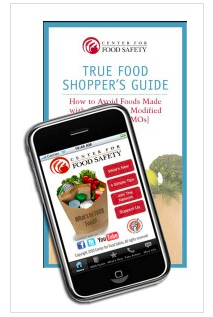
True Food Shopper’s Guide: Your Guide to Non-GMO Foods

The term genetically modified organism or GMO is sneaking into many news stories as of late. Consumers are becoming more vocal about their rights to know what is in the food they’re purchasing. Currently, the U.S. has no laws requiring companies to label their foods as a GMO. Thankfully, The Center for Food Safety has created a food guide to aid shoppers the next time they head to the store.

The True Food Shopper’s Guide is a perfect tool for those looking to navigate any grocery store and avoid purchasing the unlabeled GMOs on the shelf. GMOs are foods that have been created in a lab. In these GMO labs, genes are artificially inserted into the DNA of foods crops or animals. The resulting GMO can be engineered with genes from bacteria, viruses, insects, animals, or even humans.

When polled, the majority of Americans said they would not choose a GMO food, if it were labeled. Since we do not have the luxury of labels, unlike most other industrialized countries, knowing what our foods contain is a mystery. However, the shopper’s guide takes away the wonder and puts the right to know back in the consumer’s hands.
Read Full Post >


More Stores Stop Selling Ground Beef with Pink Slime

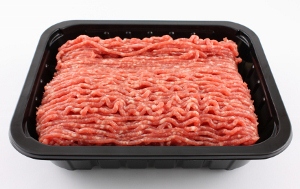
Ground beef that includes what the meat industry calls lean, finely textured beef, or pink slime, has been getting a lot of media coverage lately. Consumers have been avidly asking questions about which grocery stores sell it so that they can avoid it. As consumers continue to voice their concern, grocers are listening.

Safeway, SUPERVALU and Food Lion are the latest grocery stores to make the announcement that they will discontinue carrying ground beef that includes pink slime. Safeway released a statement saying, “While the USDA and food industry experts agree that lean, finely textured ground beef is safe and wholesome, recent news stories have caused considerable consumer concern about this product. Safeway will no longer purchase ground beef containing lean, finely textured beef.”

The list of grocers that are issuing statements regarding their ground beef and whether or not it contains pink slime is growing.

While Safeway is the second largest grocery chain in the country, SUPERVALU is the third largest chain. SUPERVALU controls various grocery stores including Albertson’s, Cub Foods, Farm Fresh, Jewel-Osco, Hornbacher’s and others. Some other heavy hitters like Walmart and Sam’s Club have also made recent announcements that they would stop selling beef that includes pink slime. The nation’s largest grocery store chain is Kroger and they currently offer beef options with and without the product.


Read Full Post >


A HowGood Rating at the Grocery Store Will Make You a More Conscious Consumer

I’d never given much thought to milk. It’s just milk after all. When my daughter turned one last year and started drinking it, suddenly milk wasn’t just milk. In my mind there was milk that I wouldn’t dare let her drink, and there was the best milk I could possibly give to her. I didn’t want her tiny body being exposed to unnecessary hormones, chemicals, or anything else that milk has been getting a bad rap for. I just wanted her to simply have a cup of the protein-rich food that would help her grow to be the big girl that she now thinks she is, on the cusp of a second birthday.

Standing at the grocery cooler inspecting the dozens of options before me, in the end I had a package and price to go off of. I had to weigh the two and make my selection. However, if I were researching my milk purchase today, I might be able to consider the product’s HowGood score. Horizon would have no “globes,” Stonyfield would have a “good” score with one globe, and Organic Valley would have a “very good” score with two globes.

You have no idea what I’m talking about, but Alexander Gillett is working really hard to change that. He and his brother, Arthur, launched HowGood four months ago. They’ve scored more than 100,000 products and awarded each of them zero to three globes. The more globes, the more sustainable the product is.

Alexander explained that with the HowGood sustainability rating displayed right on the price tag at the point of purchase people can expand their decision based on more than price and package claims. He says they’ve found that people are willing to pay a little more for a “greener” product. “The reality is a product that is sustainable costs a little bit more,” he told us.

This is why the “best milk” isn’t always going to be determined by a price or marketing. He explained that the “best milk” may cost even 15 cents more than its seemingly similar competitor, but customers are willing to pay that. “The best-rated milk product saw an increase in sales of 36 percent in one month, and continued over the next four months,” Alexander told us of actual stores sales where the HowGood label was used.
Read Full Post >


Challenge: Buy 30 Days of Groceries at Whole Foods on a Poverty-Level Budget

Have you ever pictured yourself doing a happy dance in the grocery store because you could afford oranges? No? Me neither, but that’s what happened during my 30-day challenge to feed my family of three at or near the poverty level. There were also moments of frustration and a few tears shed. Here’s how it all started …

I was roaming around a section of the USDA website where they keep track of over 8,000 families and what they spend every month for groceries. This helps them set four different budget levels: Thrifty (near the poverty level), Low, Medium, and Liberal.  Amounts are broken down by gender and age; kids and the elderly account for less money than 20-something guys, for instance. 

If you think this is a futile exercise and a waste of taxpayer money, you’d be wrong. If you’re going through a divorce, it’s likely that the courts will assess child support at the “Low” level, no matter your income. The food that our servicemen and women are served is budgeted at the Liberal level. So this monthly assessment by the government has a bigger effect than you might realize.

When I looked at the numbers, I realized my family was living at the “Low” level, but that wasn’t taking into account how often we eat out (two to three meals per week between lunches and dinner). The amount we spend does reflect us eating a lot of organic foods. Plus, we can sometimes be too wasteful; I cringe some weeks at what we throw away. It’s not just a waste of money, but a waste of resources for the planet.

Could our family live at the Thrifty level? What would it take? And what if I tried doing this while only shopping at Whole Foods, aka “Whole Paycheck”? And then what if I also threw a dinner party for eight as the very last meal?

I contacted Whole Foods and suggested a bet. If I could feed my family of three for 30 days exclusively from items purchased at Whole Foods for $491.10 they would reimburse me for my food. If I didn’t make it, they’d owe me nothing. The budget worked out to $16.31 cents per day total for all three of us. In case you’re wondering, here’s what we bought for the month.

Whole Foods said yes, my family was gung ho, and we were off on January 1st, shopping for over 90 minutes, trying to figure out what we could afford.   
Read Full Post >


5 Tips to Coupon Smart and Save on Healthy Meals

Most everyone can agree that they want to eat healthy. Of course, there are exceptions to this but, in general, it can be assumed that eating healthy and feeling great are goals most people have for themselves. Yet, purchasing healthy foods isn’t always the cheapest. In fact, if you aren’t careful, you can end up spending a lot of money on health foods that either go bad before you get a chance to eat them, or later find that you don’t enjoy them at all and end up being unable to finish them.

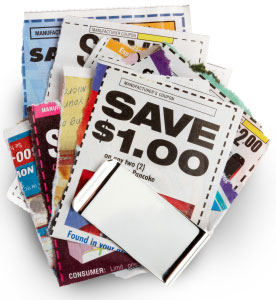
Luckily, there are many ways to save a buck in the grocery store. In fact, money saving has almost become its own sport in America with couponing becoming more popular year after year. In fact, US consumers have redeemed 3.5 billion in coupons and saved approximately 4.6 billion in 2011 alone. This is a 12% increase since 2010; however, are these savings helping people eat their best or just save money?

Although couponing and eating healthy may seem like two totally separate topics, they actually work very well together. Of course, you have to know how to best use your coupons and be able to identify what foods are worth the savings.


Read Full Post >