





Put down that PB&J on white bread and listen to this: In a just-released landmark study, researchers at Tel Aviv University’s Sackler School of Medicine and the Heart Institute of Sheba Medical Center found that high carbohydrate foods can be extremely dangerous to the health of your heart. Implicated foods include the “bad” carbs like white bread, sugary cereals, cookies and cakes.
While this isn’t exactly new news, this important study provides a direct reason why these high glycemic foods wreak havoc on the heart and increase risk of heart disease. The researchers showed that after you eat a carb-laden food like a bowl of corn flakes or a Twinkie, your brachial arteries become distended, or swollen, for several hours. While it’s important for the arteries to have a certain amount of elasticity in them, over time, a sudden expansion of the arteries, which follows after noshing on a carb-filled snack, can cause a number of negative health effects, including reduced elasticity, which can cause heart disease or sudden death.

Kellogg’s won’t be too happy to hear about this study: it suggests that a diet rich in carbohydrates that boost blood sugar levels, such as cornflakes or white bread, may hamper the function of blood vessels, therefore raising your risk of developing cardiovascular disease.
Researchers from Israel’s Chaim Sheba Medical Center and elsewhere evaluated 56 overweight or obese men and women, between 35 and 60. Other than their weight, they were healthy. None of them had diabetes or a history of cardiovascular disease.
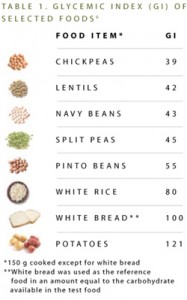
They were fed foods that spanned the scale of the glycemic index, which relates to how a food affects your blood sugar levels. The higher the food is in the index, the more your blood sugar is spiked.

The popular meal delivery diet program NutriSystem has introduced another program to its family of products; NutriSystem D will cater exclusively to the needs of diabetics. 
While NutriSystem has previously provided diabetic-friendly meals under its other programs, like the “for women” or “for men,” this newest program won’t require any menu modifications. Diabetics can simply order from the NutriSystem D menu and trust that the meals will meet their unique dietary requirements.
Those using NutriSystem D aren’t likely to be bored with their menu choices, as there are more than 150 “restaurant-quality” meals, all of which are low on the Glycemic Index and offer “good carbs and fiber” to keep dieters feeling full longer. Meal choices might include Decadent Fudge Brownie, Cheesy Margherita Pizza or Golden Pancakes.

This week, we can’t stop munching and crunching on blue corn tortilla chips! These snack-friendly chips are not just your ordinary tortilla chips. Not only are they more colorful, but they pack 20% more protein than a white or yellow corn tortilla and they score lower on the glycemic index than their paler counterparts since they only contain about 68% starch (white contains 75%).
Just in case you were wondering, according to WebMD, the blue color comes from the antioxidant anthocyanin in the corn, which are the same compounds found in berries and red wine.
Our favorite picks are Garden of Eatin’ and the Guiltless Gourmet, which make a low-fat baked kind as well.
Next time you’re scooping some salsa, up the nutritional content and yum-factor and grab a bag of blues!
The Glycemic index was developed as a means of ranking carbohydrates (or carb-containing foods) based on their effect on blood sugar level. Foods with a high glycemic index value tend to raise blood sugar levels faster and higher compared to foods with a lower glycemic index. Rapid increases in blood glucose are potent signals to the beta-cells of the pancreas to increase insulin secretion. Over the next few hours, the high insulin levels induced by consumption of high-glycemic index foods may cause a sharp decrease in blood glucose levels (hypoglycemia).
In contrast, the consumption of low-glycemic index foods results in lower, but more sustained, increases in blood glucose and lower insulin demands on pancreatic beta-cells. However, this does not necessarily mean that a low-index food is healthier than a high-index food.
