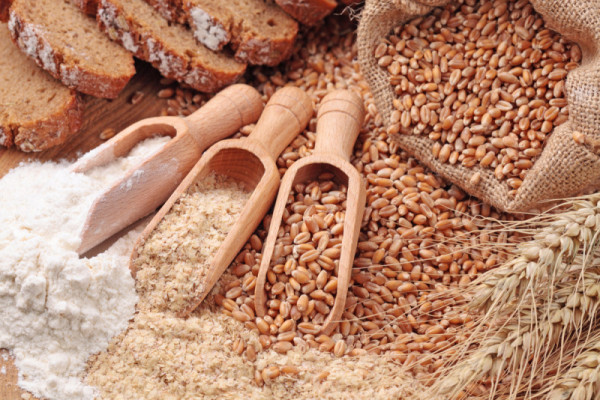



Celiac disease is an autoimmune disorder that affects the small intestine in people of all ages. Depending on the severity of the reaction to the disease symptoms can include fatigue, diarrhea, and the inability to absorb nutrients. Celiac disease, also referred to as being gluten-intolerant, refers to an intolerance to gluten, a protein found in wheat, bulgur, couscous, barley, spelt and rye, to name a few. Gluten is not strictly in grains and can also be found in everyday products like toothpaste, ice cream and even ketchup. Worldwide, Celiac disease occurs in almost 1 percent of the human population, so for all of you sufferers out there you are not alone, and thankfully there are many resources to help you.

The week of September 20 is Autism Awareness Week at DietsInReview.com.

Janice Wright's son's favorite food: Oyster cracker & cream cheese
Guest blogger Janice Ellen Wright blogs about her experiences with her son’s school program for students with high-functioning autism and how this experience got her sent to the principal’s office for the first time in her life. Feel free to search for controversy at Autism and Public Schools.
When my son was about four-years old, and struggling with Pervasive Developmental Disorder (PDD), a behavioral disorder of autism, I bought a book titled Unraveling the Mystery of Autism and Pervasive Developmental Disorder: A Mother’s Story of Research and Recovery, by Karyn Seroussi.
I had no idea what the GFCF diet was, nor did I want to know. But Seroussi was such a thoughtful writer, I kept on reading. When she wrote something like, “How can you not try removing dairy, for your child’s sake?” I knew I had to try.

The week of September 20 is Autism Awareness Week at DietsInReview.com.
Guest Blogger Karianna writes at The Karianna Spectrum. Her oldest son was diagnosed with PDD-nos when he was in pre-school.
Food is sustenance, but it also has sensory and social components. All three of these come into play for individuals on the autistic spectrum.
Many kids with autism are affected by food in ways that neurotypical children are not. My son is on the Feingold Program, a diet that avoids certain salicylates and petroleum-based additives. Other children have found success with gluten-free/ casein-free diets, particularly when they also have celiac disease. Some autistic kids might have lots of food sensitivities, while others may have none.
Even without a specific food concern, kids on the spectrum typically have more pronounced reactions to food, so eating healthfully is even more crucial than for a typical kid who might be “off” after lots of junk food or without a well-rounded diet.

Last week, I posted an article on a few menu options at Hardee’s that were - um, how should we say - less than healthy? (See the Fried Bologna Biscuit for yourself.) So in order to give this fast-food chain a fair shake, we took a closer look at their alternative menu, which is touted as being healthier and able to meet the specific dietary needs of its customers.
Rather than creating a menu of low-cal fast-food options, Hardee’s instead takes its traditional menu of burgers and sandwiches and gives you the option to reduce carbs, lower the fat, eliminate the gluten, trim the calories or lose the meat for a vegetarian option.
But is this alternative menu all that healthy? At closer inspection, it resembles a sneaky marketing ploy that slaps on catchy healthy lingo to high-fat and high-calorie fast-food eats.

It used to be that the only thing you could eat at the ballpark were hot dogs, caramel corn, peanuts and beer. But as service industries try in earnest to appeal to the health and eating patterns of the American culture, even the great American pastime is listening and acting.
Just this past week, Coors Field, home of the Colorado Rockies, joined forces with ARAMARK, the exclusive food and beverage provider, to create a gluten-free concession stand. Filled with items like hot dogs, hamburgers, chicken sandwiches, chips, cookies, soda and even beer, each item is free of the allergy-provoking protein. Coors Field’s gluten-free stand is the first of its kind amongst all Major League Baseball stadiums.
