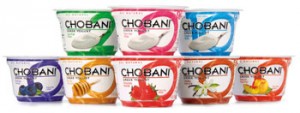
Americans have found a new yogurt. According the to the numbers, Greek yogurt sales are dominating the market and look to continue that pattern.
Currently, Greek yogurt accounts for a quarter of the total U.S. yogurt market. The top two national Greek yogurt companies are Chobani and Fage, and each company is currently expanding their plants to meet the demands. Chobani produces an astounding 1.5 million cases of the thick yogurt every week. Consumers are foregoing the
thinner, sometimes watery, version of yogurt for the thick creamy blends of Greek yogurt. Greek yogurt unique texture is achieved by straining off the whey, leaving a creamier yogurt with nearly twice the amount of protein of a traditional.
Many foods have been issued fad status and some of the rapid growth of Greek yogurt may be attributed to that. However, there’s a strong industry belief that Greek yogurt is here to stay. Its rapid rise to fame may speak to its predicted longevity.
In 2005, Hamdi Ulukaya bought an old Kraft Foods plant in New York state. He planned to make the type of yogurt that was common to his home country of Turkey. He didn’t feel the current yogurt in stores was being made right so Ulukaya and his company Agro-Farma began producing yogurt for companies like Stonyfield Farms and eventually, his current company, Chobani, was launched in 2007.
Read Full Post >
A group of major food companies, including General Mills, ConAgra Foods and Kellogg, have announced that they will be voluntarily setting new advertising standards in order to cut back on marketing unhealthy foods to children. This comes after rejecting similar guidelines proposed by the federal government.
Under these new self-imposed standards, the food companies can still market their products to children, but only if they meet specific nutritional criteria. If they still want to market to children, some foods may have to make their ingredients more healthful.
“Now foods from different companies, such as cereals or canned pastas, will meet the same nutrition criteria, rather than similar but slightly different company-specific criteria,” said Elaine Kolish of the Children’s Food and Beverage Advertising Initiative, a group formed by the food industry.
Read Full Post >
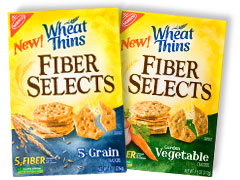
It’s breakfast time and you want to start your day off right with a healthy and nutritious meal that doesn’t take long to make. You open your pantry and grab the Fiber One Original cereal. Then for lunch time, you are away from home so you run to McDonald’s and get their Premium Southwest Salad with Grilled Chicken. Around 3:00, you need a snack so you snack on some Wheat Thins Fiber Selects. Then for dinner, you have some spaghetti and meatballs from Pizza Hut.
What do all of these foods have in common? They all contain wood cellulose, which means that you are eating wood. Many companies, including those listed above, use wood cellulose in their foods all the time, and therefore, you are eating wood on a fairly regular basis. It is shocking to realize that many of the foods we eat when we are trying to make healthier options are so processed that they really are not as healthy as we may have thought.
Read Full Post >
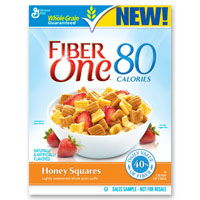
Like any other child-at-heart, I love cereal. Whether it be a small bowl with breakfast or an afternoon handful, I simply can’t get enough. Cereal can be a good source of nutrients but it can also be an even better source of excess sugar (among other things.) While some cereals are falling to the wayside in a quest to introduce healthier foods to the masses, Fiber One has created a new option for cereal-lovers.
According to the nutrition panel, each ¾ cup serving of the Fiber One 80 Calories Honey Squares contains only 140 mg of sodium and a whopping 10 g of dietary fiber- that’s 40 percent of your recommended daily value! The ingredient list boasts whole grain corn as the number one ingredient but it also contains sucralose, which is fine in moderation although I personally prefer a natural sweetener.
It tasted great as a morning meal and I tried it with both vanilla almond milk and regular skim milk on different occasions. The texture was light and crunchy and it was very filling. I also tried it on top of a yogurt parfait and it added just the right touch of crunch without the amount of sugar that’s in the granola I usually splurge on.
Read Full Post >
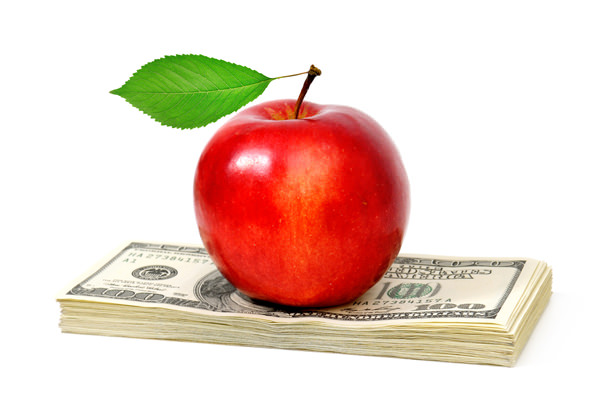
If you have been to the supermarket lately, you might have noticed that the prices of your favorite groceries have increased a little bit. The price of almost everything from fresh veggies to bread to milk is increasing. Hershey has even recently announced that they will be increasing the prices of all of their goods by 10 percent.
By increasing their prices, some companies worry that these straightforward price hikes will result in consumers buying less of each product or choosing cheaper alternatives, such as store-brand cereal instead of General Mills. The answer to this dilemma for the food companies? Decrease the amount of food in the packages but keep the prices the same- and, sadly for consumers, the food companies have no obligation to the consumers to tell them about this reduction.
So how much of a reduction are we talking about? The largest reduction from our list will go to Reese’s peanut butter cups, who will reduce their chocolate-peanut-butter goodness by 37 percent, or 0.1 ounces. Chicken of the Sea Tuna will be reduced by 1 ounce, or 17 percent of its total weight. Heinz Ketchup will also take four ounces of their standard bottles, reducing the bottles by 11 percent. However, it’s not only food products; non-food products are also taking a hit. Bounty paper towels will be reduced by 10 sheets, or 7.2 percent. Toilet paper and moist towelettes are also likely to be reduced in the near future, if not already.
Read Full Post >