Diets in Review - Find the Right Diet for You

gardening


Hey Kalso Earth Shoes! We’d Like to Plant Veggie Gardens at Carpenter Place this Earth Day

Here at DietsInReview.com, we pride ourselves on being a fairly conscientious bunch. Recycling is second nature, supporting our local community through CSA and farmers market purchases is a no-brainer, Meatless Monday is always on the calendar, buying organic whenever possible simply makes sense, and being an active part of the communities in which we live is something we truly enjoy. We do yoga, we bike to work, we run full and half marathons, and complete bi- and triathlons. We really do walk our talk!

When we learned about the Kalsø Earth Shoes “Project Earth Day” scholarships, our interest was immediately piqued and we knew we were a perfect fit for the $1,000 prize they’re offering. They said, “3 online bloggers will have the opportunity to carry the spirit of the company’s annual service day into their own local communities. All you need to do is create your own Earth Day-related service project plan.”

Before we’d finished reading the information we knew exactly what we wanted to do – build a vegetable garden at Carpenter Place in Wichita, KS, where our editorial team is based. In the past few months, this incredible organization has remade itself and we want to be a part of that by making fresh fruits, vegetables, and herbs readily available. As in, right out their back door.

From CarpenterPlace.org, “Carpenter Place provides residential treatment for girls in crisis ages 6 – 21 in Wichita, KS. A faith-based agency affiliated with churches of Christ, services are provided in a family setting in four group homes on a 13-acre campus.” These young women come from a variety of backgrounds, and each one of them in dire need of setting their feet firmly in the right direction. Often, within days or even a week or two of arriving at Carpenter Place, they are completing GEDs, learning to drive, interviewing for jobs, and even considering running half marathons.

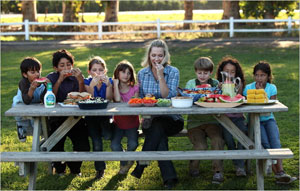
In January, I was invited to prepare a healthy homemade dinner for the young women who live in the private residences (which are furnished through donations of used furniture – a valuable way to recycle). Over chicken and black bean enchiladas with fresh guacamole (my specialty!), they learned how easy homemade meals can be, I learned how hard each one of them is working to put their lives on track. House parent Jennifer White passionately shares these girls’ successes through social media and makes all of us fall in love with them and support them.

As Carpenter Place is a privately funded, non-profit 501(c)(3) entity, money is tight, like it is for most non-profits. They often receive food donations and have to make grocery budgets stretch across multiple live-in residents (they can house up to 25 young women). Having their own supply of fruits and vegetables right out their backdoor would open up their grocery budget to buy other healthful and nutritious foods these girls need to heal their minds and bodies from the inside out.
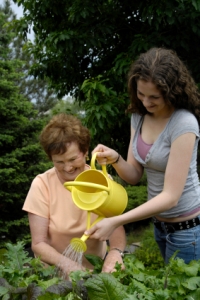
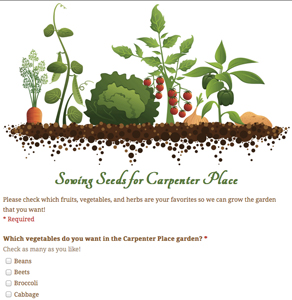
During the creation of our fruit and vegetable garden, which we could do on Earth Day 2012 (April 20), we’ll have lively conversation about the benefits that even two or three small beds can provide for the consumers, as well as the impact it will have on the environment. We’ll also be giving these young women first-hand experience so that they can grow their own garden when they graduate to living on their own.

Our early plan is to create two or three raised bed gardens with a large variety of fruits and vegetables, and even herbs. Budget permitting, we’d like to set them up to compost as well, and reduce the amount of food waste and create rich soil so that the gardens can live on.

We hope Kalsø Earth Shoes will consider our application for one of the Earth Day scholarships, and allow us to plant seeds of hope, change, health, and veggies at Carpenter Place.


Beginner’s Guide to Container Gardening for Healthy Veggies

by Rachel Berman RD, Director of Nutrition, CalorieCount.com

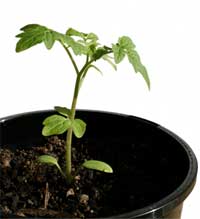
Growing your own food sounds very overwhelming but you can do it easily with very little space, even in an urban environment. March is also the perfect time to start preparing your own garden to grow plants and herbs for the spring and summer months ahead. As if you need reasons why, it ensures you have fresh produce on hand, is a great way to teach your children about eating healthy, can help you save money, plus studies show that gardening relieves stress! From an environmental standpoint, you can help decrease pollution by growing without the use of pesticides and reduce the need for trucks that transport food all over the country. Finally, what could taste more delicious than a plant that you grow and pluck at its peak of ripeness just steps away from your kitchen door?

Contain your garden

Many people in urban environments do not have a backyard let alone a square foot of land to grow plants. By practicing container gardening’, basically growing in any sort of container that can hold soil, plants and drain water, you can bring your garden to a patio, or even indoors as long as there is plenty of sunshine. Check out this comprehensive guide to how to get started with container gardening and what fruits, vegetables, and herbs are easiest to grow.

Read Full Post >


CSA vs Farmers Market: Which is Right for You?

Years ago, people went to one market or general store to pick up all of the groceries and household items on their shopping list. Today, we have a variety of choices when it comes to purchasing food and beverages, from super stores and warehouse clubs to farmers markets and joining a CSA in your community.

CSAs and farmers markets are similar in that both offer local, homegrown produce to customers at prices that are often much cheaper than at the grocery store, however they can differ in price, convenience and quality depending on where your food was grown. Regardless of whether you shop at a market or join a CSA, you are receiving fresher, higher-quality produce because it hasn’t been treated with the chemicals or preservatives necessary to mass-distribute and ship it around the world.

What is a CSA?

CSA, or community-supported agriculture, is a program that lets you purchase “shares” from a farm in exchange for a weekly delivery of fruits, vegetables and other farm products like milk, eggs and dairy.


Read Full Post >


Grow Your Own Spring Salad on Regis and Kelly

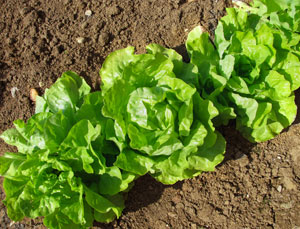
lettuce in a garden bedTune in Friday morning on April 15 to Live with Regis & Kelly for the first of a two-part segment on how to grow your own spring salad. Matthew Benson, a contributing editor at Organic Gardening magazine, will show you everything you need to know about starting your own organic garden. He will discuss fertilizers, planting seeds and protecting them from unexpected frost. Plus, Benson will discuss cool weather vegetables that you can take pride in serving as part of a home-grown salad.

This segment combines two of my passions: sustainable food and healthy eating. Not only are organic vegetables good for your health, they’re also good for the planet’s health. Check your local listings for exact show times.

Organic Gardening magazine is a valuable resource to gardening enthusiasts who are interested in cultivating their own food.

Subscribe to Organic Gardening here.


How to Eat Locally

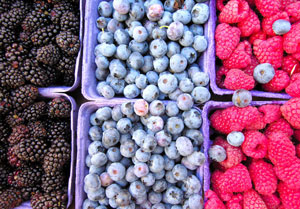
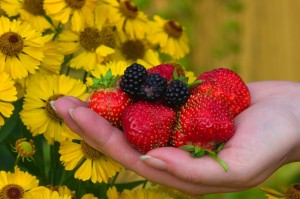
BerriesWhile much attention is paid to the environmental benefits of organic produce, the local food movement is starting to also make real headway. No matter how your food is grown, if it’s shipped from across the U.S. or even from another country, that’s a long way for your food to travel.

Locally grown foods are fresher because they don’t have to be picked before they’re ripe for shipping, and are less likely to be subjected to different means of preserving freshness. Many fruits and vegetables must stay in refrigerated trucks, which increases the amount of energy the trucks consume.

While there are some extreme locavores out there, introducing more local food into your diet isn’t as hard as it seems. Plus, eating locally puts more emphasis on eating fresh, non-processed foods that will benefit anyone trying to lose weight. When you eat locally, you’re also supporting the local economy. Here are a few simple ways to eat local.


Read Full Post >