

By Michelle Schoffro Cook for Care2.com
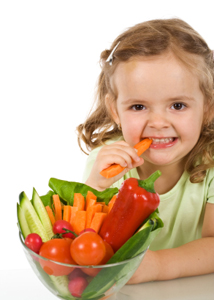
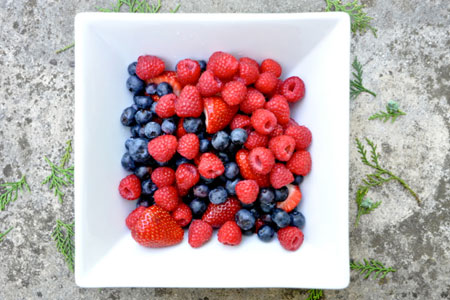
When it comes to cleansing your body of harmful toxins, food really is the best medicine. You’ll be amazed to learn that many of your favorite foods also cleanse the body’s detoxification organs like the liver, intestines, kidneys, and skin, preventing harmful toxic buildup. Help ward off the harmful effects of pollution, food additives, second-hand smoke, and other toxins with delicious fruits, vegetables, nuts, oils, and beans.
Apples. Because apples are high in pectin, a type of fiber that binds to cholesterol and heavy metals in the body, they help eliminate toxic build up and to cleanse the intestines.
Avocados. We rarely think of avocados as a cleansing food but these nutritional powerhouses lower cholesterol and dilate blood vessels while blocking artery-destroying toxicity. Avocados contain a nutrient called glutathione, which blocks at least thirty different carcinogens while helping the liver detoxify synthetic chemicals.
Read Full Post >
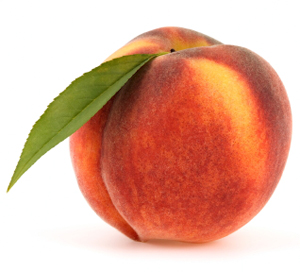
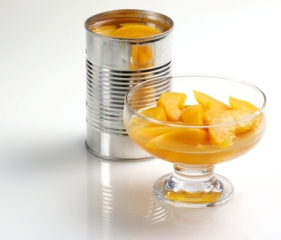
With National Peach Month upon us, there are a lot of tempting fresh peach recipes to make with seasonal stone fruit. If you live in a part of the country where fresh peaches are unavailable, it’s still possible to celebrate peaches during the month of August with the canned and frozen fruits in your grocery store.
According to Alison Lewis, nutritionist and founder of Ingredients, Inc., canned fruits are comparable to fresh and frozen fruit when looking at nutritional values.
The Pros
“Eating canned peaches can be healthy,” said Lewis, “Canned peaches sometimes retain more nutrients than fresh because they are picked fully ripe and then processed right away. Fresh fruit may be picked before they are ripe and may travel long distances and suffer improper storage conditions which means nutrients may be destroyed along the way.”
Read Full Post >
If you’re thinking of starting a juice regimen, it’s important to make informed decisions about your new diet. If you’re planning on replacing your meals with juice, you should first check with a doctor or health care provider to ensure that your new regimen is safe for your body.
However, if you are thinking about adding juice to your existing diet to up your fruit and vegetable intake, we have some tips to help you get started.
Know the importance of buying organic. According to Cherie Calbom, MS, author of The Juice Lady’s Turbo Diet and Juicing for Life, it’s very important to know what vegetables and fruit are the most heavily sprayed and which ones are the cleanest. “Not everything has to be organic, but the most heavily sprayed produce should always be organic,” said Calbom. “Otherwise, it may not be safe to use. Familiarize yourself with the most heavily sprayed produce, known as the ‘dirty dozen’ and shop accordingly.”
Read Full Post >
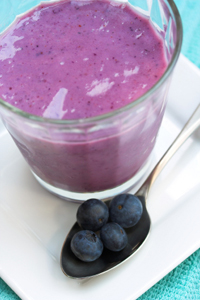
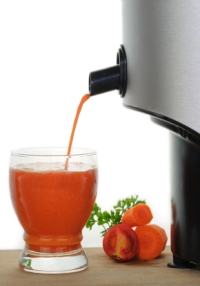
Fresh fruit and vegetable juicing is certainly not a new idea for the raw foods community, however it is growing in popularity as a mainstream method for weight loss and detoxification.
Unlike conventional juices that are often processed with a lot of added sugar, fresh juicing involves creating nutrient-rich juices out of your favorite fruits and vegetables.
“Before you begin any juice regiment, it’s important to understand why juice is important for your health,” said Cherie Calbom, MS, author of The Juice Lady’s Turbo Diet and Juicing for Life. “When you understand the many health benefits of fresh juice, you’ll be much more inclined to take the time to make fresh juice.”
Read Full Post >
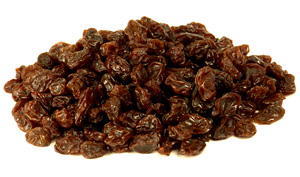
Raisins seem like a pretty innocent food. They don’t contain added sugars, artificial preservatives or unnatural food colorings. But should they be considered as good as grapes?
According to the 2010 Report of the Dietary Guidelines Advisory Committee, 75 percent of Americans (including men, women and children ages nine to 18) do not eat enough fruit on a daily basis. According to data from the Japanese research group Nippon Data 80/90, this statistic looks no better in twenty other first-world nations. The International Nut and Dried Fruit Council has put forward a paper titled “Valuable Tools to Meet Dietary Recommendations for Fruit Intake,” which suggests that dried fruit is “nutritionally equivalent” to fresh, and should be treated as such in government dietary recommendations and guidelines around the world.
On one hand, this paper is a lobbying tool, putting science and statistics at the hands of marketers to promote a product. On the other hand, it proposes a seemingly reasonable solution for over-fed yet malnourished populations. In fact, MyPlate materials already suggests that dried fruits, such as raisins, be considered for healthy snack.
Read Full Post >