

February is American Heart Month. It’s a time to bring awareness to heart disease and stroke, the number one killer in the United States, so you and the people you love don’t become a statistic. This month is particularly personal for me, as my mom has heart disease. She had quadruple bypass surgery one year ago this month. If you know someone who would benefit from this information on preventing heart disease, please share it.
Five Foods That Will Save Your Heart
One way to prevent heart disease is to eat healthy. In this post, I’ll highlight five different foods that can save your heart – literally. These are not the only five foods that protect your heart, but they stand out as star performers in my book.
1. Garlic: Known as “the stinking rose,” this herb does not stink when it comes to heart health. Numerous studies have demonstrated potential benefits of regular garlic consumption on blood pressure, platelet aggregation, serum triglyceride level, and cholesterol levels – all of which keep your ticker ticking. The other thing I like about garlic is that it can be used to season food so you can cut back (way back) on the salt.
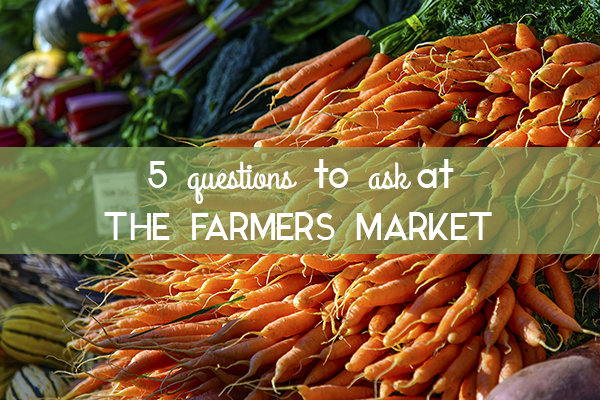
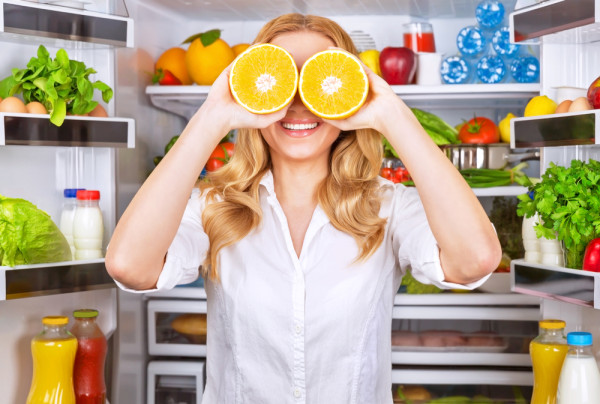
Eat your fruits and veggies. It’s the most stated fact of healthy living. Unfortunately, it’s falling on deaf ears.
Fruits and vegetables are the backbone of a healthy diet. They are almost always low in fat and calories, and packed with vitamins, minerals, fiber, antioxidants, and so much more. And oh, there’s no cholesterol.
But, according to the 2009 State Indicator Report on Fruits and Vegetables, only 14 percent of American adults are eating the recommended daily servings of fruits and vegetables. The government study says that even less (10 percent) of high school students are getting enough fruits and vegetables.
The report is meant to shine a light on a campaign to get at least 75 percent of Americans to eat two or more daily servings of fruit, and for at least 50 percent to consume three or more daily servings of vegetables.
Experts recommend eating a low-fat diet to manage diabetes. But, evidence shows that a Mediterranean diet may be even better in helping people with type 2 diabetes keep it under control without drugs.
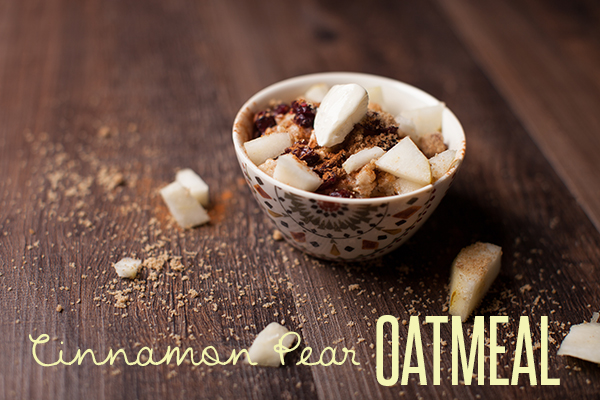
A Mediterranean diet is rich in vegetables and whole grains. In a new Italian study the subjects ate the Mediterranean way, with 30 percent of their calories from fat (mostly olive oil). They were better able to manage their disease without diabetes medications than those people who ate a low-fat diet with no more than 30 percent of calories from fat (with less than 10 percent coming from saturated fat choices).
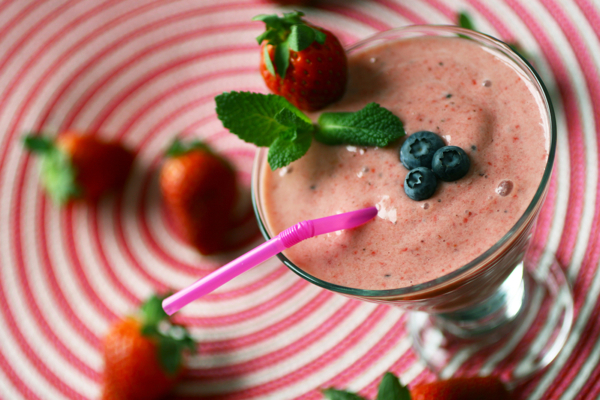
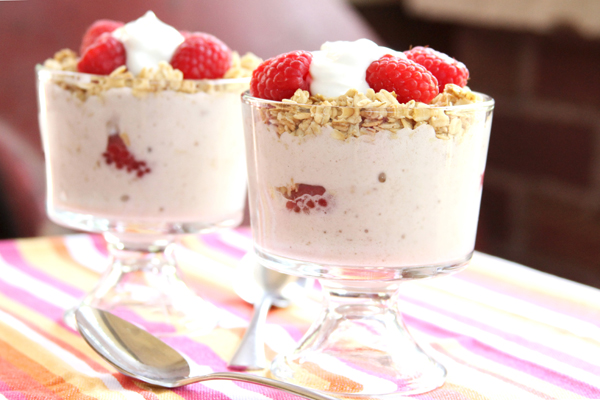
Making your own smoothie is easy and you can create some delicious fruit combinations. Why not take a minute to whip up your own delicious and nutritious fruit smoothie? Watch this video to see my tips and tricks – why not grab a blender and join me?
This week Starbucks launched a whole line of new foods and beverages all inspired by customer ideas submitted at My Starbucks Idea. Customers have been clamoring for healthier food choices on the website and Starbucks has delivered with a new line of healthy smoothies (a personal star from me because I have not been able to find a commercial smoothie comparable to something I could make at home), new 300-calorie salads, and healthier breakfast baked goods. They also reformulated their products to adhere to guidelines customers suggested. In my opinion, Starbucks has taken their healthy approach to food to a whole new level. Most of their foods and beverages are under 500 calories. They have made company-wide improvements in the quality of their foods by listening to their customers ideas. That’s setting a standard for the industry.