
Diets in Review - Find the Right Diet for You

food labels


USDA Announces New Bio-Based Product Label

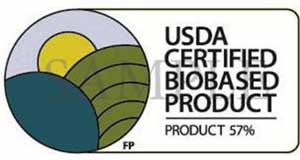
Sample Eco labelAmong the many products clamoring to get attention for their “green” credentials, real or purported, it can be difficult to tell which items are genuinely eco-friendly from the green-washed impostors. To help discerning  consumers, the U.S. Department of Agriculture’s BioPreferred program announced yesterday that they will be offering a new, voluntary seal for bio-based products.

Similar to the USDA Organic label and the Energy Star seal, the new “USDA Certified Biobased Product” seal aims to steer consumers towards products that are made from renewable resources. “Today’s consumers are increasingly interested in making educated purchasing choices for their families,” said Agriculture Deputy Secretary Kathleen Merrigan in a press release. “This label will make those decisions easier by identifying products as biobased. These products have enormous potential to create green jobs in rural communities, add value to agricultural commodities, decrease environmental impacts, and reduce our dependence on imported oil.”


Read Full Post >


Meat and Poultry to Have Nutrition Labels by 2012

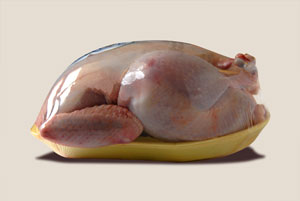
uncooked chickenThe USDA announced Wednesday that nutrition labels will be required on 40 cuts of raw meat and poultry. The measure will go into effect on January 1, 2012. It’s designed to help Americans make informed nutritional choices about the most popular cuts of meat, like brisket, tenderloin steak, boneless chicken breast and ground turkey.

“More and more, busy American families want nutrition information that they can quickly and easily understand,” said Agriculture Secretary Tom Vilsack. “We need to do all we can to provide nutrition labels that will help consumers make informed decisions.”


Read Full Post >


What the Labels on Your Meat Really Mean

When it comes to the meat and poultry aisle in the grocery store, how much do consumers really know? Words like “mechanically separated” and “all-natural” can be convoluted, so we talked to some of the experts at Coleman Natural Meats to decode some of the most confusing labels that we see on meat packaging today.

Certified Organic: While organic food arguably offers some health benefits that conventionally prepared foods do not, an organic designation is not one-size-fits-all. In the US, any item that was made entirely with certified organic ingredients can be labeled “100% organic.” Products that contain 95% organic ingredients can use the word “organic” on their labels.  Any products that contain 70% organic ingredients, can be labeled “made with organic ingredients.”


Read Full Post >


Misleading Health Food Claims Confuse Consumers

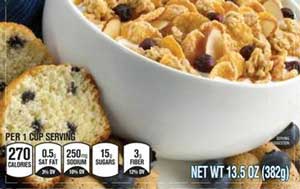
Don’t you like it when you see, say, a candy product that is labeled “50 percent less fat”? First… 50 percent less than what? Second, it’s candy!

Over the years, as certain dietary concerns became the latest trends (think low-fat, low-carb, etc.), food manufacturers have tried to keep up the best they can while still selling a palatable food product. Maybe the best example is after the low-carb craze really took hold. While it’s died down a little, and research has come out to show that whole grains are a necessary part of a healthy diet, people are still carb-conscious.

Food manufacturers do a dance of deception around the labeling regulations, usually staying within the law, but still doing a good job of misleading consumers.
Read Full Post >


Kroger Makes Healthy Shopping Easy as 1-2-3

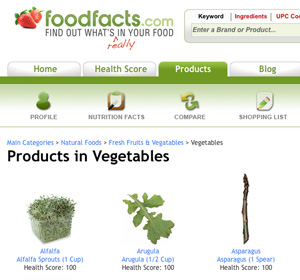
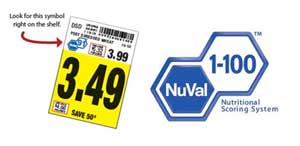
NuVal in KrogerThe nation’s largest supermarket chain, Kroger, has rolled out the NuVal nutrition scoring system to 23 Lexington, Kentucky stores to help shoppers make healthier food choices. The scoring system gives each food a score, from 1 to 100. Foods with high scores are more nutritious, foods with low scores are less. Shoppers also have the added confidence that the ranking system is provided by a third party, not food or beverage producers. NuVal was developed by nutrition and medical experts from top health organizations and universities.

Perhaps the most surprising part of the NuVal scores is how poorly some of the “health” foods ranked against regular snacks. For example, Garden of Eatin’ no salt added blue corn chips actually score better than an Odwalla Fruit smoothie: the chips earn a score of 52 while the smoothie gets a 49.  Fresh fruits and vegetables get scores near to 100.


Read Full Post >