

RSS Diets in Review - Find the Right Diet for You
module top

Posts Tagged ‘food labels’

New FDA Regulation Helps Consumers Avoid Food Poisoning

It seems like every six months or so we get a new food poisoning/contamination scare. Bird flu, e.coli, salmonella, the list of invisible invaders is long. What can you do to keep your family safe and healthy?

In an effort to soothe our fears, new regulations are being put into place that will require identifying a food’s country of origin via labels. It’s an attempt to keep consumers informed. If you know about an outbreak originating from a certain country, it will be much easier to avoid those foods.

“It’s vitally important to ensure that products coming in from other countries as well as ones growing here are quickly identified in an outbreak,” says Caroline Smith DeWaal, Director of Food and Safety Center for Science in the Public Interest.

In big business, Newton’s famous law of physics applies. That is, for every action there is an equal and opposite reaction. So with this push, comes a push back from the food industry.

“The industry has fought labeling tooth and nail because if you have labeling… people could decide whether they wanted to eat this food or not,” says Michael Pollan, author of In Defense of Food.

For more on the subject, check out the ABC News website.

FDA to Take a Close Look at Food Labels; ‘May Contain’ Labels Don’t Do Enough to Protect People With Allergies

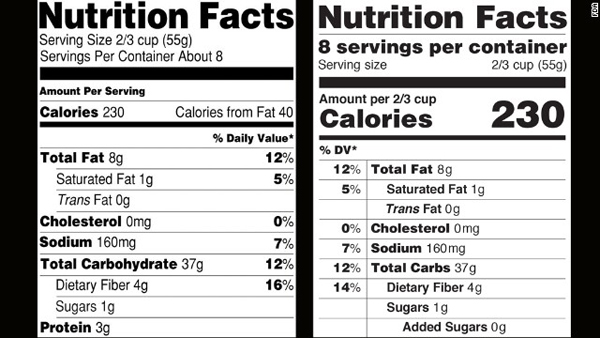
A food allergy is an immune system response to a food that the body mistakenly believes is harmful. Although someone could be allergic to any food, such as fruits, veggies, and meats, there are eight foods that account for 90% of all food-allergic reactions, including egg, peanut, tree nut (walnut, etc.), fish, shellfish, soy, and wheat. Food allergies are very common, effecting more than 12 million Americans, and have a wide range in severity, from a simple rash breakout to death. When grocery shopping, people with food allergies do their best to carefully read food labels to avoid a possible adverse reaction. However, many people feel the labels reading ‘may contain’ instead of clearly stating specifically what is in the product leaves to much room for a potential reaction.


module bottom
module top
module bottom
module top
module bottom

 
ss_blog_claim=eaeed692cf5e1d8dd49f5556219bc364