


A food-labeling campaign began last year called Smart Choices, backed by most of the largest food manufacturers in the U.S., was “designed to help shoppers easily identify smarter food and beverage choices.” This included the campaign’s “check mark of approval” on food packages.
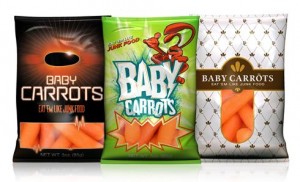
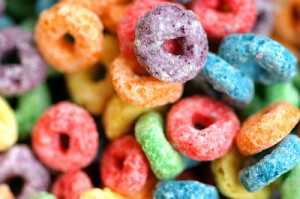
The problem is, some of the food held up as “healthy choices” include sugary cereals like Fruit Loops and frozen fried dinners.
But there’s an effort afoot among government agencies to create tougher advertising standards for what foods can be marketed to kids. Last year, Congress ordered the Federal Trade Commission, the Food and Drug Administration, the Agriculture Department and the Centers for Disease Control and Prevention to recommend standards for children’s food advertising.
Many times when I was asked why I became a vegetarian, or pescatarian (vegetarian who eats fish), my answer was twofold. One of the first reasons was due to the treatment of animals, which in a recent film I watched were actually termed “animal cities” and that term was not meant as one of endearment. The quality of life our animals have, from cows to chickens to pigs, is horrendous. Whether being kept in pens or tight quarters where slight movements are difficult or never seeing sunlight, I could not fathom taking part in allowing this to continue so I stopped giving those stock yards and farmers my money. Read Full Post >
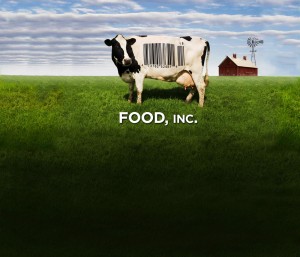
In the past few years, we have seen a rise in the number of films and documentaries highlighting how our current food industrial practices are not just taking years off our lives but perhaps off the planet’s also. Films like Fast Food Nation, Fresh, and Food Inc., are just a few recent notables in what appears to be a growing trend among filmmakers, activists, scientists, journalists and farmers to urge Westerners to become more mindful about our food choices and more proactive in demanding safer and healthier food.
The new film by British filmmakers, PLANEAT: How to Feed a Planet, is an eye-opening look into how our love of meat and dairy is taking its toll on our health, environment and the planet.
I thought travel season was pretty much over, now that school is back in session, but as we drove behind school buses on our way to the airport this morning, the friend who is driving my car home said that he was taking three other friends to the airport this week. My friends that travel for business seem to be booked for weeks. Even those with children in school have Labor Day weekend, fall break, and Thanksgiving for which they can plan. As I write this from above 10,000 feet, I thought it would be a great time to share some healthy airline travel tips.
Walk instead of taking the moving sidewalk. Or for a really great workout, cut your time short and sprint to your gate with all your luggage. Trust me, that is a workout!
Pack your own healthy snacks and pass on the salted peanuts and spiced cookies. A small baggie of trail mix can easily fit in a carry on. The airline will provide water (or coffee if you had to get up as early as I did). Do not give in to the bright colors and temptations of McDonald’s, Cinnabon, or Starbucks at every gate. Read Full Post >
In a June blog article written by Heather Ashare, our Yoga expert and daily contributor to DietsinReview.com, she wrote about Food Inc., a film that took a hard look at food production and consumption in the U.S. I wanted to share some interesting facts I learned from seeing the movie in no particular order, but all equally astounding to me:
On average our food travels 1,500 miles from the farm to our plate
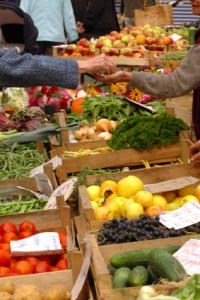
Because of the long distances that food travels, we no longer eat with the seasons and therefore eat produce that does not provide our bodies with all their nutritional benefits
Grocery stores now boast over 47,000 products to choose from – most of which can sit on shelves for weeks or even months Read Full Post >