



Diets in Review - Find the Right Diet for You

food additives


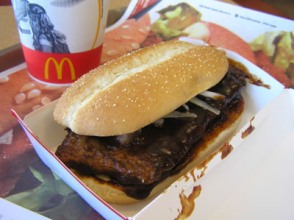
What Do a McRib and Your Yoga Mat Have in Common?

These two items seem as far removed as the people who eat the sandwich and those who actually use a yoga mat, but they share something in common that is wildly alarming and worth having a look.

Azodicarbonamide, ammonium sulfate and polysorbate 80 are just three of the 70 ingredients that make up the famed McDonald’s BBQ McRib pork sandwich. Even though these nasty ingredients are in small enough quantities that may not otherwise be harmful to your health, it is worth noting how and where else these chemicals are being used just to put it into perspective.

The biggest one that will get some of you squirming in your seat is azodicarbonamide, a flour-bleaching agent found in the McRib bun. This chemical, in addition to giving your BBQ bun that fresh, white appearance, is also used to manufacture shoes, foam plastics, materials such as gym flooring and believe it or not, yoga mats.


Read Full Post >


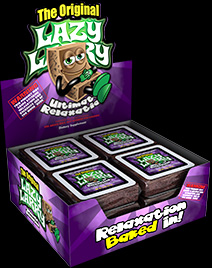
Lazy Larry Brownies Remind of the Danger of Natural Additives in Food

By Jill Buonomo

Most health-conscious consumers routinely avoid additive-laden foods. But are they missing hidden dangers by accepting “natural” additives at face value?

The Food and Drug Administration might say so. Earlier this week, the FDA issued a strong warning to HBB LLC, the manufacturers of “Lazy Larry” brownies, a product laced with melatonin and marketed through convenience stores and the company’s website. The FDA says it can seize the brownies if the company continues to manufacture and sell them.

Melatonin is a hormone that, while “natural,” affects the sleep-wake cycle and can make consumers sleepy. According to the FDA the addition of melatonin makes the brownies unsafe. Included on the packaging is a warning against driving or operating heavy machinery after consumption.

Although melatonin is fairly unregulated as an over-the-counter supplement, the FDA suggests that consumers, especially children, pregnant or breastfeeding women, and those with autoimmune diseases should consult their doctor before eating melatonin-laced foods. Some medical research suggests that use of melatonin could result in reproductive, cardiovascular, ocular and neurological issues.


Read Full Post >


Forget Drinkified: How PepsiCo Could Build a Better Snack

CEO of Pepsi Indra NooyiIn the May 16 edition of The New Yorker, John Seabrook delves into the ways that PepsiCo is working to reposition itself in light of the global obesity crisis. “Snacks for a Fat Planet” is bookended with the author’s interactions with Indra Nooyi, PepsiCo’s C.E.O. Nooyi argues that it’s not enough for the company to make snacks that taste good, but also be “the good company.”

Nooyi is clearly a leader who understands the huge potential for corporate good, both for the bottom line and for society. She also sees that the health crisis created by obesity does not bode well for the future of PepsiCo’s profits, no doubt a factor in the company’s efforts to make healthier products. Earlier this year, the company began making a number of Frito-Lay products with natural ingredients. They also have plans to reduce the amount of sodium and sugar in their products by 25 percent by the year 2015, under guidelines created by Derek Yach, the former World Health Organization cabinet director.


Read Full Post >


What’s Really in Your Food on The Doctors

The Doctors TV show logoTune in to The Doctors on Thursday, May 5 to find out what’s really in your food. The Doctors take a close look at chemical additives found in many common foods, and what consequences these substances can have for your health. Thousands of chemicals are commonly used in our food to improve the taste, enhance the smell, and prolong shelf-life, yet little is know about the real effects of consuming these chemicals. The show will reveal some of the shocking dangers of food additives that are emerging from the medical community.

Learn about the carcinogen that’s lurking in chips, chemicals in salad dressing, why benzoyl peroxide can be found in bread and how insect parts are making their way into pasta. Learn how you can avoid these chemicals, and more reasons to eat whole, unprocessed foods.


Read Full Post >


FDA Rules Artificial Food Coloring Is Safe for Most

JelloA FDA panel ruled that there is not proof that artificial food coloring caused hyperactivity in most children, and concluded that products containing these substances do not need to carry special warning labels or be banned altogether.

The panel convened in response to a petition from the Center for Science in the Public Interest. The advocacy group petitioned for banning artificial food dyes because a growing number of studies suggest a link between children’s behavior and hyperactivity.


Read Full Post >