Diets in Review - Find the Right Diet for You

fat


Visceral Fat: Why It’s Different and How to Get Rid of it

By James O’Brien

The human body has two kinds abdominal fat: subcutaneous and visceral. Subcutaneous fat is the stuff that you can pinch and move with your hands; visceral is the kind that can make the belly bulge, but feel hard to the touch (the notorious beer gut). Even if you don’t sport a beer belly, you might still have visceral fat that could be giving you health problems.

While being overweight is not an ideal state of health in general, it’s the visceral fat in particular that nutritionists and health experts cited at ScienceBlog.com connect most commonly with diabetes, glucose-related problems, hypertension, and heart disease.

Problem is, visceral fat doesn’t always stick out. Doctors have discovered thin-looking patients whose abdominal organs are packed with visceral fat. These people face the same kind of health risk as their more obviously beer-bellied counterparts.


Read Full Post >


Woman Determined to be Fattest in the World

Susanne Eman wants the definition of beauty to expand.

Eman, weighing in at around 727 pounds, wants one day to be the fattest woman in the world, beating the current record of 1,600 pounds. To reach her goal, Eman is consuming over 20,000 calories per day.

Although the obese woman consumes an absurd amount of calories and has to use a motorized scooter in the grocery store, she insists she is perfectly healthy.

“I go for a waddle and do stretches and exercises every day. My muscles need to hold up to my weight, so I have to stay strong,” Eman told the Daily Mail. “I take my blood pressure once a week, and every day, after I exercise, I take readings of my other vitals. I use a pulse oximeter to measure the concentration of oxygen in my blood stream.”

If any of Eman’s readings were abnormal she would call her doctor immediately, she said. She truly believes that what she’s doing is healthy, but has arranged for her sister to take care of her two sons, Brendin and Gabriel, if anything were to happen.


Read Full Post >


Paprika and Cinnamon Said to Protect Your Body From Fatty Foods

Spices have always been an easy, low-calorie way to add flavor to your food without extra fat. According to the Daily Mail, a research team from Penn State University has found that a diet rich in spices, including turmeric and cinnamon, can reduce the stress that high-fat foods can place on the heart.

Scientists report that turmeric and cinnamon, two of the healthiest spices, may protect you from the physical damage caused by high-fat meals.

“Normally, when you eat a high-fat meal, you end up with high levels of triglycerides, a type of fat, in your blood,” study leader, Sheila West told the Daily Mail. “If this happens too frequently, or if triglyceride levels are raised too much, your risk of heart disease is increased.”

By adding healthy spices to a high-fat meal, researchers found that the triglyceride response reduced by about 30% when compared to a similar meal with no spices added.


Read Full Post >


The Myth of Targeting Your “Problem Area”

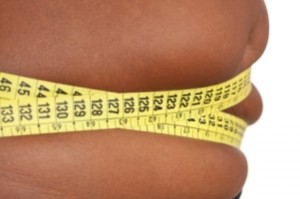
measuring tape around a stomachMost people have areas of their body they wish they could change. There are hundreds of workouts that promise to tone your tummy, trim your waist or tighten your butt. It’s certainly possible to build muscle in these areas, but an article from CNN points out that you may not be able to change the underlying shape of your body, even with significant weight loss.

“People come in with unrealistic expectations from magazines and spot-reducing,” says Gary Foster, director of Temple University’s Center for Obesity Research and Education. “That doesn’t happen. When you start to lose fat, it’s proportionate throughout your body, whether it’s your neck, waist, ankle circumference. You’ll come out smaller but have the same body shape.”

In other words, a person who is pear-shaped will remain a pear, and a person who is apple-shape will remain an apple. “Basically, when we lose weight, we lose weight all over in exactly the proportion that’s distributed throughout our body,” says Susan Fried, director of the Boston Obesity and Nutrition Research Center at the Boston University School of Medicine. CT scans, dexa scans and MRIs reveal that as a person loses weight, fat is reduced evenly around the body.


Read Full Post >


Exercising on an Empty Stomach: Good or Bad for Burning Fat?

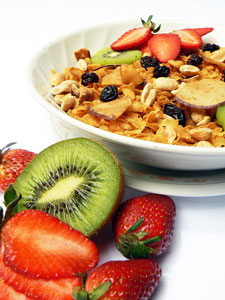
Healthy BreakfastsYou’ve probably heard the claim that exercising on an empty stomach helps boost fat loss. But is there any truth to it? While the answer depends on who you talk to (and what book you read — so many weight-loss books promote the practice), most research studies and exercise science experts agree that fasting before working out is counterproductive.

Working out on an empty stomach makes sense — in theory. Proponents say that you’ll burn more fat because your body doesn’t have carbohydrates to use as energy since you haven’t eaten. However, a February 2011 report published in Strength and Conditioning Journal found that to be untrue. Researchers found that when you don’t have proper fuel in your body, your body has less energy and therefore your exercise intensity and number of calories burned suffers. During intense workouts, your body may actually pull protein from your muscle for fuel — definitely counterproductive since muscle helps to rev metabolism.


Read Full Post >