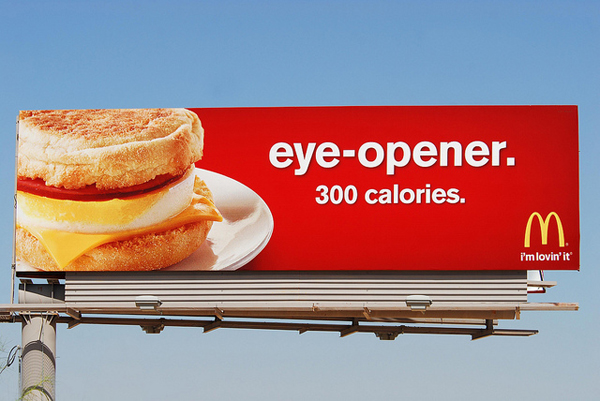
One of my biggest food vices is McDonald’s. I own that. Those French fries have me in a trance just like everyone else. I didn’t used to care. I ate it rarely enough that when I did I figured the difference was made with workouts and healthy meals.
About two years ago, I literally had to wean myself away. I’d drive by and mentally debate myself over whether to pull in or keep going. I usually convinced myself to keep going when I’d conjure up the memory of the unrelenting headache I’d get within a few bites of my combo. Up until about two months ago, I hadn’t eaten there in six months.
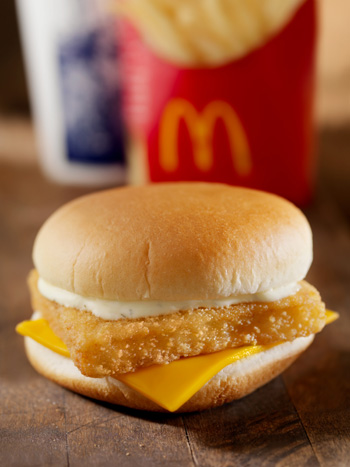
 One day, I’d failed to eat breakfast or anything else. I found myself running errands at about 2 in the afternoon when the shakes and a blinding hunger struck. The only thing in my vicinity was a McDonald’s. I didn’t have a choice. I inhaled the food, and sure enough, the headache hit me like a brick wall. When I returned to my office, I had to leave a short time later. I was so wrecked with nausea, shakes, and sweating that it wasn’t doing any of us any good for me to stick around. I’ll never eat there again.
There’s something very wrong with that food. I have a really hard time even calling it food because it’s what Jillian Michaels would refer to as a Frankenfood. It’s so pumped full of chemicals, so processed, and so far from resembling what that same food would look like if you prepared it yourself you have to wonder how it’s even legal.
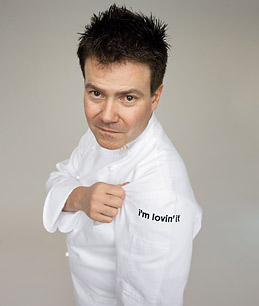
I always wonder how culinary professionals who train for such a delicious career end up as the chief chef at fast food companies. I also wonder how people, like the senior director of culinary innovation at McDonald’s, sleep at night. For the fast food giant, that would be Chef Daniel Coudreaut.
He recently made this bold statement that has my head spinning as badly as it did from the sodium-buffet-in-a-bag I fed myself earlier this spring.
“I don’t see anything on that menu that’s unhealthy,” he said, according to Lisa Abraham in her article at Ohio.com.
WHAT???
He can’t be serious, right? (more…)


 A pasture-raised cow is one that has daily access to outdoor pastures. Additionally, the animals are never fed hormones, only a vegetarian diet. The leading Mexican grill chain has made some bold and progressive moves in the last year, challenging the existing quality found in typical fast-food. Chipotle has already made a commitment to serve only naturally raised meats