



Diets in Review - Find the Right Diet for You

E. coli


Ground Beef Recall Saves Georgia Schools from E. Coli

By Kesley Murray

Parents of children who attend Georgia public schools can breathe easy after the U.S. Department of Agriculture recalled 40,000 pounds of ground beef products that were headed to school cafeterias. The meat was possibly contaminated with E. coli and came from the Palo Duro Meat plant in Amarillo, Texas.

Currently, the USDA is saying that they do not believe the ground beef had been served in any school lunches. The meat was being stored in two different warehouses in Georgia and had not been shipped to the six school districts that are associated with the National School Lunch Program.


Read Full Post >


Bisin: A New Natural Food Preservative Discovery

If you haven’t yet heard of Bisin there is a good chance that you probably will within the next couple of years. Bisin is the latest craze in the world of food-borne illness prevention. It is the first natural preservative found to kill gram-negative bacteria, and it may just be worth all the hype, especially in light of all the recent E.coli outbreaks that have occurred this summer.

Bisin can supposedly prevent harmful bacteria such as E. coli, listeria, and salmonella from growing on a wide variety of foods. These types of food include meats, processed cheeses, egg and dairy products, canned foods, seafood, salad dressing, fermented beverages, and many other foods. By using Bisin, these foods may have extended shelf-lives and ultimately reduce food waste. This is a good thing - so is the fact that bisin appears to be allergen free, non-toxic, and doesn’t appear to be one of those substances that germs build up resistance to.


Read Full Post >


60,000 Pounds of Ground Beef Recalled Due to E. Coli

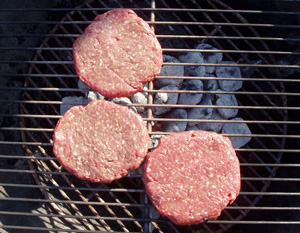
beef-pattiesBefore you cook or grill that ground beef in your fridge for dinner tonight, beware. The USDA has recalled a whopping 60,000 pounds of ground beef due to possible E. Coli contamination.

So far the recall only focuses on the Southeast region of the United States, focusing on products sold mainly in Florida, Georgia, Alabama, Mississippi, Louisiana, South Carolina and Tennessee. The ground beef was supplied by National Beef Packaging Co. of Dodge City, Kan. and was sold in Winn-Dixie, Publix and Kroger grocery stores.

The USDA says that the tainted beef may be contaminated with E. coli 0157:H7 bacteria, a particularly troubling strain of E. coli. This strain of E. coli can cause bloody diarrhea, dehydration and, in the most severe cases, kidney failure. As with any foodborne illness, the very young, seniors and persons with weak immune systems are the most susceptible, according to the USDA.


Read Full Post >


3 Easy Ways to Protect Your Family from E. Coli Contamination

A deadly E.coli outbreak that has afflicted Germany and other parts of Eastern Europe has sickened nearly 2,000 people to date. According to the New York Times, the deadly outbreak has been traced to tainted domestic sprouts and forced the closure of several farms in the Northern part of the country.

While this news might send some people running to empty their produce bins and avoid green vegetables, some public health experts are skeptical of these claims.

“We would want either epidemiological evidence or confirmed laboratory evidence,” Dr. Robert Tauxe, deputy director of food-borne diseases for the Centers for Disease Control and Prevention in Atlanta, told the New York Times.


Read Full Post >


Rare Burgers Banned in North Carolina Restaurants

North Carolina may be a red state politically, but many meat eaters are blue in the face crying foul over a state ban on rare burgers in restaurants. The state now requires restaurants to cook their hamburgers to a temperature of 155 degrees, which health officials say is enough to kill unhealthy bacteria such as E. coli.

While North Carolina’s citizens are still allowed to eat their hamburgers anyway they wish at home, restaurants can’t go any lower than medium on the cooking chart. Word has it that this legislation has created somewhat of an underground red meat-eating movement, a bit like the speakeasies of Prohibition days, I suppose.

North Carolina restaurants can still serve steaks rare to customers since they don’t pose the same threat as ground meat. If contaminants exist on a piece of steak they are usually on the outside and killed during the cooking process. However, when beef is ground up the bacteria is mixed inside.


Read Full Post >