While most barbecue fare gets a bum rap for being loaded with fat, excess sodium and calories, this Fourth of July, why not grill up your favorite outdoor eats with calorie-free but super flavorful spices?
Recent research has shown that spices like turmeric, cumin, cayenne pepper and countless others contain specific compounds that may help to stave off diseases. Here’s your guide to the best grilling spices to give your July 4th feast more nutritious flare!
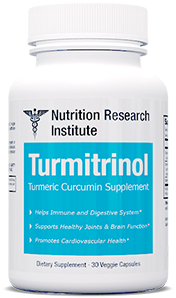
Turmeric: Numerous studies have linked turmeric to reducing inflammation, lowering cholesterol, and preventing and treating cancer cell growth. Curcumin, the substance in turmeric that gives it its trademark yellow color, is the magic compound behind most of these health benefits. To get the benefits of turmeric, add a few dashes to your Fourth of July potato or egg salad.

Many of the diseases and cancers seen in our society could be preventable or postponed if we shifted our focus to prevention rather than treating a disease. Too often people go on medication to lower their cholesterol or help with their blood pressure, but had they considered diet and exercise years before it’s likely that they wouldn’t have to depend on medication at all.
Obesity is another medical issue that could probably be avoided if we paid more attention to what we put into our mouths and how much exercise we get. The cost of prevention (eating right and exercising) is far cheaper than the cost of medical expenses (doctor visits, hospital stays, medications, etc.).
All this being said, what can you do to start this road of prevention? In my eyes, it’s never too late to start getting healthier. So what can you do?

In recent years, the health benefits of tomatoes grabbed some headlines. What got particular attention was lycopene, a bright red carotenoid pigment and phytochemical found in tomatoes and other red fruits and vegetables.
Lycopene has antioxidant properties. Research has shown that it helps combat cardiovascular disease, cancer, diabetes, osteoporosis, and even male infertility. If tomatoes aren’t your thing, you can get lycopene from carrots, watermelons, papaya… or in a tomato pill.

Guest bloggers Garrett Berdan, RD, LD, and Bailey Peterka, dietetic intern, help you make the DASH for good health. The DASH Diet Eating Plan website was created by registered dietitians and nutrition educators at Nutrition Education Services/Oregon Dairy Council.
A new study highlights an additional benefit of the DASH diet to lower risk of heart failure in women.

The study appearing in the May 2009 Archives of Internal Medicine examined the incidence of heart failure in healthy women aged 48 to 83, and found that women whose diet was the most similar to the DASH eating plan experienced a 37%-51% lower rate of heart failure.

All the baby boomers are getting older and becoming the face of our population. In fact, it’s estimated that by 2030, the proportion of the U.S. population aged 65 and older will double to about 71 million adults (1 in every 5 Americans!). With this population getting older, there are will be much more diversity than we have ever seen before. This diversity will greatly affect our economy, including unprecedented demands on public health, aging services, and the nation’s health care system.
Therefore, chronic disease prevention should be on the forefront of yours and health professionals’ minds alike. Chronic diseases, sadly characterized with a heavy economic burden due to associated long-term illness and diminished quality of life, all of which add up to an increase in health care costs. Although the risk of disease and disability increases with advancing age, there are ways to help yourself now.