


Diets in Review - Find the Right Diet for You

diets


A Beginner’s Guide to the Paleo Diet

The Paleo Diet has become one of the most popular diets in the U.S. in recent years. According to Experian Marketing Services it was the most searched for diet on the Internet the first week of 2013. As a result it now sits on the top 10 list of most popular diets.

So who is going Paleo these days? According to researchers, roughly 58 percent of the recent surge in Internet searches have come from females. Among those, 33 percent listed an annual household income of $30,000-60,000. It’s apparent that middle class women are the primary demographic growing curious about this popular diet for their health and weight loss goals.

What is the Paleo Diet?

The Paleo Diet, also known as the Caveman Diet, permits only foods that were consumed during the Paleolithic era, roughly 10,000 years ago. Since agriculture had not yet been invented, the diet prohibits many foods that are consumed in today’s society on a regular basis, such as grains, sugar and dairy. The general idea, however, is to only consume foods from nature – not foods that have been man made.
Read Full Post >


Anne Hathaway’s Hummus- and Radish-Only Diet for Les Miserables Role

One Hollywood star has been looking particularly thin lately as Anne Hathaway prepares for the next installment of the Batman franchise. The actress, who will play Catwoman, spent months toning her physique to fit in the tight leather suit she was required to wear while filming. Her nutritionist, Jackie Keller, spoke to us about Anne’s nearly vegan diet, but was more dismissive of the starvation diet Anne followed for her Les Miserables role.

After the Batman film was wrapped Hathaway went straight to shooting “Les Miserable.” Before filming for that role she knew losing more weight was something the producers wanted. Anne started a strict 500 calories a day diet, which consisted of hummus and radishes. The star talks about her new diet in the latest issue of Allure.
Read Full Post >


The Big Fat Money Pit of Weight Loss Revealed on 20/20

The literal business of weight loss is a very lucrative industry. Tonight’s edition of ABC’s 20/20 will break down the numbers and many will be shocked by the story of, “Losing It: The Big Fat Money Pit.”

John LaRosa is the president of Marketdata, where he has been an analyst of the U.S. weight loss market for 23 years. He gave an interview to 20/20 along with other experts, about the impact the actual “industry” of weight loss has on our country. The interviews evaluate the use of celebrity endorsements for diet companies, weight loss scams, the popularity of diet pills and meal replacements, and much more.

The subject of weight and weight loss deals heavily with numbers. Some of the most interesting numbers are those of dollars spent. Here are just a few staggering statistics that will be covered in tonight’s show, airing at 10 PM E.T.

video platform video management video solutions video player
Read Full Post >


5 Places People Waste the Most Money on Their Health

David Bakke writes about tips for improving health and saving money on Money Crashers Personal Finance.

In 2009, Americans spent almost $2.5 trillion on health care, and that number is expected to almost double by the year 2019. As these costs escalate, it’s obvious that a healthy lifestyle can save you money. But the question is, how much money should you spend to live healthy? Fortunately, there are many ways to cut back on health expenses without cutting back on health benefits.

1. Gym Membership

Unless your monthly gym bill serves as your only motivation to exercise, a gym membership is usually not worth the expense. You can walk or jog in your neighborhood, bike at a local park, and swim in public pools. You can also pick up a cheap set of dumbbells for strength building. In fact, skipping the gym can easily save $500 annually.

2. Organic Food

Organic foods cost roughly 30% more than their traditional counterparts. So if you’re spending the money on organic, make sure it’s worth it and research which are safe to buy conventionally grown instead. For example, some conventionally grown fruits don’t contain as many pesticide residues as others. Whereas conventionally grown apples repeatedly test as some of the “dirtiest” fruits on the market. Avocados, onions, cantaloupes, asparagus, and eggplants should be safe to buy non-organic.
Read Full Post >


Body By Vi Diet vs. Medifast Diet

When it comes to diets, many people look for a program that does most of the work for them. When it comes to weight loss, nutrition is key, and programs that can plan out your meals, tell you what to eat and when came make the whole process a lot easier. Two popular meal services are the Body by Vi program and Medifast. Both provide you with meal options, Body by Vi with meals replacement shakes, and Medifast that delivers full meals to your door. We’ve weighed the pros and cons for each so you can make the decision that is right for you.

Body by Vi allows you to purchase kits filled with meal replacement shakes to take the place of one or two meals a day, depending on your goals. Each kit that is available will come with a set amount of meal replacement shakes and range in price.

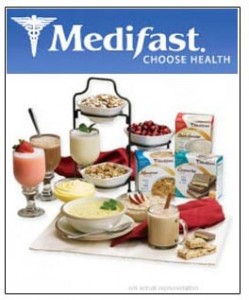
Medifast is a meal delivery service that sends high protein meals directly to your door step and was named #7 on the list of the Best Commercial Diets by US News in 2011. By controlling portions and calories, Medifast claims users can expect to lose up to 20 pounds in their first month on the program. Medifast’s success has been proven in multiple clinical studies. A Johns Hopkins study found Medifast helps dieters lose weight quickly and safely. The study also found Medifast helped type 2 diabetics lose 2 times the weight of those following the American Diabetes Association’s dietary recommendations. Medifast also shows positive results in those with hypertension and high cholesterol.


Read Full Post >