


Diets in Review - Find the Right Diet for You

dietitians


7 Splurge-Worthy Gifts to Buy for Yourself and Your Health This Year

It’s Christmas time, when we think of others and how we can show our love through tokens of appreciation. Before going broke buying presents, however, save a little bit for yourself to spend on something that could do a world of good in your life by providing a bevy of health benefits. From getting off medications to finding a surefire way to cope with stress, these gifts promise more than momentary satisfaction, they may just inspire a completely new lifestyle.

1. Hire a Personal Trainer

Sometimes, the choice to workout comes down to accountability. When exercising with a friend isn’t cutting it, hiring a trainer can be a great choice. They know what moves to do, how many need to be done to be effective, and how to do them so you don’t get hurt. They also take care of formulating a fitness plan with your goals in mind. Missing a 6 a.m. workout is a lot less likely if you know there’s someone waiting for you at the gym ready to charge your credit card whether you show up or not. Just be sure to make sure they’re accredited and look into what kind – not all certifications are created equal. Can’t make it to the gym? Sites like Wello will do video-chat training sessions to serve clients anywhere, anytime.

2. Get a Nutritionist

Do you have fitness down, but need help with the food part of being healthy? A consult with a nutritionist may be your answer. A diet book has no concern for what foods you like and dislike, certain allergies, and current fitness levels. A dietitian will. They’ll give you a proper eating plan to follow and do all the math and science stuff, like calorie counting, for you. Before picking one, make sure you have a certain rapport with them so that you’ll feel at ease, know they give clear directions that you can easily understand, and explain why certain foods are and aren’t necessary. They don’t even have to be local. Dietitians like Mary Hartley, RD do Skype consults.
Read Full Post >


US Olympics Team is Taking a Record Number of Dietitians to London

At the 2012 Olympic Games, you will find the most countries represented and the most athletes competing in the Games’ history. You’ll also find the most dietitians that the U.S. team has ever taken, and all four sport dietitians will be be sporting the red, white, and blue.

Team USA is headed to London next month with more than 600 athletes participating in 26 different sports, and to keep them properly fueled before, during, and after their events, some of the most well-respected dietitians in the business will be by their sides.

“We’re the team behind the team,” Jennifer Gibson told us, MSc, RD, one of the primary sports dietitians working with the USOC teams, of she and her colleagues’ involvement at the Games. “We’re all really, really excited about the amount of staff we’ll have on the ground in London.”

The dietitians are glad that the athletes value their service, and the USOC finally recognizes that value. “We’ve been working for a while to [have the USOC] understand the role we can play there,” noted Shawn Dolan, PhD, RD, CSSD, a senior dietitian for the USOC, in our interview. She said the presence of the dietitians at the Games offers peace of mind to the athletes.

“Not long ago athletes ate what they wanted,” said Gibson. “But nutritional sciences have progressed and dietitians have become an integral part of the team. We’re proud of that.”
Read Full Post >


New USDA MyPlate Icon Fills Plate With Less, Says Cheryl Forberg, RD

Cheryl Forberg, RD is a James Beard Award-winning chef, New York Times best-selling author, and nutritionist for NBC’s “The Biggest Loser.” Her latest book is “Flavor First,” which can find out more about at Flavorfirst.com. You can follow her on Twitter @cherylforbergrd.

Why were nutritionists so happy when the USDA announced the food pyramid was dead?

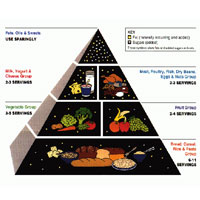
When the USDA in 1992 released the food pyramid we’ve all become familiar with, many nutritionists voiced concerns with the diagram. The large base of bread, cereal and grains just gave the impression that you were supposed to eat so much more from that group. Encouraging people to eat so many grains and carbs, nutritionists argued, paved the road to an obesity epidemic.
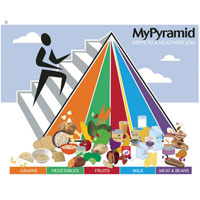
The original pyramid had long been unpopular and in 2005 it was replaced with a new logo called MyPyramid, a nearly impenetrable glyph depicting a stick figure running up steps on the side of a vertical striped pyramid. Sensitive to fears that the hierarchy of the original could lead to an improper balance, the USDA abstracted the image and turned the breakdowns on their side. The running figure was meant to to remind people that exercise was an important component of proper diet and nutrition. Too bad nobody paid much attention to the essentially meaningless graphic.

Thursday, First Lady Michelle Obama, Agriculture Secretary Tom Vilsack and Surgeon General Regina Benjamin unveiled the USDA’s new food icon, replacing the confusing pyramid with MyPlate.
Read Full Post >


Should States Pay for Nutritional Counseling?

vegetablesYesterday, and NPR story covered the fact that Tennessee’s Medicaid program, TennCare, will pay for obese patients to have bariatric surgery, but not for counseling from a dietitian. “That has led some critics to complain that TennCare won’t pay for an ounce of prevention but will pay for a pound of cure,” writes Daniel Potter.

Wendy Long, the chief medical officer of TennCare says that bariatric surgery is the most cost-effective method for the state to treat obesity. Gastric bypass surgery costs the state about $20,000 per operation.

One dietitian, Sarah-Jane Bedwell, says that this practice isn’t a real solution to the problem. “It’s like saying we’re going to fill your cavities, but we’re not going to ever pay for you to get your teeth cleaned or teach you how to brush your teeth,” she contends.


Read Full Post >


How to Become a Registered Dietitian

Registered dietitians, also known as RDs, are food and nutrition experts who have met a number of academic and professional requirements that qualify them to provide reliable, objective information about food, fitness and the latest scientific findings from the dietetic community.

Unlike a doctor or a nurse who specialize in medicine, registered dietitians study food and food science to determine the best diet and lifestyle plans to help nourish our bodies. Becoming a registered dietitian, while not exactly easy, is accessible for anyone once they have completed a minimum of a bachelor’s degree at an accredited US university or course work approved by the Commission on Accreditation for Dietetics Education (CADE) of the American Dietetic Association (ADA).


Read Full Post >