Diets in Review - Find the Right Diet for You

diet soda


Conservatives and Liberals Make Different Food Choices

There are many ways that we identify ourselves, and one of our deepest set chosen identities tends to be political beliefs. Self-identified liberals and conservatives (rather than those that identify as “middle of the road”) tend to disagree strongly on a variety of subjects, from the size of government to taxation to gay marriage. A survey of 347, 949 Hunch.com users has identified that those who tend to support liberal or conservative politicians also disagree on what to eat.

Those who identified as liberal seem to be more likely to agree with what they read at DietsInReview. While conservatives were 65 percent more likely to eat fast food a few times per week, liberals were 92 percent more likely to eat fast food rarely or never. When it comes to french fries, conservatives consider McDonald’s the best of the best, while liberals are 64 percent more likely to prefer bistro-type fries.

Similar to their fast food choices, those who identify as conservative were 50 percent more likely to believe there is no significant difference between organic and processed food, while identifying yourself as a liberal makes you 28 percent more likely to disagree. Liberals are 29 percent more likely than conservatives to avoid soda and 27 percent as likely to drink only diet soda when they do. Those who identify as liberal are 28 percent more likely to eat fresh fruit daily, while those who identify as conservative are 35 percent more likely to eat fresh fruit less than once per week.


Read Full Post >


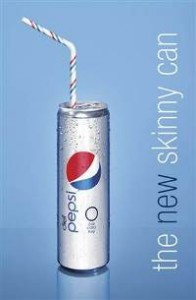
Reduced Sugar Pepsi Next Hits Stores this Summer

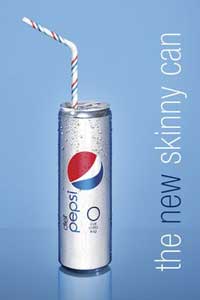
At the Beverage Digest Wall Street Smarts conference yesterday, Massimo d’Amore, CEO, PepsiCo Beverages America confirmed the rumors that Pepsi will be launching a mid-calorie soda. D’Amore described the new beverage as “a next-generation cola” that cuts calories and sugar without sacrificing taste, the major stumbling block for mid-calorie sodas of the past. In 2004, PepsiCo launched the 70-calorie Pepsi Edge, which proved unsuccessful and was pulled from the market in the following year.

“The way we were formulating products 10, 20 years ago is different from how we formulate them today,” said d’Amore. “The sweetener system is different; some of the ingredients are different. It’s a great-tasting product.” He explained that the product has been created for customers who currently drink full-calorie soda, but are looking to cut back on their sugar consumption. The product will be tested in two locations this summer, in Iowa and Wisconsin.

The move may be an attempt to keep consumers from switching from cola to other beverages altogether, as the health problems associated with soda consumption gain more public attention. “When some consumers switch from regular colas, they try diets, don’t like the taste and move on to water or other categories,” John Sicher, Beverage Digest’s editor and publisher, told Advertising Age. “The theory is that a mid-cal can taste better than a diet to some consumers and appeal to consumers who are moving away from the regular brands.”


Read Full Post >


A Simple and Effective Diet Plan For Diabetics

This guest post comes from Gale Tern, author, alternative health proponent, and blogger at Arthritis Pain Central.

According to the National Diabetes Fact Sheet, approximately 8% of the U.S. population, or 26 million people, have diabetes. And 79 million people are prediabetic (blood sugar levels higher than normal). As you can see there are a lot of people who suffer from this disease or are at risk of developing it.

While most of us refer to diabetes as the sugar disease, diabetes mellitus (it’s technical name) is actually a group of diseases where blood sugar levels are elevated. They are elevated either because the pancreas doesn’t produce enough insulin, or because the body does not respond to insulin which is produced by the body. Elevated blood sugar levels produce the classic symptoms of diabetes- increased thirst, frequent urination, and increased hunger.

Type 1 diabetes refers to insulin-dependent diabetes where the body does not produce insulin. Type 2 diabetes, or insulin resistant diabetes, is the most common form of diabetes. In this type of diabetes the body fails to properly use insulin.


Read Full Post >


Diet Drinks Not a Diabetes Risk After All

Another victory for proponents of moderation: A recent Harvard study has countered the assertion that diet soda and other artificially sweetened drinks can heighten one’s risk for developing diabetes.

I say a victory for moderation proponents because this means that most people should be able to have a modest amount of diet soda if they please. As is the case in most instances, food should not be demonized or considered “the bad guy.” Our problems with food generally come from within, either with unexamined psychological issues or just not managing one’s time well enough to organize a healthy plan of attack.

Now back to our study…

A large group of men were examined for 20 years. While those who drank regular soda or other sugary drinks were more likely to develop diabetes, the people who drank artificially-sweetened soft drinks, coffee or tea did not show a propensity for becoming diabetic.
Read Full Post >


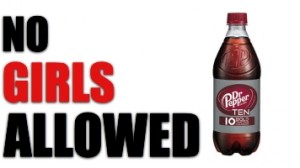
Dr Pepper Releases Their Manly Diet Soda

Diet sodas have long been thought to be a “girls’” drink – after all, more than half of all diet sodas consumed are done so by women, thanks in large part to advertising that is heavily female focused. Dr. Pepper is trying to change that with a brand new marketing scheme. “Dr. Pepper 10″ is a new soda, sold in 12 ounce bottles, geared towards the male market.

The soda isn’t calorie free, but advertises itself as having 10 bold calories. The commercial for the beverage is as masculine as they come, with a scene straight out of Rambo. The masculine commercial features a vehicle chase, heavy artillery, and the closing words, “It’s not for women”.


Read Full Post >