



Diets in Review - Find the Right Diet for You

dairy


4 Ways to Eat Your Yogurt

By Jennipher Walters for FitBottomedGirls.com

I have such an on-again, off-again relationship with yogurt. I’ll eat it daily or twice daily for a month and then, out of the blue, drop it like a hot potato. Which is dumb. Because that “hot potato” is full of good-for-your-tummy bacteria, calcium and deliciousness. Whether it’s a flavored yogurt or plain yogurt that you snazz up with some mix-ins, I have now realized that I should have never broken up with yogurt, even if it’s just for a weekend. Hopefully, yogurt will take me back. Check out our ideas below to keep your yogurt-relationship full of surprise and nutritious excitement!


Read Full Post >


Dairy May Cut Diabetes Risk

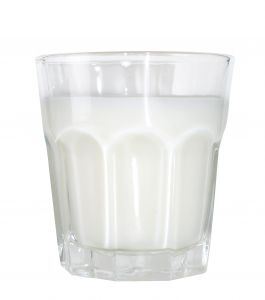
We all know how good dairy is for bone health and that it can play a positive role in fat-loss, but now scientists believe that dairy may play another positive role in our health: reducing the risk of type 2 diabetes.

Researchers have identified a natural substance in dairy fat that may substantially reduce the risk of type 2 diabetes. The compound, called trans-palmitoleic acid, is a fatty acid that is found in milk, cheese, yogurt and butter. It is not produced by the body and can only come from your diet.

Right now, you’re probably confused. After all, nutrition and health professionals have been telling us to choose low-fat dairy for years, right? Well according to the December issue of Annals of Internal Medicine, dairy fat is different in its make-up than other industrially produced trans fats found that are found in partially hydrogenated vegetable oils, which have been linked to higher risk of heart disease. On the other hand, trans-palmitoleic acid is almost exclusively found in naturally-occurring dairy and meat trans fats, which in prior studies have not been linked to higher heart disease risk, according to the study.


Read Full Post >


The More Protein The Better is a Common Nutrition Myth

Protein is essential for normal body functioning and crucial to help build and repair muscle tissue after strenuous workout sessions. Protein is defined as organic compounds made of amino acids that are arranged in a linear chain, typically found in meat, fish, nuts, eggs, dairy products, legumes, and protein supplements. They are considered to be the building blocks for your muscles and immune system. Protein can also be used as a form of fuel to provide the body with energy if you are not getting enough fat or carbohydrates, which are the primary energy sources.

The recommended daily value (DV) of protein based on a 2,000 calorie diet is 50 grams. For those who exercise frequently, it is recommended to get .8 to 1.2 grams of protein per kilogram of body weight. For instance, a 200 pound (90.9 kilogram) male is recommended to intake 72 to 108 grams of protein per day. If you don’t get enough protein in your diet, your immune system may become weakened, you can lose muscle mass, experience growth failure, and even weaken the heart and respiratory system. So, please make sure you are getting enough protein in your daily diet.


Read Full Post >


Avoid Digestional Cramping During Exercise

Endurance athletes, especially runners, are no strangers to digestional cramping: that feeling during a good run or cardio session that has you sprinting towards the bathroom instead of the finish line.

Cramping and discomfort are extremely common among athletes and runners and have been known to hinder, slow, and some times even prevent performance. Unfortunately, there is no exact known cause for this discomfort. Several researches believe that the cause of the pain is the continuous shaking and jostling of the internal organs during an extended workout, often make worse by when and what is consumed as a pre-exercise meal or snack.

A recent study reported that drinking fruit drinks or drinks high in sugar, eating dairy, high-fiber foods, and carbohydrates just before or during exercise initiates the pain.  A few ways to help reduce the risk of digestional cramping is to warm up before exercise and to avoid eating large meals before your exercise session. The more food and liquid you have moving around in your system, the better the chance your bowels are going to object.


Read Full Post >


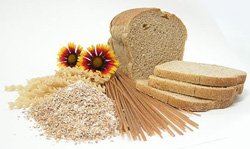
17 Healthy Carbohydrates You Should be Eating

The 17 Day Diet seems to be all the rage these days. Created by Dr. Mike Moreno, the diet was recently featured on The Doctors and the Dr. Phil Show. To go along with this “17″ craze, we’re featuring a list of 17 healthy carbs that you should be eating for overall health.  With so many healthy options, you’ll never fall into a food rut again!

1. Oatmeal. It may seem boring, but oatmeal is such a delicious and filling breakfast choice. With lots of fiber, five grams of protein, 27 grams of carbs, three grams of fat and only 150 calories, you get a lot of nutritional bang for your bite!

2. Barley. Also high in fiber, barley is great in soups, as a whole-grain side or even as a healthy rice replacement in risotto!


Read Full Post >