



Diets in Review - Find the Right Diet for You

cooking


How to Cook Healthy Japanese Food at Home

When someone says “Japanese food” does your mind automatically revert to a heaping platter of sushi? While there are plenty of healthy (and unhealthy) sushi options for anyone watching their diet, there is far more to the Japanese cuisine than sushi, which you can easily make from scratch at home.

Unlike the American diet, notorious for its “super-size” portions,  the Japanese diet is modest, with smaller portions. “Many Japanese people are taught to eat until they are just 80% full,” said Namiko Chen, author of the Japanese home cooking blog Just One Cookbook.

As with any cuisine, you can prepare lighter dishes at home than you would receive in a restaurant because you have complete control over how much salt, butter, cream or oil you add to your dish.


Read Full Post >


7 Whole Grains You Should be Eating

By Michelle Schoffro Cook for Care2.com

While many people steer clear of whole grains, they’d do well to give them a second look. The average person eats refined grain products like white flour and white rice and avoids whole grains like the plague. Meanwhile low-carb dieters swear off whole grains in favor of high protein options like meat and poultry under the false belief that all grains are evil to the dieter (whole grains actually help stabilize blood sugar — critical to the success of any weight loss regimen). And many other people simply avoid whole grains because they don’t know what to do with them or how to prepare them. There are many delicious and highly nutritious whole grains to choose from, so adding whole grains to your diet needn’t be daunting.

There are many options, here are seven whole grains to get you started:

BARLEY

Used as far back as the Stone Age for currency, food, and medicine, barley is a great addition to a healthy diet. Because barley contains plentiful amounts of both soluble and insoluble fiber, it helps aid bowel regularity. It contains 96 calories, 22 grams of carbohydrates, and 3 grams of fiber per half-cup of cooked barley. Unrefined barley contains abundant amounts of potassium. It also has lots of magnesium, manganese, vitamin E, B-complex vitamins, zinc, copper, iron, calcium, protein, sulfur, and phosphorus. This versatile ingredient can be added to soups, stews, cereal, salads, pilaf, or ground into flour for baked goods or desserts.

Try this: Barley Lentil Soup
Read Full Post >


August is Family Fun Month

August is Family Fun month! There are so many options for families to really enjoy each other. Fortunately, there are lots of options beyond watching TV and playing video games together. Here are some great tips on having fun and staying healthy as a family.

Exercise as a Family

A family that exercises together, has a blast together! Here are some great ideas to keep moving as a family.

Commit to Fit for a Fun and Motivating Challenge
August 1st is the final day to sign up for the “Commit to Fit” challenge. Sign the whole family up and earn the Presidential Active Lifestyle Award together- a great way to track and learn new ways to get moving.


Read Full Post >


Are Raw Foods Really Healthier? The Nutrition of Raw vs. Cooked

Raw vs. cooked tomatoes and aspargus Raw food diets are getting a lot of attention lately, both on this blog and in the wider health community. The raw diet tied for the second best diet for weight loss in U.S. News‘ assessment, and raw cleanses are a hot trend this summer.

Supporters of the raw diet believe that raw fruits, vegetables and in some cases meat and dairy are the richest sources of vitamins, minerals, enzymes and other nutrients. While a plant-based raw diet is certainly very healthy, cooking some plants actually increases some nutrients and can also make nutrients more bio-available.

Once you start to look at the question of raw vs. cooked foods, it immediately becomes a complex matter. Nutrition science has become quite sophisticated, yet there’s still only a limited amount of research available on the subject. Some nutrients may be lost during the cooking process yet others are enriched by cooking and exposure to heat. Yet, there are still many gray areas when it comes to the importance of many vitamins, minerals and other phytochemicals. Below are some of the facts that we do have about raw vs. cooked foods, organized by nutrient.


Read Full Post >


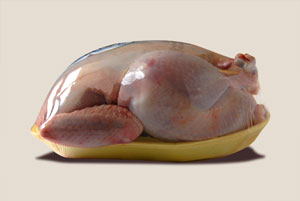
How to Safely Handle and Grill Chicken

Whether you’re a grill aficionado or you only pull out your miniature Weber for special occasions, it’s important to eat plenty of protein as part of a balanced diet.  While most nutrition experts recommend eating lean meats, tofu, beans and quinoa, we often neglect those during the summertime in favor of grilled steaks, hot dogs and hamburgers.

Chicken is an easy alternative to red meat, which often has a lot of artery-clogging saturated fat. Chicken is versatile, grill-friendly and inexpensive, but when not handled or cooked properly, poultry can be a source of dangerous food borne illness.

Here are some important poultry-handling principles to follow this summer to ensure that all of your meals are safe and delicious.


Read Full Post >