Diets in Review - Find the Right Diet for You

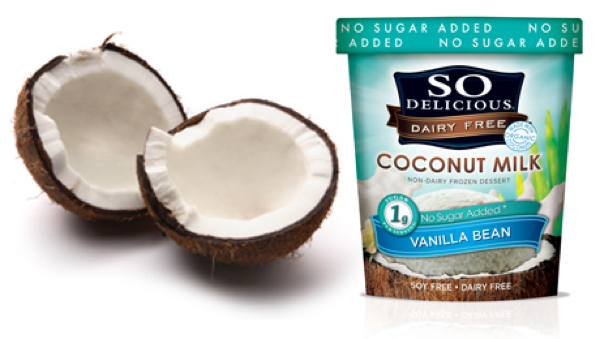
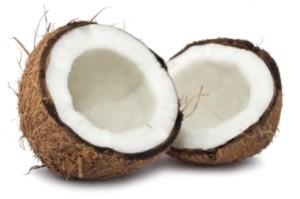
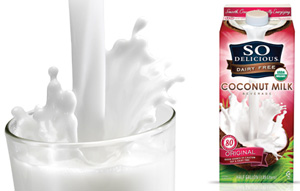
coconut milk


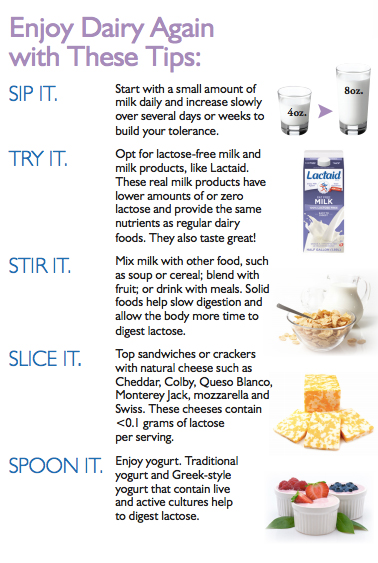
Lactose Intolerant? Discover Which Dairy Products You Can Still Enjoy

If you’re like us, you’ve started to think more seriously about your diet than ever. And not just for weight loss purposes, but for the sake of optimum health and pinpointing which foods may be doing more harm than good.

My primary cause for concern is dairy as I was lactose intolerant growing up. Despite seemingly “outgrowing” my intolerance as an adult, I still notice that dairy can make me feel poor from time to time.

Lucky for me the National Dairy Council (NDC) is perking its ears to the cries of people like me and thousands of others who face similar intolerances. The good news is, these diet discrepancies don’t necessarily mean you have to give up dairy. It just means you have to learn which products may work best for you.

To spread the word about National Lactose Intolerance (LI) Month, the NDC held a Twitter party in late February to equip the LI population with helpful tools and resources to better manage their dietary needs. The council sought to inform the public of the important nutrients dairy can provide in our diets, as well as the many dairy products that those with LI can still consume.
Read Full Post >


Ditching Dairy? See Our Side-by-Side Comparison of Popular Milk Substitutes

Allergies, sensitivities, and avoidance of animal products are some of the most common reasons that people choose alternatives to the traditional cow’s milk. While raw milk and goat’s milk are growing in popularity, they do not eliminate the majority of problems with allergies, sensitivities, and avoidance of animal products. Courtney Hardy shared, “I started drinking non-cows milk after a series of allergy shots where I found out I was allergic to cottonseed. I am not allergic to dairy nor am I lactose intolerant, but since dairy cows are fed a grain mixed with cottonseed it comes through their milk.”
I stopped drinking cows milk when I was fairly young; I just didn’t enjoy it at all. I still used it for cooking, until I decided to limit the dairy in my diet to see if my allergies and sinus issues could be resolved. Recently, I have been comparing milk substitutes to determine what would work best for my family. Real Food University provides a very handy comparison chart that compiles and compares the nutritional information in an eight ounce serving. An eight ounce serving of whole milk contains 146 calories, 8 grams of fat, 13 grams of sugars, 8 grams of protein, 28% calcium, and 0% iron.

Soy

I did not consider soy milk because soy is a growing allergen. It’s been suspected that more and more people are showing allergies to soy as a result of the increase in genetically modified soy. I have read that soy can inhibit the absorption of protein which may persuade others to avoid soy milk as well. An eight ounce serving of soy milk contains 105 calories, 4 grams of fat, 9 grams of sugars, 30% calcium, and 6% iron.
Read Full Post >


How to Cook with Coconut

I used to be terrified of coconut. True story. As a child, if I was handed an Almond Joy at Halloween, I’d chuck it out immediately like it was diseased. If a cake was covered in the snow-like flakes, I’d turn and sprint the other direction. Putting coconut on something was the fastest way to make me hate it.

But as with almonds, I grew to like it along with the many other foods my juvenile palette didn’t appreciate.

What is coconut? Coconut is simply the fruit of palm trees that grow in tropical climates. Shredded coconut is the broken down kernel of the coconut fruit, known as the copra. Despite what some may think, dried coconut still contains all of the fiber and nutrients found in its raw and fresh form, and is typically much easier to cook with.
Read Full Post >


A Healthy Grocery List for Gourmet Tastes

pile of seeds on an orange fabricWhen we think of items that delight the the foodie palate, things like cheese, wine, chocolate and pastries are often first to come to mind. These decidedly high calorie items must be enjoyed in moderation to maintain a good health, but there are a number of exotic tastes that are also very healthy. Assembled below is a list of epicurean delights that are also nutritionally sound.

1. Expeller Pressed Olive Oil. An expeller press mechanically extracts the oil from seeds or fruits like olives. This traditional method doesn’t require chemicals and produces a better product. “When the first press happens, all the nutrients come out in the oil and that’s the highest quality,” says Chef Marcus Guiliano, owner of Aroma Thyme Bistro.

2. Bulgur Wheat. This nutritious wheat has a low glycemic index and is high in fiber. Made from a pre-cooked wheat berry, serve it as you would cous cous or rice.

3. Coconut Milk. Gaining recent traction as a dairy substitute, coconut milk adds a sweet note to all kinds of recipes. Although it’s high in fat, it’s also a good source of lutien, a key nutrient for eye health.


Read Full Post >


How to Cook Healthy Thai Food at Home

While the Pad Thai from your favorite Thai take-out joint has an average of 500 calories per cup, the food you would eat if you traveled to Thailand is quite different – and better for you.

According to food blogger and author Joy Buasi from Joy’s Thai Food, Thai cuisine is well known for its fresh ingredients, robust spiciness and complex flavors and aromas. While chili powder, fresh citrus juices and fish stock are common Thai food flavorings, the cuisine is also peppered with peanuts, coconut milk and oil.

If you want to reap the healthy benefits of Thai cuisine, make your own at home so that you can limit the high-calorie ingredients and take advantage of the ingredients full of nutrients.


Read Full Post >