


There are many reasons to be a vegetarian. Some do it purely for health, others maintain a meat-free diet because they feel that it protects animals from suffering. Regardless of the reasons, most vegetarians catch a lot of flak for their choices. A recent look into the world of poultry production and the options in a plant-based diet, may have even the most cynical among us ordering up faux chicken for our next meal.
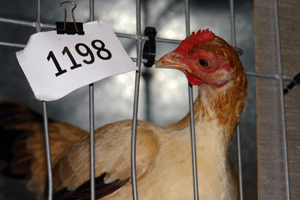
New York Times, Op-Ed columnist Mark Bittman recently took an objective look into the world of fake meat, and poultry production in the U.S. He first looked at the facts about the chicken industry. The stats are a little unsettling. The U.S. raises and kills almost eight billion chickens a year. The growth is so rapid among industry chickens that the Veterinary Record has said that most of the chickens have bone disease and are in chronic pain. For a reflection, the University of Arkansas did a study and reported that if humans grew as fast as industry chickens, they would weigh nearly 350 pounds by age 2.
In addition to the animals being roughly manipulated, Bittman was clear to point out the other effects of raising meat in this manner. Not all are impacted by what some would call cruelty to animals, but the other factors effect many humans. When chickens are raised so quickly, producers are having difficulty dealing with the waste. Manure, waste water, and post-slaughter residue are all in excess and aren’t being disposed of efficiently at all facilities.
Read Full Post >
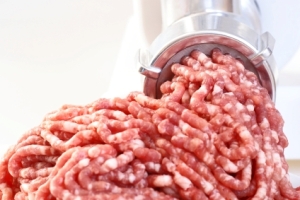
March marks the start of nutrition labels for raw meat and poultry. The new USDA rule states that nutrition information must be made available for most ground meat and ground poultry and for popular cuts of the two.
Previously, the USDA only required nutrition labels on meat that had added ingredients like stuffing or a marinade sauce. Now, all ground meat and poultry must carry a label. Along with ground meat 40 popular cuts will also be required to post a label either on the product or on a nearby chart. Some of those cuts include beef porterhouse steaks, chicken breasts, and pork chops.
The labels will provide the calorie and fat content of the meat. If the product shows a percentage of lean meat, it must also include the percentage of fat.
The labels do not have to include amount of trans fat though. This is not a requirement as the USDA estimated that nearly 80 percent of all nutrition labels list trans fat voluntarily.
There is an exception to the new labeling rule. Small meat grinding businesses are exempt. As long as the business provides lean and fat content information and makes no other nutrition claims on the package, they do not have to provide the other content in a label.
Read Full Post >
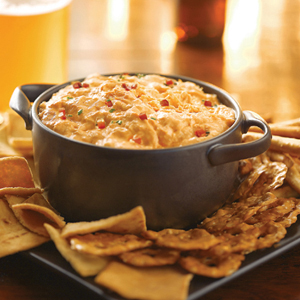
We’re just two days out from Super Bowl Sunday and the anticipation is building! There’s not much to do between now and kick-off except plan Super Bowl recipes and watch Super Bowl commercials. A staple of any proper football tailgate (whether at an actual tailgate or on your sofa) is buffalo chicken. The popular buffalo flavor has many iterations, and this morning, the web wants to know all about buffalo chicken dip.
Yesterday, Mike Valenti published his buffalo chicken dip recipe on CBS Detroit. It looks tasty, no one wonder people are scrambling to find it. However, it also doesn’t look very good for you at all. His original recipe includes regular cream cheese, ranch dressing, an entire rotisserie chicken, and regular cheddar cheese. We estimate a serving of his has at least 487 calories per 3.2-ounce serving. So, we did what we do best, we gave his dip a makeover!
We trimmed a lot of calories, fat, and saturated fat off of his recipe. You’ll get the exact same results, just as much flavor, and feel way better about eating it. With the adjustments we’ve made, the recipe now has about 206 calories per 3.2 oz. serving (this does not include the chips).
DIR’s Buffalo Chicken Dip
Ingredients
- 2 8-oz. packages of reduced-fat cream cheese, softened
- 16 oz. 0% fat plain Greek yogurt
- 1 ranch dip seasoning packet
- 3/4 cup Frank’s Red Hot Sauce
- 24 oz. boneless, skinless chicken breast shredded and skin removed (bake, grill, or stew in the slow cooker with some of the hot sauce)
- 1/2 cup shredded low-fat cheddar cheese
Read Full Post >
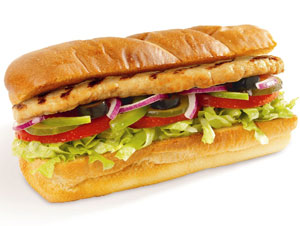
Grilled chicken is a food that’s often recommended as part of weight-loss plans, because it’s low in fat and high in protein, which helps promote satiety. However, that seemingly innocent chicken breast you ordered at Subway or Burger King is not really the healthy item it masquerades as, despite the grill marks on the meat.
That’s because few fast food restaurants are willing to actually grill. Instead, these chicken breasts are cooked with an industrial process and branded with char marks to make it appear as if the meat might have once touched a grill. The only major fast food chains we know of to actually grill its chicken are Chick-fil-A and Chipotle, while McDonald’s, Subway, Wendy’s, Burger King and Taco Bell all opt for fake char marks.
Read Full Post >
The demand for chicken in the US is down, and we can only speculate as to why. Many argue that tough economic conditions have caused Americans to decrease their meat consumption and opt for lower-cost foods. Chicken inventories are 13.1 percent higher than they were a year ago, according to a Wall Street Journal article.
In response to the gap between product and demand, the U.S. government is making a special purchase of 40 million dollars worth of chicken products, which will be distributed to school lunch programs and soup kitchens.
“Thanks to prevailing price trends, the government is getting a bargain on high-quality food to help meet the nutritional needs of the clients of these programs, while the industry is getting some relief from excessive inventories,” said National Chicken Council President Mike Brown. USDA Secretary Tom Vilsack also praised the deal, saying “it will also provide support to the broiler industry and the many small independent poultry growers that depend on the industry for their livelihood.”
Read Full Post >