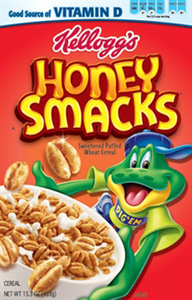
 Kellogg’s Honey Smacks cereal is over 50 percent sugar by weight, putting them at the top of Environmental Working Group’s list of the ten worst cereals. The organization, dedicated to protecting children’s health, analyzed 84 popular brands, finding that only one in four brands meet appropriate nutrition guidelines for children.
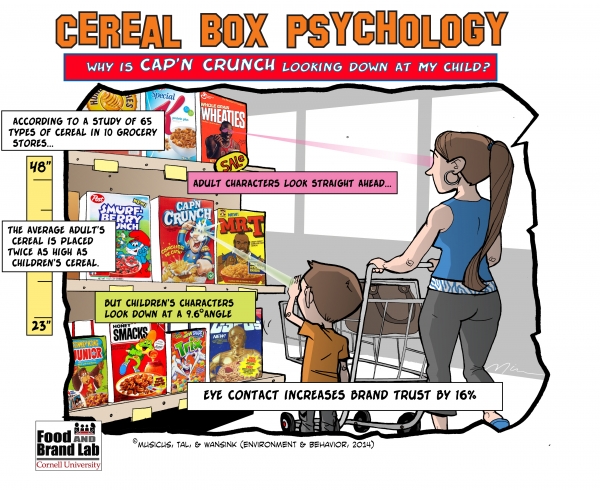
The Interagency Working Group on Food Marketed to Children was formed by Congress in response to rising levels of childhood obesity. The group is exploring the possibility of setting advertising standards for foods with high levels of sugar, salt and fat. However, lobbyists are fighting back on behalf of cereal manufacturers, who spend millions on marketing sugary breakfast foods to parents and kids alike. Currently, the industry has set a voluntary standard for the sugar content of cereal by weight at 38 percent, while the USDA recommends a limit of 26 percent.
After Honey Smacks, sugar also accounted for more than half of Post Golden Crisp’s weight, but were closely followed by three Quaker Oats products. “The cereals on the list are relatively higher in sugar because the sugar is reported as a percentage of the cereals’ weight,” commented Registered Dietitian Mary Hartley. “Since these cereals are light and airy, there have relatively more sugar by weight.” However, when kids eat sugary cereal, they’re missing out on more important nutrients. “The main problem with sugar for healthy people is that it ‘displaces calories’ from foods that contain nutrients – vitamins, minerals, fibers, compounds with antioxidant activity, etc. – replacing those calories with a food that contains only energy from carbohydrate,” said Hartley.
“I was stunned to discover just how much sugar comes in a box of children’s cereal,” said Environmental Working Group’s Senior Vice President of Research Jane Houlihan. “The bottom line: most parents would never serve dessert for breakfast, but many children’s cereals have just as much sugar, or more.”
(more…)