




Diets in Review - Find the Right Diet for You

cancer


Top 5 Vitamins That Protect Against Cancer

By Michelle Schoffro Cook for Care2.com

The best way to beat cancer naturally is to adopt a lifestyle to prevent it. Healthy, nutrient-rich food is an essential part of any anti-cancer plan. Here are my picks for the top 5 vitamins that help protect against cancer. Stay posted next week for the Top 5 Minerals that Help Protect Against Cancer.

1. Beta carotene
This precursor of Vitamin A is found in most orange and green vegetables such as carrots, sweet potatoes, spinach, kale, and other leafy green vegetables. An amazing nutrient, it has been shown in research to protect the lungs against toxins that are linked to lung cancer.

Another study found that ex-smokers who ate green and yellow vegetables high in beta carotene daily decreased their risk of stomach and lung cancer.

2. Vitamin B6
This B-Vitamin is essential to maintain a healthy immune system and helps protect the respiratory tract from pollution and infection. In studies it has helped protect against cervical cancer. Vitamin B-6 is primarily found in carrots, apples, organ meats, bananas, leafy green vegetables, and sweet potatoes.


Read Full Post >


10 Foods that Boost Your Risk of Cancer

By Melissa Breyer for Care2.com

Nearly 1.5 million new cases of cancer were expected to be diagnosed last year–while 559,650 people were expected to die from the disease, according to the American Cancer Society. That’s more than 1,500 people a day–such a startling statistic. In the book Cancer: 101 Solutions to a Preventable Epidemic (New Society Publishers, 2007) the authors write that the number four solution is to “Eat a Healthy Diet.” Listed within are the 10 foods and drinks to limit or eliminate:

1. All charred food, which create heterocyclic aromatic amines, known carcinogens. Even dark toast is suspect.

2. Well-done red meat. Medium or rare is better, little or no red meat is best.

3. Sugar, both white and brown–which is simply white sugar with molasses added.
Read Full Post >


Cancer Survivor and War Veteran to Run Boston Marathon

Clarence Hartley has lived a full life. He is 81-years old and has fought in both the Korean and Vietnam wars as a member of the United States Air Force and served in the military for 24 years. He also fought and overcame non-Hodgkin’s lymphoma, which is a form of cancer, and later, battled prostate cancer.

Hartley has a passion for running and when he was originally diagnosed, he thought of the obstacles that Lance Armstrong overcame for inspiration to keep going. Surprisingly, he didn’t start running until he was retired, and ran his first race at the age of 68. This year, at 81-years old, Hartley was the oldest entrant into the Boston Marathon. Hartley’s desire for running shows us all that you should never give up on your fitness goals.


Read Full Post >


Healthy Sources of Disease Fighting Lycopene

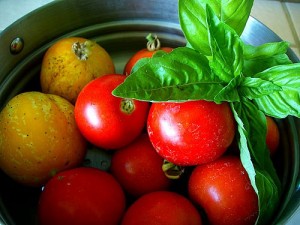
Lookin’ for lycopene? Do you even know what it is? If not, lycopene is what gives certain fruits and vegetables their vibrant red color. However, it does more than make your food look pretty. Lycopene acts as an antioxidant in your body, which means it protects your cells against damage from free radicals.

What all this means in everyday language is that lycopene has been connected with the reduced risk for certain diseases, including cancer and heart disease, and may even help stave off age-related macular degeneration.

While more research definitely needs to be done on the health benefits of lycopene, in the meantime you can’t go wrong with the food sources that provide the highest doses:
Read Full Post >


Vitamin D Recommendations too Low for Cancer Prevention

Researchers at Creighton University School of Medicine and University of California, San Diego, School of Medicine are saying that people need to get a much higher amount of vitamin D to protect themselves from cancer.

“We found that daily intakes of vitamin D by adults in the range of 4,000-8,000 IU are needed to maintain blood levels of vitamin D metabolites in the range needed to reduce by about half the risk of several diseases – breast cancer, colon cancer, multiple sclerosis, and type 1 diabetes,” said Cedric Garland, Dr. P.H., professor of family and preventive medicine at UC San Diego Moores Cancer Center.

The National Council on Skin Cancer Prevention recommends that people get their vitamin D from a combination of our dietary choices and supplements, not by making an effort to get more sun exposure which helps out bodies produce it.


Read Full Post >