Most people want to live long, healthy, and personally fulfilling lives. Unfortunately, there’s not a Fountain of Youth that will magically give you these things. If there was, I bet we would all be waiting in line for a glass of water from that spring. However, there are some things you can do to improve the quality and length of your life.
Get Physical. Physical fitness is a great way to keep yourself healthy and in shape. All you need to do is add 20 minutes of fitness to your day. Try something that is fun for you, whether it is dancing, walking, yoga, or something else entirely.
Milk It. You need calcium in your diet to prevent osteoporosis. Try eating at least one food that contains high levels of natural calcium, such as dairy products, salmon, and leafy greens.
Read Full Post >
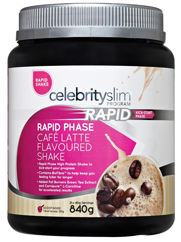
Protein is essential for normal body functioning and crucial to help build and repair muscle tissue after strenuous workout sessions. Protein is defined as organic compounds made of amino acids that are arranged in a linear chain, typically found in meat, fish, nuts, eggs, dairy products, legumes, and protein supplements. They are considered to be the building blocks for your muscles and immune system. Protein can also be used as a form of fuel to provide the body with energy if you are not getting enough fat or carbohydrates, which are the primary energy sources.
The recommended daily value (DV) of protein based on a 2,000 calorie diet is 50 grams. For those who exercise frequently, it is recommended to get .8 to 1.2 grams of protein per kilogram of body weight. For instance, a 200 pound (90.9 kilogram) male is recommended to intake 72 to 108 grams of protein per day. If you don’t get enough protein in your diet, your immune system may become weakened, you can lose muscle mass, experience growth failure, and even weaken the heart and respiratory system. So, please make sure you are getting enough protein in your daily diet.
Read Full Post >
It’s important for everyone to get enough calcium, but women are especially at risk for calcium deficiency, which can lead to osteoporosis and decrease bone health later in life. Even though there is calcium in many of our favorite foods, it can still be difficult to meet the recommended daily allowance for the important mineral.
Dairy products provide calcium, but people with dairy allergies, lactose intolerance and vegans need to look to other food sources to fill their calcium needs. Foods high in calcium include: almonds, broccoli, spinach, cooked kale, canned salmon with the bones, sardines and tofu.
Read Full Post >
When I was a kid, I never developed a taste for milk. Well, no, that’s not strictly true – I loved CHOCOLATE milk. I never had it, so, consequently, I didn’t drink milk. I heard all of the horror stories that were linked to non consumption of milk – the broken bones, the osteoporosis later in life – but I chose to ignore all of them. I mean, really, who wants to think about the things that might happen fifty years in the future?
Me. Now. I’m thinking about it now.
Read Full Post >
Everywhere we go, we are assaulted by claims of “Enriched with Vitamin C!”, “Added B vitamins!”, “More Vitamin A than the leading brand!”, and so on. We all know that vitamins and minerals are essential to the proper balance and function of our bodies, but which supplements are vital and necessary to our health and well being, and which might we avoid, lest we end up with an expensive bathroom trip? Here are my top five choices for essential supplements:
- Calcium – According to the National Institute of Health, the recommended total calcium intake is 1,000 mg a day for women between 25 and 50 years of age, 1,200 – 1,500 for pregnant or lactating women, and 1,500 mg per day for postmenopausal women. The average calcium consumption among North American women is currently only 600 mg per day. I take a calcium magnesium supplement and find that it really helps me with nighttime leg cramps.
Read Full Post >