
Recently, on a time-crunched work day, inspiration struck when a craving for tacos found a lone breast of BBQ-rubbed chicken in the freezer. I wasn’t quite sure how to make the barbecue spice meld with a classic taco, but I was hungry enough to make it work. I let the chicken thaw during the day and by the time I came home from work I had a plan.

The usual tomatoes, black beans, and peppers were not going to make this bird fly; I had to use the traditional barbecue as my muse. That’s when I decided a coleslaw topping would bring these little tacos together perfectly.
So there I was, on a random Tuesday night, throwing together a simple dinner (less than 30 minutes) that was not only super healthy, but about to be pretty darn good. It was so good my family has requested it weekly all summer, and each time I oblige I’m able to fine tune the recipe to the point that I’m ready to share it with all of you.
Read Full Post >
When you think of picnic salads, you probably think of fattening classics like coleslaw, potato salad and macaroni salad. Not only are these traditional salads laden with saturated fat and empty calories, they’re usually bound with mayonnaise, which makes them susceptible to spoilage.
Instead of looking to the usual suspects next time you’re asked to bring a dish to a potluck picnic, opt for something mayo-free that will keep well at room temperature and help you stick to a healthy diet.
Instead of coleslaw…
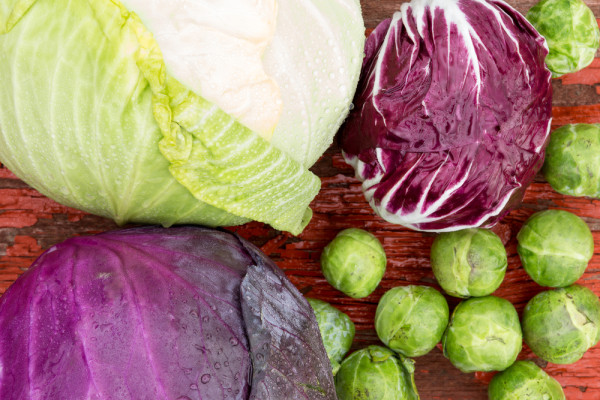
Apple Slaw: Full of fresh, crunchy apples and mixed with low-fat yogurt, this slaw has less than a hundred calories per serving and is a great alternative to a fuller-fat version.
Read Full Post >
Jane Schwartz Harrison is a registered dietitian and lifestyle writer for www.myOptumHealth.com. She is also the editor of their Nutrition and Healthy Weight, Healthy Kids hubs, and provides nutrition expertise through writing articles, developing menu plans and recipes, and supporting a nutrition column. Working in the nutrition field for the past 20 years, Jane has maintained a successful private practice and lectures regionally.
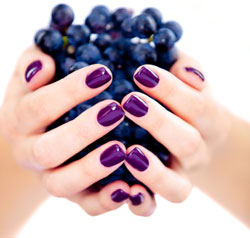
Feeling blue? In nutrition circles, this would be considered a good thing! Blue and purple fruits and veggies are colored by natural plant pigments called “anthocyanins.” Anthocyanins, part of the flavonoid family, are powerful antioxidants.
A recent survey found that adults who eat purple and blue fruits and vegetables have reduced risk for both high blood pressure and low HDL cholesterol (the “good” kind); they are also less likely to be overweight.
Read Full Post >