

Diets in Review - Find the Right Diet for You

burger king


Fast Food Chains Removing Pink Slime from their Hamburgers

McDonald’s, Taco Bell, and Burger King announced they are officially dropping the use of Pink Slime in their food. Wait?! What? They were using something called Pink Slime?

Yes, not only were these major chains using the slime, but 70 percent of all the burgers in the United States contain the ingredient, too.

Pink Slime is the name given to ammoniated boneless lean beef trimmings. It’s an inexpensive beef filler. However, Pink Slime is unfit for human consumption until it is gassed with ammonia. McDonald’s and the other big chains are discontinuing their use of the slime after celebrity chef Jamie Oliver launched a campaign of criticism about the ingredient. Oliver brought the truth of the slime to the public’s eyes during his ABC television show Jamie Oliver’s Food Revolution. Oliver explained how the filler is cheaply sold as dog food, but after the ammonia gassing, it can be served to humans. One of the biggest frustrations about the slime is that it is widely used in school lunches.

Read Full Post >


Burger King Ad Gets A Diabetes Makeover

A Seattle graffiti artist made some waves recently with his additions to a Burger King billboard.

The downtown billboard was advertising Burger King dessert menu items. The campaign was taking a light hearted view on consuming sugary treats by labeling the ice cream cone as “side,” the parfait as “entree,” and the milkshake as “drink.” The graffiti markings came in and turned the Burger King logo into a rotund person with a sad face and x-ed out eyes and labeled it “diabetes.”

Doubtfully was the Burger King company happy with the additions made to their sign, but the ad definitely got noticed. The artist’s markings were widely spread across social media and many cheered the blatant criticism of how fast food is clearly a contributor to the diabetes and obesity crisis in America.

Of course the same arguments can be raised time and time again: “No one is forced to buy their food” and “They paid for the ad, they can display what they want.” These are true statements, but perhaps this type of advertising is just not going to fly with the public anymore.


Read Full Post >


11 Scary Unhealthy Fast Food Breakfasts

By Melissa Breyer for Care2.com

How would you like to meet your daily sodium and saturated fat allowance, as well as nearly half of your daily calorie needs, in one quick breakfast eaten on the road? It’s becoming progressively easy these day as food technicians, chefs and market researchers, holed away in corporate fast food “studios,” are busy developing monstrous new breakfast items. Trying to claim as much of the $57 billion fast food breakfast market as they can, the fast food giants are drumming up increasingly cheesy, steak-y, fried chicken-y breakfast dishes that tap into flavor combinations that have proven successful for lunch and dinner items. It’s no longer eggs and English muffins for fast food breakfast…breakfast burger anyone?

What’s most striking about some of these high-calorie items–aside from the unsustainable, industrial, often GMO and synthetic ingredients–is the very high sodium and saturated fat content. According to the USDA, the current recommendation for sodium consumption is less than 2,300 milligrams a day. For saturated fat, the maximum allowance is between 18 grams to 31 grams, depending on your caloric intake needs. (You can calculate your caloric need with this calculator from the Mayo Clinic.) Many of these breakfast items meet or exceed the daily sodium and fat allowances, and provide much more than one-third of your daily caloric needs.


Read Full Post >


Popular Fast Food Chains Commit to Healthier Kid’s Meals

Finally some good news to report about the fast food and restaurant industry! Nineteen restaurant chains have committed to making their kid meal options healthier. In a new era where one in three children are obese and where eating out is more of a norm verses a special indulgence, this is wonderful news.

The initiative is called “Kids Live Well”, and this voluntary action has select restaurants committing to reduce the calories and improve the nutritional value of the meals they advertise to children. The meals will now be comprised of increased fruit and vegetable offerings, a lean protein, whole grains, and a low fat dairy product. All participants have agreed to make certain all meals are 600 calories or less.

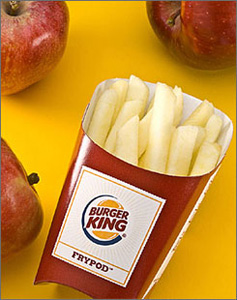
Burger King is one of the restaurants involved in the movement. They may be the shining star of the group as they have made a decision to make apples and milk or juice the default choices for their kid’s meals. While fries and soda will still be available, they will have to be requested. Studies have shown that menu items set as the default options are what the consumers primarily stick with.


Read Full Post >


Fast Food Chains Adding Alcohol to Their Menus

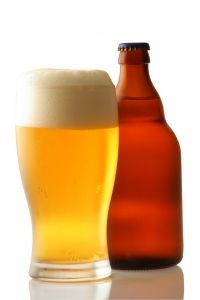
“I’d like a double cheeseburger, the jumbo fries, and a DIET soda.” Does this fast food order sound familiar? The patron stressing the diet soda to lighten some part of the gut busting meal is a pretty common occurrence. Now, we might start hearing something like, “…and a LIGHT beer” tacked on to a fast food order. Alcohol is now being served at fast food chains around the U.S.

Very popular chains like Burger King, Sonic, and even Starbucks have begun introducing alcoholic menu concepts at select locations. The controversial change could be a result of the economy, as many say alcohol will allow them to compete with the casual dinning restaurants in the evening. While that fact may be true as adults may want to eat somewhere that has an alcohol option on the menu, that addition to fast food menus could cause more harm than reward.

Thankfully none of these restaurants allow for alcohol to be ordered from a drive-thru or car stall, but there are still some possible hazards. The risk of getting a quick meal and a quick beer and then driving off pose obvious dangers. However, assuming that adults are responsible enough to gauge what’s appropriate consumption, what about the health factor?


Read Full Post >