Camilla Parker Bowles, the Duchess of Cornwall, is championing a new cause these days: Her concern for teens and the path they’re heading down with their diets, which could lead them to a life of suffering from Osteoporosis.
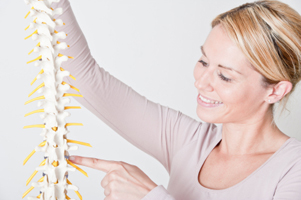
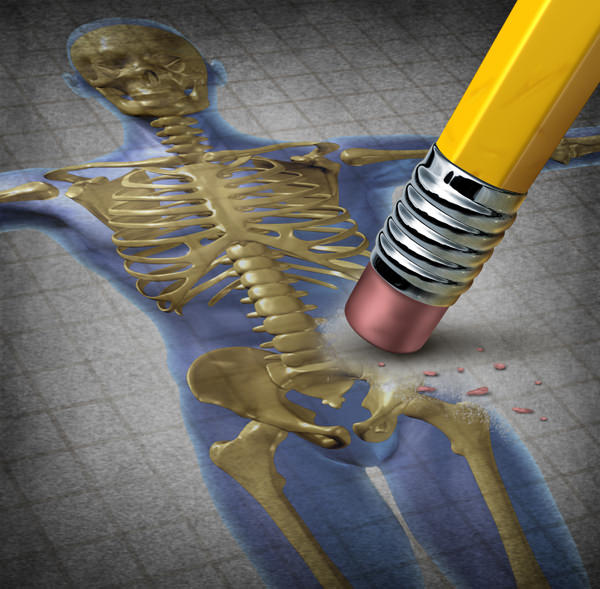
Osteoporosis is a disease that affects the bones, making them fragile and easily breakable. Currently nearly 3 million people in the UK are suffering from the disease, and more than 250,000 fractures occur every year as a result.
Some suspect it’s the non-dairy and wheat-free fad diets that are putting these teens at risk. If they fail to build their bone strength up prior to reaching the age of 35, their chances of developing the disease are much higher.
“To unite with all of you today is so important, to get the message worldwide to people that it can be prevented,” said Bowles.
The Duchess has such as strong opinion regarding this topic as both her grandmother and mother have been affected by the disease. She watched her mother lose 8 inches in height and suffer from serious digestion issues as a result, which eventually led to hear death at the young age of 72. Her personal experience with the disease in her family led to her become the President of the National Osteoporosis Society in the UK.
Read Full Post >
Osteoporosis is the thinning of bone tissue and loss of bone density over time. In light of May being National Osteoporosis Month, it seems appropriate to take a look at some of the causes and consider some of the foods that can help strengthen your bones. Some of the leading causes of osteoporosis are lack of vitamin D, sedentary lifestyle, estrogen deficiencies in women, and low testosterone in men.
According to Dr. Linda Russell, a Rheumatologist at the Hospital for Special Surgery, there are certain factors that can put you at higher risk for osteoporosis including being Caucasian or Asian, having a petite body, going through menopause before age 45, tobacco use, family history of osteoporosis, and taking medications like glucocorticoids, aromatase inhibitors and anticonvulsants. For those who may be at risk, you can get tested.
Dr. Russell stated, “A DEXA (dual x-ray absorptiometry) can detect osteoporosis. Medicare allows this test to be done every two years and every year if the patient is on glucocorticoids or has primary hyperparathyroidism. The National Osteoporosis Foundation recommends a DEXA in women at menopause and men at 70. The US Preventative Task Force recommends a baseline for women at age 65, but earlier if risk factors are present.”
Read Full Post >
By Gale Tern
Can arthritis be cured through diet? Is there such a thing as an anti-arthritis diet? Science and our own government have shown that almost every chronic degenerative disease acquired by Americans is the result of a nutritional deficiency. Many years ago, while researching the effects of nutrition on health, I ran across a stunning newspaper article with a heading that read, “21-Year Cover Up: Suppressed 1971 U.S. Report Linked Diet, Disease”.
This article explained how our own government through the USDA had suppressed a U.S. government report that had been released way back in 1971. The report was called Human Nutrition, Report No. 2, Benefits from Human Nutrition Research. This report was the culmination of $30 million worth of federal nutrition research and it revealed for the first time that all major health problems and killer diseases were the result of poor diet and nutrition.
The upshot of all this is that arthritis, like many other diseases, has its roots in nutrition. So what diet works for those who suffer from arthritis? Well arthritis is an umbrella term. The word arthritis literally means joint inflammation, but is often used to refer to a group of more than 100 rheumatic (inflammatory) diseases that can cause pain, stiffness, and swelling in the joints. These diseases may affect not only the joints but also other parts of the body.
Thus, an anti-arthritis diet must be tailored to the condition you suffer. However, in the main I can tell you what has been found to work for most sufferers of arthritis.
Read Full Post >
For most, impact exercise is a good thing. The more force you apply to your bones, the stronger they become. Unfortunately, the vast majority of the population is physically falling apart due to being sedentary, overweight, and all around just plain horrible to ourselves.
To be fair, many have legitimate joint and bone injuries, or are recovering from surgeries that also require them to stick to low and no impact modes of exercises. There is no shame in that. Low or no impact doesn’t have to mean taking it easy- it just means working out differently. You can get just as intense of a workout while still being mindful of your limitations.
Low Impact Cardio
To determine if something is high impact, ask yourself if your feet leave the floor, and how hard they come back in contact with it. Your bones and joints are required to absorb the shock, and the impact of this can be too much for many.
Read Full Post >
There are two things I’ve learned since moving into my new home.
1. I had no problem meeting my step goal from Miss Courtney Crozier’s summer challenge since I now have 3 sets of stairs to go up and down all day.
2. The creaking noise I’m hearing is not from my stairs, it’s from my knees.

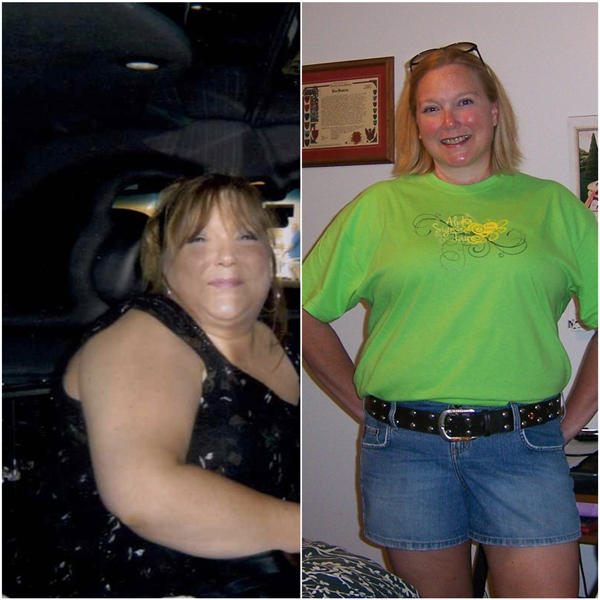
I’m not sure what caused it: whether it’s my years of sports playing goalie and catcher in high school or rugby in college. It could be the stress on my body from the extra 120 pounds of weight that I had less than a year ago. Maybe I’m just getting, dare I say it, … getting old??
The good news is I’m not in pain…yet. However, this could be the warning signs of something greater and as a health care professional I should not be ignoring things. I am considering taking some supplements to help lubricate my joints like I’m the tin man in the Wizard of Oz.
Read Full Post >