







Diets in Review - Find the Right Diet for You

body fat


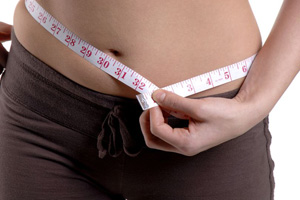
Being Skinny Fat Can be Just as Dangerous as Obesity

By Jenilee Matz

We all know it’s risky for your health to be overweight. Does that mean you’re in the clear for dangerous medical problems if you’re thin? Not so, say experts.

The Skinny on Fat

Dr. Jimmy Bell, a professor of molecular imaging at Imperial College in London, says, “being thin doesn’t automatically mean you’re not fat.”

Doctors say internal fat that surrounds vital organs – such as the heart, liver and pancreas – may be just as risky to your health as visible body fat.

Experts aren’t quite sure why internal fat happens without the presence of external fat. They believe people accumulate fat around the stomach area first, but sometimes the body may store it in other places. The amount of internal fat you have also seems to increase with age.


Read Full Post >


Skinny Gene May Mask Bad Health

People who seem to eat what they want, when they want, and still stay thin are the bane of many people’s existence who struggle with weight (or at least they are responsible for some mild resentment). However, just because you’re skinny doesn’t mean you’re healthy.

Scientists are now sending out a warning to thin people that being lean doesn’t mean you can be carefree with your health. The concern centers around a so-called “lean gene.” This gene keeps people slim but also masks signs of heart disease and diabetes, particularly in men.

What the gene does is reduce levels of fat under the skin. However, what’s left is dangerous tissue that surrounds the heart and other organs.

“We’ve uncovered a truly fascinating genetic story and, when we found the effect of this gene, we were very intrigued by the unexpected finding,” said Professor Douglas Kiel of the Harvard Medical School.
Read Full Post >


Ryan Reynolds’ Green Lantern Workout

If you are a woman like me, two words can make you instantly start salivating: Ryan Reynolds. For men, he is someone to be admired and envied because he has a body like a super hero, which is very convenient since he will be portraying one this summer when Green Lantern is released in theaters.

Reynolds first became known for his rock-hard six-pack when he appeared in Blade: Trinity. Since then, his weight has fluctuated a little bit, depending on what kind of movie he was acting in. When Reynolds is going to be in an action film, he really concentrates on building muscle tone. According to his personal trainer, Bobby Strom, Reynolds weighed in at “200 pounds and 8 percent body fat [when he is in an action movie, but for romantic comedies] he’s about 180 and 11 percent body fat.”

In order to get in such fantastic shape, Reynolds works out for 90-minutes, seven days a week. His workouts vary, based mainly on what his role in the next movie is.


Read Full Post >


Scientists Turn Bad Fat Into Good Fat

Scientists from the U.S. Johns Hopkins team have managed to turn bad white fat into good brown fat in recent experiments on rodents. This breakthrough could be a huge step in treating obesity if it were able to yield the same results in humans.

Brown fat is present in all humans during the infant years, but disappears as we age. Brown fat has been called the key to burning fat and could be a helpful way to control weight. When brown fat is lost in the body, it is replaced by white fat which has been called “bad fat” because it just sits. In their experiment, scientists were able to suppress an appetite stimulating protein called NPY. Through this suppression, the rodent’s appetite and caloric intake was reduced. This was the case even when they were fed a diet high in fat. An even more interesting development with this experiment was that the rodent’s bad white fat stores turned into good brown fat.


Read Full Post >


What Your Apple or Pear Body Shape Means for Your Health

Have you ever noticed that people carry weight in different parts of their bodies? Some carry it around their hips, resembling the shape of a pear, while others carry it around the middle, looking more like an apple. For quite a few years, having the shape of an apple has proven to be more of a health risk than a pear, but researchers have been unclear as to why people carry weight in different areas. But new research from the University of Edinburgh is helping to shed light on why humans don’t all carry weight in the same areas — and how the new knowledge can be used to help fight obesity.

Scientists pinpointed a protein known as 11BetaHSD1 that seems to indicate body shape. According to the research that was published in the journal Diabetes, apple-shapes tend to have higher levels of the protein than pear-shapes do. The protein is known to raise levels of hormones that are linked to obesity and is associated with an over-reaction in the immune system that results in unnecessary inflammation that causes damage to healthy cells.


Read Full Post >