Body Dysmorphic Disorder: Double the Risk of Suicide with Poor Body Image
Another risk for dieters has shown itself with body dysmorphic disorder. Researched published this spring shows that the chance for suicide in those with the disorder increase by 50 percent. The study, published in the journal Suicide and Life-Threatening Behavior, theorizes that because it takes a high pain tolerance to essentially starve oneself, that person also has the pain tolerance to undergo a painful suicide attempt. Researchers also reported that 25 percent of people with the disorder have attempted suicide and 75 percent thought their lives were not worth living.
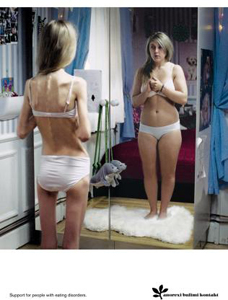
To have body dysmorphic disorder (BDD) means to have an obsession with a real or imagined flaw in one’s body image. This condition has long been known to be dangerous and life threatening. It’s also known as “broken mirror syndrome,” a reference to BDD sufferers’ tendency to stare at themselves in the mirror for hours agonizing over a small defect in their appearance. They often become somewhat delusional, for instance seeing great amounts of fat on their body where there is not.
Although gender stereotypes suggest that women are more likely to have this disorder, the gender ratio is fairly equal. Both men and women with BDD commonly see flaws with their facial features, skin, or weight. Patients sometimes seek to improve their appearance by extreme dieting, cosmetic surgery, or excessive amounts of exercise.
Read Full Post >


