Invokana is the newest diabetes drug to hit the market and uses an innovative mechanism to help control blood sugar for type 2 diabetes. Invokana, produced by Janssen Pharmaceuticals, will make a splash in the market as this is the first drug of its kind.

The statistic for this drug that I’m most interested in is the reduction in A1C percentage. Hemoglobin A1C is the percent of glucose that is bound to red blood cells. It also gives a three-month big picture of the patient’s control of their blood sugar. The higher the number the higher the person’s daily blood sugars will be; the goal is to be under seven percent. Trials have shown that Invokana has lowered A1C percent by approximately 1 percent over 26 weeks with a 300 mg dose and a 0.77 percent decrease with a 100 mg dosage. A one-percent reduction is approximately a decrease of 14 points on an average daily blood glucose reading. Lower blood sugars overall will prevent complications which can include blindness, renal failure and amputations.
Read Full Post >
By Emily Wade Adams, CNC for Natal-Nutrition.com
Nearly 10 percent of infants in the U.S. are overweight. As they get older, this percentage grows along with them: almost 70 percent of U.S. adults are overweight or obese. But weight gain is largely preventable – and prevention begins in the womb.
Mama-to-be? Keeping your blood sugar steady can prevent your baby from having an excessive birth weight. It can also help your baby stay lean throughout his life. High maternal blood sugar prompts the fetus to develop more fat cells, which can make it easier to become fat later in life.
Not only can your blood sugar levels affect your baby’s development, but they can also affect your comfort levels during pregnancy. Low blood sugar is associated with morning sickness, and high blood sugar may lead to pre-eclampsia or gestational diabetes (Hudson, 2008). Gestational diabetes, in turn, predisposes your baby to obesity, insulin resistance, and diabetes later in life.
Keeping your blood sugar stable is easier than it sounds – but it requires a little advance planning. Here are some tips to help you maintain a steady blood sugar level in order to protect you and your baby:
Read Full Post >
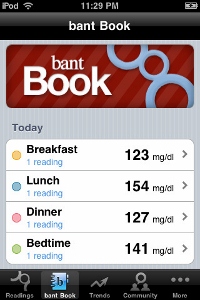
My life, like many others’, is centered around my iPhone. I can’t imagine my life without it. Web developers realize the increase in smartphone use could be helpful in managing diabetes and there are apps that can help diabetics count carbs and track their blood sugar trends. I reviewed a few of the free apps for the iPhone to see if they could be beneficial for diabetics.
Bant
This is a great starter app but there are definitely some limitations. It logs glucose readings but doesn’t indicate a before meal reading or post-prandial (1 hour post meal). These readings are the best for truly seeing how well the sugar is being controlled or how different foods can affect the blood sugar. It has the ability to upload your information to Twitter (#bant) and there is an online community for support and to share ideas. You can also upload your results to websites like www.healthvault.com so your doctor can see your trends at your next appointment. I think adding a medication reminder to help taking insulin or oral medications would be a useful tool to help people stay on track. Currently this app does not have nutritional information to help with tracking calories and carbohydrates.
Read Full Post >
Good news for people who don’t naturally gravitate to doing exercise: less can sometimes mean more in the way of health benefits. A new study has found that just 30 minutes of weekly high-intensity exercise is enough to lower blood sugar levels for 24 hours and help prevent post-meal blood sugar spikes in people with type 2 diabetes.
“If people are pressed for time – and a lot of people say they don’t have enough time to exercise – our study shows that they can get away with a lower volume of exercise that includes short, intense bursts of activity,” said the study’s senior author, Martin Gibala, professor and chair of the department of kinesiology at McMaster University in Hamilton, Ontario, in Canada.
The current recommendations by the American Diabetes Association are in line with most fitness experts – people with diabetes should get a minimum of 150 minutes of at least moderate exercise each week or about 30 minutes most days of the week. Since people often complain of not having time, the researchers wanted to see if shorter more intense exercise would also do the trick of controlling blood sugar levels.
Read Full Post >
The DASH diet, or Dietary Approaches to Stop Hypertension, can be used for patients with high blood pressure and is often recommended for diabetics because of the potential to lower their blood pressure. The diet has been shown to reduce blood pressure in as little as two weeks. Diabetics usually have blood pressure issues and are more prone to complications such as kidney disease. Diabetics are usually put on a blood pressure lowering drug called an ACE inhibitor that has protective properties for the kidneys.
The DASH diet consists of lowering sodium intake to less than 2400 mg per day, eating fresh fruits and vegetables and carbohydrate sources coming from whole grains. It also includes proteins coming from lean meats, fish and chicken, and moderate amounts of fats such as olive oil and nuts. The DASH diet has been endorsed by the American Heart Association, The National Heart, Lung and Blood Institute, and the Mayo Clinic. It also was used to form the new dietary guidelines.
Read Full Post >