


Beets have been on my “don’t ask, don’t tell” produce list for years. Their unsightly appearance and tendency to stain your hands a bright reddish hue has left me less than enthused about including them in my daily diet. Let’s put it this way: I’ve never enthusiastically asked anyone to “Pass the steamed beets, please!” 
However, in recent years upon discovering how nutritionally dense they are, I’ve changed my feelings about this winter root veggie and hope you will, too.
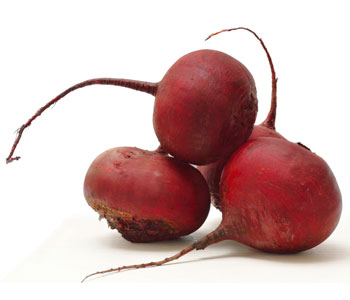
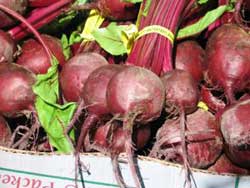
Health benefits: Beets – which come in red, gold and white varieties – are loaded with essential vitamins and minerals, including vitamins A, B1, B2, B6 and C. They’re also extremely high in fiber and nitrates, which are thought to help lower blood pressure and provide cardiovascular benefits.
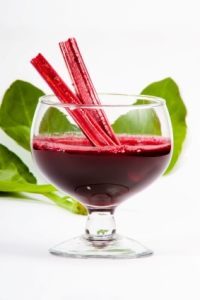
According to a 2010 study from Queen Mary University of London, a single glass of beet juice can lower blood pressure in a matter of a few hours and is also believed to help boost athletic performance.
Beets also contain betanin and vulgaxanthin – complicated names for phytonutrients referred to as betalains, which have been shown to have antioxidant, anti-inflammatory, and detoxification properties; this meaning they can help prevent heart disease and even certain types of cancer.
Read Full Post >
Matthew Kaplan is the Editor for FaveDiets.com, a free online resource featuring hundreds of free healthy recipes, healthy cooking tips and loads more. Be sure to check out FaveDiets on Facebook and on Twitter.
In my experience, beets are one of those love/hate food items that everyone has an opinion on. Either you love their sweet, uniquely earthy taste, or you despise these purple orbs like none other. I can see both sides of the debate. After all, my first gross-out experience with food was watching my father slurp down a bowl of cold beet borscht, a repulsive idea to my youthful sensibilities.
Thankfully, I have since learned to appreciate the distinct taste that comes with fresh beets. The sweetness is there (after all beets were once a trusted source of sugar), but so are so many different flavors. From earthy roasted beet chunks to silky and buttery beetroot slices, nowadays there isn’t a beets recipe that I will not try.
Read Full Post >
A few weeks ago, I decided to dust off my juicer that has been sitting in the back of my pantry for years. It was one of those things, you know, out of sight out of mind. There are positives and negatives to juicing… but to my mind, as long as you don’t look at it as replacing your fruit and vegetable servings, you are able to get much more variety and many more nutrients than most people would otherwise.
One vegetable that I just don’t incorporate into my diet is beets. For most of my life they have been one of the few foods that I have had an aversion to. Later in life, I started to occasionally put them on my salads when hitting a restaurant salad bar, but otherwise they are absent from my meals. Until now.
Read Full Post >
Athletes may be caught juicing with a new performance enhancing product soon. But this product is legal and it really is juice. Recent studies have been conducted with competitive cyclists and a somewhat foreign ingredient called beetroot juice.
Athletes in these tests were given the beetroot juice before a time trial. Multiple distances were timed and the cyclists who drank the complete beetroot formula were found to be over 2.5% faster than they were without the juice.
Beetroot juice is a natural source of nitrate. The nitrate ingredient is what is believed to be causing the enhanced performance. Nitrate widens blood vessels which lowers blood pressure and allows for more blood flow. Nitrate also reduces the amount of oxygen needed by muscles during activity. These two effects combined are the source for the improved performance of the cyclists in the research.
The cycling tests have surely sparked the interest of other athletes as well. If this natural and legal product can improve performance in one physical area, it seems plausible that it can help improve the performance of other activities as well. When dealing with sports, where seconds can mean the difference between second place or champion, beetroot juice may soon needs its own sports agent.
Read Full Post >
By Jessie Gorges
When you walk down the aisles of your local grocery store, you’re immediately bombarded with food advertising that promises to provide a healthier option. Certain brands make claims like: “20 percent less fat,” “fewer calories than other leading brands,” or “has a full serving of Vitamin C.” While these claims may be true, you never really know if you are picking out the best foods for you and your family. Shopping for the right food can really be a headache, but there are certain foods in all brands that will improve your diet.
Check out this list of foods that should be stocked up in your fridge or cabinets.
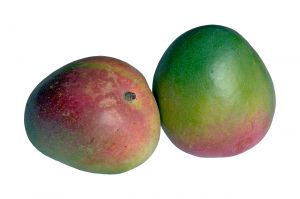
Mangoes: Throw them in a blender for a fruit smoothie, or eat them plain. Either way, this tropical fruit is rich in Vitamin E and could help lower the risk of Alzheimer’s and dementia.
Read Full Post >