

McDonald’s, Taco Bell, and Burger King announced they are officially dropping the use of Pink Slime in their food. Wait?! What? They were using something called Pink Slime?
Yes, not only were these major chains using the slime, but 70 percent of all the burgers in the United States contain the ingredient, too.
Pink Slime is the name given to ammoniated boneless lean beef trimmings. It’s an inexpensive beef filler. However, Pink Slime is unfit for human consumption until it is gassed with ammonia. McDonald’s and the other big chains are discontinuing their use of the slime after celebrity chef Jamie Oliver launched a campaign of criticism about the ingredient. Oliver brought the truth of the slime to the public’s eyes during his ABC television show Jamie Oliver’s Food Revolution. Oliver explained how the filler is cheaply sold as dog food, but after the ammonia gassing, it can be served to humans. One of the biggest frustrations about the slime is that it is widely used in school lunches.
Read Full Post >

By Kesley Murray
Parents of children who attend Georgia public schools can breathe easy after the U.S. Department of Agriculture recalled 40,000 pounds of ground beef products that were headed to school cafeterias. The meat was possibly contaminated with E. coli and came from the Palo Duro Meat plant in Amarillo, Texas.
Currently, the USDA is saying that they do not believe the ground beef had been served in any school lunches. The meat was being stored in two different warehouses in Georgia and had not been shipped to the six school districts that are associated with the National School Lunch Program.
Read Full Post >
Before you cook or grill that ground beef in your fridge for dinner tonight, beware. The USDA has recalled a whopping 60,000 pounds of ground beef due to possible E. Coli contamination.
So far the recall only focuses on the Southeast region of the United States, focusing on products sold mainly in Florida, Georgia, Alabama, Mississippi, Louisiana, South Carolina and Tennessee. The ground beef was supplied by National Beef Packaging Co. of Dodge City, Kan. and was sold in Winn-Dixie, Publix and Kroger grocery stores.
The USDA says that the tainted beef may be contaminated with E. coli 0157:H7 bacteria, a particularly troubling strain of E. coli. This strain of E. coli can cause bloody diarrhea, dehydration and, in the most severe cases, kidney failure. As with any foodborne illness, the very young, seniors and persons with weak immune systems are the most susceptible, according to the USDA.
Read Full Post >
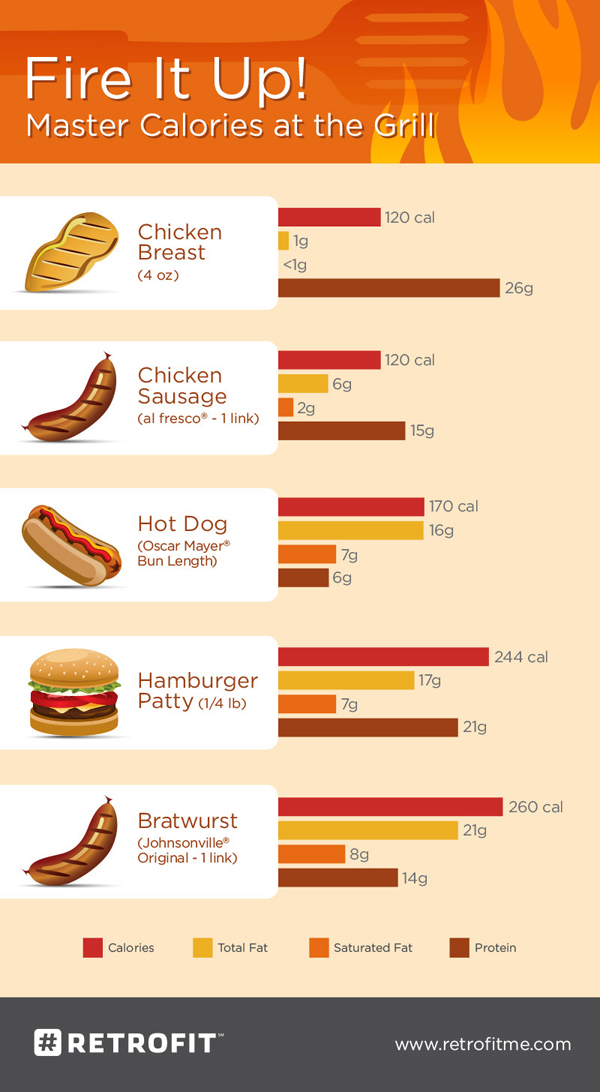
Hot dogs might not measure up to most gourmet fare, but they are a big part of some of America’s favorite pastimes. National Hot Dog Day falls on July 23, which is conveniently right in the middle of baseball and summer grilling season.
While you often hear that hot dogs are nutritionally unsavory, there are a lot of lighter options out there for anyone who wants keep things on the healthier side.
Whether you’re buying beef, pork, turkey, chicken or veggie hot dogs, you should always pay attention to whether or not the hot dog has added nitrites or nitrates. Once digested, nitrites and nitrates can form compounds that have been known to cause cancer. To make your hot dog meal healthier, you can serve it topped with fiber-rich sauerkraut, in a whole-wheat bun or alongside a full plate of brightly-colored fruits and vegetables.
However, if you want to avoid the nutritional trap of hot dogs entirely, you can look to five of our favorite healthier hot dogs to satisfy your cravings without an added helping of guilt.
Read Full Post >
In less than one year from now we could be reading the food review of the world’s first in vitro hamburger. Yes, you read that right.
As an answer to our globe’s growing population and increasing meat consumption, scientists in the Netherlands are very close to debuting their meat grown from stem cells of healthy cows. The scientists have been working to grow muscle tissue from a small number of stem cells they’ve extracted from the cattle.
As awkward as this process sounds, the researchers believe it’s going to be beneficial for the world. As the trends lead us to believe that the world’s meat consumption is expected to double by the year 2050, this man-made meat will be able to be produced without the need for livestock.
Read Full Post >