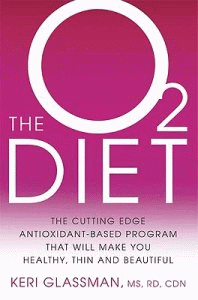
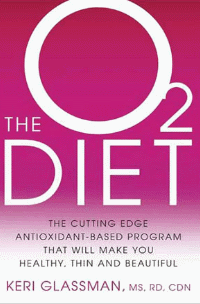
 Keri Glassman, R.D. is the author of the super-popular new book The O2 Diet and a nationally-recognized nutrition expert. For years Keri has been a leader in advancing a “whole person” approach to health and wellness. She is also the author of The Snack Factor Diet.
DietsInReview.com had an opportunity to interview Keri on her breakthrough plan that helps you lose weight and feel and look beautiful, inside and out. Here is what she had to say about her easy-to-do and incredibly healthy O2 Diet program.
Can you briefly describe what The O2 Diet is?
The O2 Diet is based on the ORAC (Oxygen Radical Absorbance Capacity) scale that measures how well a food protects against free radicals, which are the culprits behind many cancers, heart disease, and symptoms of aging. Consuming a diet rich in antioxidants has been linked to strengthening the memory, improving the skin, and aiding in weight loss. The O2 Diet is based on foods that will help you achieve your ideal weight and help you function better than you ever have. With the O2 Diet I am empowering you and giving you the tools to be your dietitian.
Why are antioxidants so important to our health?
Antioxidants are essential to our health because they help control the negative effects of free radicals on our bodies. Free radicals damage cellular structures such as DNA and cell membranes and this damage may cause cells to function poorly and mutate, which leads to many diseases and premature aging. Our body creates some antioxidants on its own, but we also need to get our antioxidants from the food we eat such as fruit, vegetables, nuts, grains, and even some protein sources like meats, poultry, and fish. This is where the O2 Diet comes into play.
(more…)



 .
.