







Although Snooki has publicized her weight drop while following the
cookie diet, she admits that her weight was once dangerously low. The Jersey Shore star is on the cover of the most recent edition of OK! magazine. In the cover story, she discusses the pressure she faced to be thin as a cheerleader and how she suffered from anorexia in high school.
“It started when I was a junior,” she said. “The reason I did it is because I was very self-conscious about cheer leading…There were these little freshman girls, and I was scared that these little freshman girls were going to take my spot.”
Read Full Post >
During World War II, Ancel Keys and the University of Minnesota conducted the most revelatory experiments to look at the consequences of human starvation.
For those who aren’t familiar with the study, its purpose was dual: to determine the physiological and psychological effects of severe and prolonged dietary restriction and the effectiveness of dietary rehabilitation strategies that would serve as a base to guide the Allied relief assistance to famine victims in Europe and Asia at the end of the war.
Its laboratory simulation of human starvation was controversial, but all of the 36 men selected for the study were willing volunteers, many of whom did the experiment as a way to make a meaningful contribution to the war.
Over the 24 weeks of the active phase of the year-long study, these men consumed an extremely reduced calorie diet to lose 25 percent of their body weight. The diet consisted of 1,800 calories and was comprised of the foods eaten during the war era, like potatoes, macaroni, turnips and dark bread. They were also instructed to expend 3,008 calories a day and walk 22 miles each week.
Read Full Post >
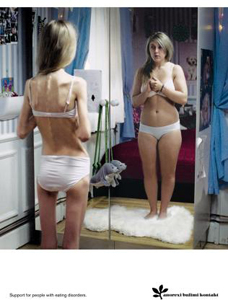
Incidences of anorexia have been increasing over the last several decades. Anorexia is destructive both physically and mentally. Up to 20 percent of sufferers die as a result of health complications created by malnutrition and low body weight or suicide. Those who develop anorexia can often be described as perfectionists, overachievers, or pleasers. Often highly self-critical, they may see themselves as inadequate, positive feedback from others. Verbal, physical, or sexual abuse are all risk factors for developing anorexia. Any negative parental influence or participation in activities that generally require slenderness can also contribute to the development of anorexia.
Read Full Post >
At Diets In Review, we take healthy weight loss seriously. The goal is a healthier life, not to be the skinniest person on the block. We want to be an inspiration of health, not thinspiration. When undertaken improperly weight loss can be as damaging to your body, or more so, than being overweight. Sadly, disordered eating patterns, obsessive exercising, and distorted body image affect many – more than 11 million people in the United States. Eating disorders are dangerous and life threatening. In fact, anorexia has a higher mortality rate than any other mental illness.
Read Full Post >
In many areas of the world, females are under immense pressure to be thin. This pressure is especially intense in Asia, where women always seem to be looking for ways to get skinnier. Experts say dieting in Asia tends to be more extreme than in the West, because of cultural perceptions of size. Asian men tend to be small. So, in order to feel masculine, they appreciate a woman who is even smaller than they are.
“The magic number is to be below 100 pounds, no matter your height or your weight,” says Philippa Yu, a clinical psychologist at the Hong Kong Eating Disorders Association. Often, women do not exercise to achieve this unrealistic weight, because of the perception that it will cause muscle growth, which is seen as masculine.
Read Full Post >