What’s for dinner is the most impossible question to answer on our best nights, but during the chaos and rush of back to school it feels nearly hopeless. Adjusting to new schedules and adding extracurriculars to an already crammed-tight calendar and you’ve got a recipe for another drive-through dinner.
This year, don’t sweat it. Put prioritizing dinner on your back to school list. Any of these dinners can be thrown together and in the mouths of your hungry family in 30 minutes or less. They’re also healthier meals you can feel good about serving. And in many cases you can eat them on the run.
We may not change how you see dinner as a necessary evil, but we can certainly take the devil out of the details!
Mexican and Southwest

Black Bean and Mushroom Quesadillas
For meatless Monday or exclusive vegetarians, hearty black beans and mushrooms melted together with cheese is simple and satisfying.
BBQ Chicken Tacos with Avocado Coleslaw
Fire up the grill and you’re only 30 minutes away from the best tacos ever! Buy pre-shredded coleslaw to really save prep time.
Mexican Stuffed Peppers – Barr and Table
These peppers use protein-rich quinoa instead of rice and can be prepped and served in just 30 minutes with on-hand ingredients.
Chorizo Nachos
Biggest Loser has a homemade chorizo recipe that tastes and looks like the real deal but is much better for you (just make it in advance).
Apple Sausage Quesadillas
The kids can practically make these themselves and will love every last comforting bite.
Classic Comforts
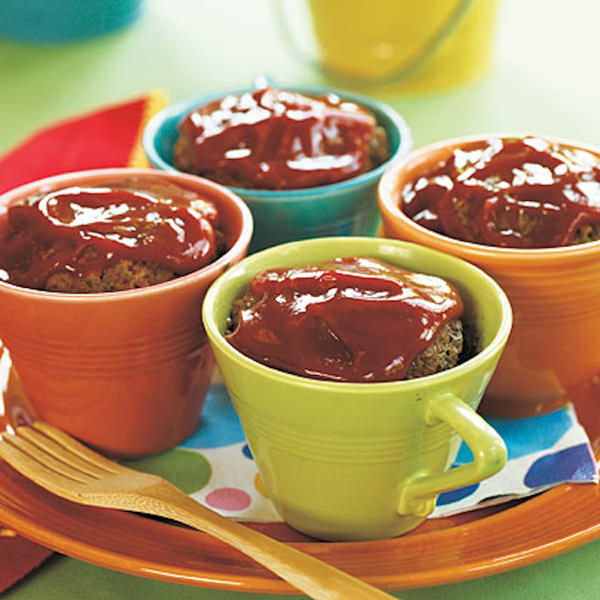
Meatloaf in a Mug – My Recipes
Individual meatloaves are made in minutes in the microwave. Not only are they adorable, but they practically make themselves.
Oven-Fried Chicken Tenders
This drive-thru favorite is better than ever when you use panko to get that crispy crunch the kids crave.
BBQ Pork Sliders
It takes only 30 minutes to roast a tenderloin, which you can then shred, toss in your favorite BBQ sauce, and serve!
Turkey Meatball Subs
The sandwich shop has nothing on our effortless meatball subs, made lighter with ground turkey. Serve in hot dog buns for tiny hands.
Pumpkin Chili
Chili in 30 minutes is possible. The pumpkin adds delicious nutrition without influencing the flavor much at all.
Sandwiches
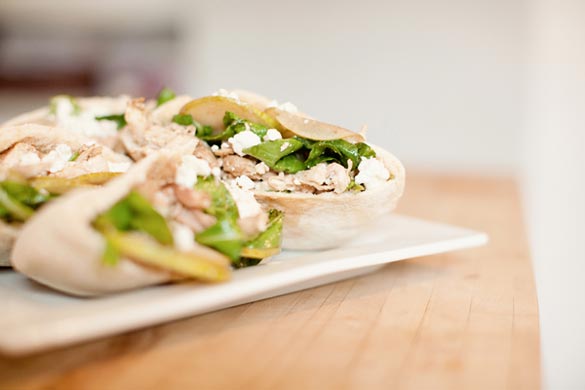
Mediterranean Chicken, Pear, and Arugula Stuffed Pitas – Fit Bottomed Eats
Our original recipe for FBE starts with a store-bought rotisserie chicken for the ultimate in hand-held, get-out-the-door meals.
Best Club Sandwich Ever
We use Applegate Farms ham, turkey, and bacon to craft a cleaner sandwich that’s finished with avocados and veggies.
Oprah’s Love Sandwich
This grilled panini sandwich presses turkey and cheese together for a super-quick, hot and ready dinner.
Almond Butter Banana Crazy
It doesn’t get any easier – we fold almond butter with banana slices and sprinkle a few dried cranberries.
Super Sloppy Joes – Meal Makeover Moms
This family favorite is made lighter with ground turkey and always gets two messy thumbs up from the kids.
Meals On a Stick
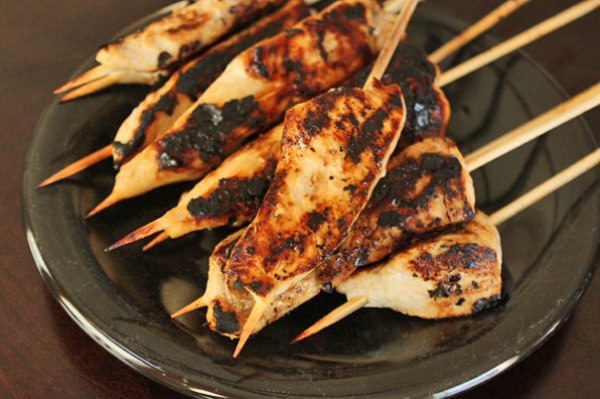
Maple Ginger Chicken on a Stick – Green Lite Bites
Make the marinade in the morning and dinner is literally minutes away when you get home. Roni says kids will eat anything on a stick!
Bayou Kabobs
Shrimp, sausages, and peppers take less than 15 minutes on the grill.
Fancy Fish Sticks
A Jillian Michaels creation that is super family friendly and way better than any frozen fish stick in a box.
Jalapeno Cheddar Burger Bite Kabobs
Hand-held burgers without the bun are stuffed with gooey cheddar cheese and a bit of jalapeno pepper for big flavor.
Stuffed Almond Butter and Jam French Toast Kabobs – Nibbles by Nic
It’s breakfast for dinner in a whole new way! You could even add bites of ham to the kabobs if you’re looking for more protein.
Pasta and Noodles
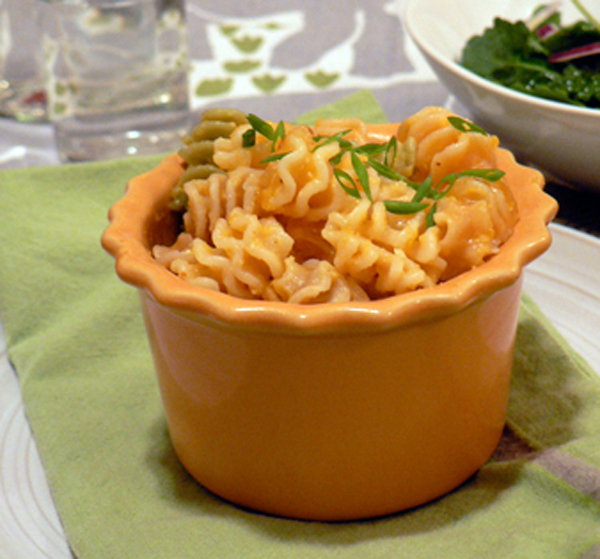
Butternut Squash Macaroni and Cheese
An Abra Pappa original that uses less, but higher quality cheese and a butternut squash puree for a kid-approved mac!
Creamy Avocado Pasta – In Good Taste
One of our very favorite 15-minute dinners. Prepare it meatless or top with shrimp.
Tomato Basil Alphabet Soup
A super simple homemade soup that easily fills thermoses for feel-good brown bag lunches all week long!
Spaghetti Squash with Fresh Tomato and Basil Sauce
It’s a no-noodle pasta dish and they’ll never know the difference! More nutritious and just as fast as a heap of spaghetti.
Spinach and Ricotta Ravioli – Picky Eater Blog
Turn a package of store-bought ravioli in to a quick and easy feel good dinner the kids will rave about!
Breakfast for Dinner
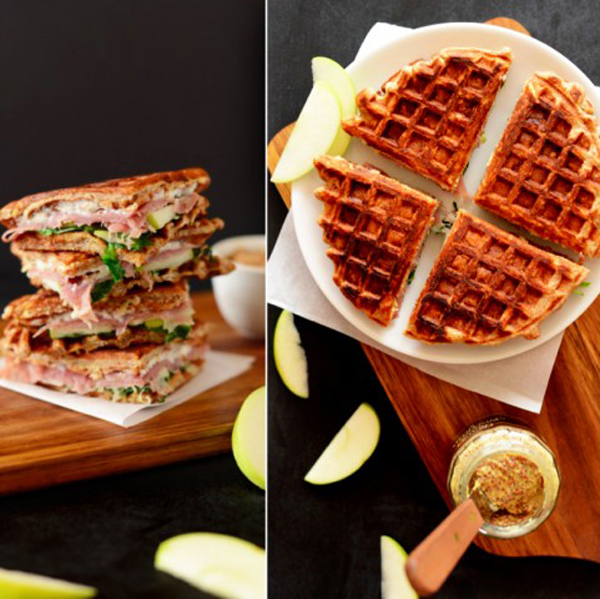
Prosciutto and Apple Waffle Paninis – HelloGiggles
If you’ve made the waffles in advance, or have frozen available, the prep time on these is dramatically reduced!
Pigs in Comforters
Biggest Loser’s Chef Devin Alexanders rolls all-beef hot dogs in buttermilk biscuits.
Cornbread Waffles – Edible Perspective
Prepare these heartier waffles with our oven-baked chicken tenders for a better take on chicken and waffles!
Egg and Kielbasa Sausage Pizza – Kid Friendly Home
The eggs form a breadless crust that holds kielbasa sausage, fresh herbs, and both cheddar and parmesan cheeses.
Carrot Cake Pancakes – Grimmway Farms
We crafted these using Grimmway’s famous baby carrots. Topped with cream cheese and walnuts, they’re quite satisfying.
Mediterr-Asian
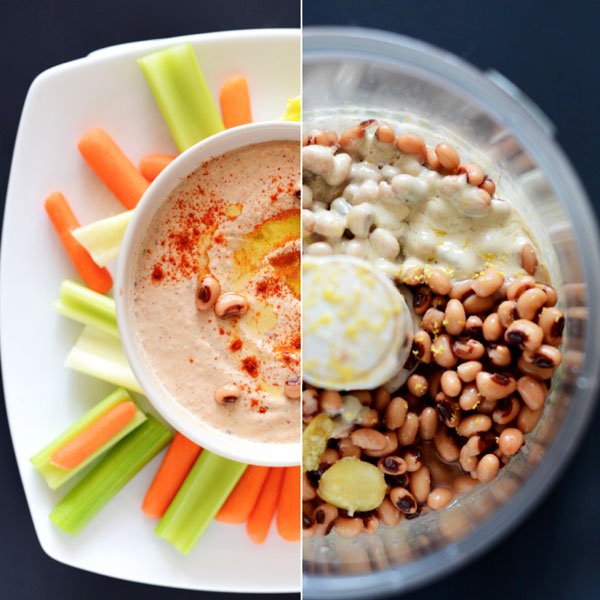
Black Eyed Pea Hummus
Our “new year” hummus will bring good luck to your pupils. Serve with warm pita and fresh veggies for an easy, filling dinner.
Crispy Pork Wontons
Another winner of a dinner from Chef Devin, these wontons bake up in minutes and are easily eaten on the go.
Mediterranean Fish Tacos – Food Network
A Rachael Ray original that takes only 30 minutes to prep and serve and offers a lighter, cooler meal for those hot and busy nights.
Chinese Potstickers with Turkey – Super Healthy Kids
If you’ve got about 20 minutes, a food processor, and a pot of boiling water, you’ve got time to make a super lean take-out-inspired meal!
Caprese Grilled Cheese
The grilled cheese is all grown up! We make it better with real mozzarella, fresh basil, and juicy tomatoes.

Keep it all organized! Download our FREE meal planner worksheets HERE!






 Take a stroll through your