







Diets in Review - Find the Right Diet for You

alzheimers


The Medicine Cabinet in Your Spice Rack

By Steven V. Joyal, MD, VP of Medical & Scientific Affairs at Life Extension.

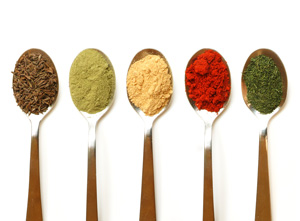
Spices add delicious flavors and tantalizing aromas to food, but many people don’t realize that spices offer a variety of beneficial, potentially lifesaving, health benefits. Consider your spice rack as a kind of natural medicine cabinet, and unleash amazing health benefits while you spice up your life with the following five spices!

Cinnamon: Derived from the bark of the tree bearing the same name, cinnamon is high in antioxidant activity. Clinical studies show beneficial changes in blood sugar control in patients with type 2 diabetes dosed with cinnamon spice from one to three grams daily. Experimental research suggests that cinnamon may reduce the likelihood that cells in the colon undergo cancerous changes. Essential oils of cinnamon have antimicrobial activity, too, and this helps provide a scientific basis for cinnamon’s traditional use as a natural treatment for diarrhea.


Read Full Post >


Top 10 Foods for Better Brain Health

Michael Gonzalez-Wallace is the author of Super Body, Super Brain. You can read more from him at www.superbodysuperbrain.com or pick up his book Super Body, Super Brain.

Who doesn’t want to get smarter? Who wants to look better or be healthier? Many recent studies have shown how specific nutrients have positive effects on the brain especially in those areas of the brain related to cognitive processing or feelings and emotions. Generally speaking, you want to follow a healthy diet for your brain that will lead to good blood flow, help maintain mental sharpness and reduce the risk of heart disease and neurodegenerative diseases such as Alzheimer’s and dementia.

We know how foods play a great role in our brain. This is the conclusion of several studies led by a phenomenal neuroscientist at UCLA, Gomez Pinilla.

According to one study, the super fats your brain needs most are Omega 3 fatty acids. Your brain converts them into DHA (docosahexaenoic acid) which enhances neuronal communication and promotes neuronal growth.


Read Full Post >


New Alzheimer’s Therapy Gives Patients What They Want

By Jessie Gorges

Alzheimer’s patients, to put it delicately, can be difficult. Take Margaret Nance. The 96-year-old, stricken with Alzheimer’s, would often hit staff members and refuse to eat at her previous nursing home. That was until she moved to Beatitudes nursing home, located in Arizona.

Patients are given whatever they want at this non-traditional nursing home. Whether it be a candy bar or a cocktail before bed, “whatever your vice is, we’re your folks,” said Tena Alonzo, director of research at Beatitudes.

No doubt, this nursing home is unlike any other. Giving into the patients’ wishes is not a common procedure at other homes.

“The state tried to cite us for having chocolate on the nursing chart,” Alonzo said. “They were like, ‘It’s not a medication.’ Yes, it is. It’s better than Xanax.”


Read Full Post >


Seniors Use Hip Hop Dancing to Stay Active

Dancing is a great way to let loose and work up a sweat, but for a group of senior citizens, hip hop dance is their way of staying young and healthy.

I have no doubt that some of you are skeptical. Leslie Alison, coach and choreographer, says her elderly students master all the same choreography as people half their age. She takes a lot more time with her elderly classes to provide them with more opportunity to learn and, of course, ensure that no one gets hurt.
Read Full Post >


Walking Wards off Mental Decline as We Age

Fitness experts have long told us that regular exercise, like walking, is a smart thing to do, but according to new research, that may be true in a much more literal sense.

According to a new study, walking may ward off mental decline and dementia. The researchers asked about 300 healthy people from 70- to 90-years-old to record how many blocks they walked in a week. Nine years later, the researchers took high-resolution brain scans of the volunteers and found that the more those people walked at the beginning of the study, the greater their brain volume.

The researchers did some follow-up about four years later and found that people who walked six to nine miles a week had half the risk of developing memory problems.
Read Full Post >