Any healthy diet should include a rich variety of foods from all groups to ensure you’re giving your body all of the nutrients it needs. Bob Greene, creator of the Best Life Diet, recommends these five Super Foods. He says while all foods provide vitamins and minerals, these little gems should appear on your plate as often as possible.
1. Olive Oil
Ditch your old cooking oil and switch to Olive Oil. It can raise the good cholesterol and lower the bad cholesterol, has a light and delicious flavor and can be used to cook nearly every meal you make. Request your food be cooked in olive oil at restaurants.
2. Soy
Countries like the U.S. who eat an animal-fat rich diet are more likely to have cancer. Soy is an ideal source of protein, is easy to prepare and can take on the flavor of anything you want. Best of all, it can decrease your chance of heart disease or cancer.
3. Mushrooms
Grill them, bake them, put them in a soup, pasta, salad or kabob- any way you slice them, mushrooms are good to eat and good for you. They are packed with antioxidants, potassium and Vitamin B.
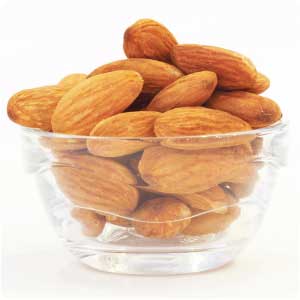
4. Walnuts, almonds and nut butters
While the calorie count might be high in nuts, they offer healthy fats, protein and fiber. Eat a handful of nuts as a snack or enjoy an almond butter sandwich for lunch. You’ll be amazed at all the nutrients such a small food can provide.
5. Eggs
The egg is one of the most versatile foods and has been one of the most controversial. No longer is the egg our enemy. Eggs promote eye health, contain 6g protein, 9 amino acids and 5g of “good fat”, actually work to prevent stroke and heart disease and provide Vitamin D.
Learn more about Super Foods from the original Super Foods list from Dr. Steven Pratt.