

Though many people don’t realize it, stress symptoms have a negative impact on your health. In the short-term, stress can cause fatigue, gastrointestinal discomfort and headaches, among other ailments. Over the long-term, stress can make you susceptible to more severe conditions like high blood pressure, heart disease and even some cancers.
While stress management is a powerful thing, not everyone has time to devote to techniques that have been proven to help, like yoga and meditation. Luckily, you can manage some of your stress with what you eat. When people think of eating to combat stress, they often think of comfort foods that are not typically very nutritious: ice cream, macaroni and cheese and calorie-laden mashed potatoes.
Luckily, there are a variety of healthy foods – even super foods – that can help your body manage your stress levels and help you prevent feeling the stress – physically and mentally.
Read Full Post >
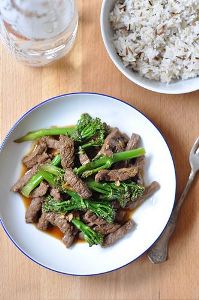
Asian-inspired food sometimes gets a bad rap for being high in sodium, calories and fat. While it’s true that an order of General Tsao’s Chicken might not be so scale-friendly, making your own Asian-inspired dishes at home is a great way to consume more antioxidants and nutrient rich vegetables, including carrots, onions, bell peppers, and garlic, all foods that work together to keep your arteries healthy.
In most stir-fries, vegetables take center stage but by including a moderate portion of flank steak (3 ounces per person) in this recipe, you’ll also be serving up a healthy dose of protein and iron.
Read Full Post >
It’s important for everyone to get enough calcium, but women are especially at risk for calcium deficiency, which can lead to osteoporosis and decrease bone health later in life. Even though there is calcium in many of our favorite foods, it can still be difficult to meet the recommended daily allowance for the important mineral.
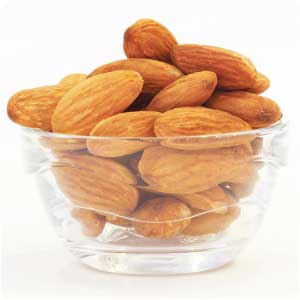
Dairy products provide calcium, but people with dairy allergies, lactose intolerance and vegans need to look to other food sources to fill their calcium needs. Foods high in calcium include: almonds, broccoli, spinach, cooked kale, canned salmon with the bones, sardines and tofu.
Read Full Post >
Got milk? What about chocolate soy milk? Or vanilla almond milk?
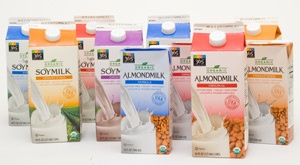
I love almond milk, and while I’ve been a devotee of Blue Diamond’s unsweetened vanilla almond milk, Whole Foods’ new refrigerated line of soy and almond milks are giving my usual stand-by some stealth competition.
Made from flavorful American-grown organic almonds, the new 365 Organic Everyday Value Almond milk is the first-ever private label organic refrigerated almond milk. (There is also a shelf-stable version, if you prefer.) Naturally free of saturated fat and cholesterol, Whole Foods Market’s Almond milk contains as much calcium and Vitamin D as dairy milk and is an excellent source of Vitamin E. The new line boasts a fresh, rich taste that comes in Original, Vanilla and Unsweetened flavors.
Read Full Post >
September is National Cholesterol Awareness Month. And while you should be aware of your cholesterol levels and what affects them every month, it doesn’t hurt to give it a little extra attention now and again.
First, it’s a good idea to know what constitutes healthy and unhealthy cholesterol levels. The American Heart Association has an established range for your daily cholesterol intake:
- Less than 200 mg/dL is considered healthy.
- 200 to 239 mg/dL is borderline high cholesterol.
- 240 mg/dL and above is an unhealthy cholesterol level.
Many foods can contribute to an increase in your unhealthy cholesterol levels, but what you may not know is that some foods actually have the opposite effect. Yes, instead of medications and supplements, sometimes actual natural nourishment is the solution.
Read Full Post >