



The most recent goal Jennifer had in her weight loss journey was to get down to the weight printed on her driver’s license. In the past month, she accomplished that. She’s now three pounds under her license weight and says “I really need to go get a new driver’s license.”
She’s doing a lot of things right in her weight loss, which we’ve been following since summer. For one, she’s not on a diet. She’s establishing healthy habits that are helping her achieve one goal at a time (which is one of the healthiest habits of all when losing weight). Setting small, manageable goals helps you enjoy achievement all along the way, rather than feeling like you’re pursuing something that, for many, will takes months and even years to achieve.
Since the start of her journey in February of this year, Jennifer is down a total of 44 pounds, currently weighing in at 257 pounds. She’s down from a size 26 to a size 22 and has bought a few new clothes. She admits to still ordering things online, but is pleased with how they definitely fit when they arrive.
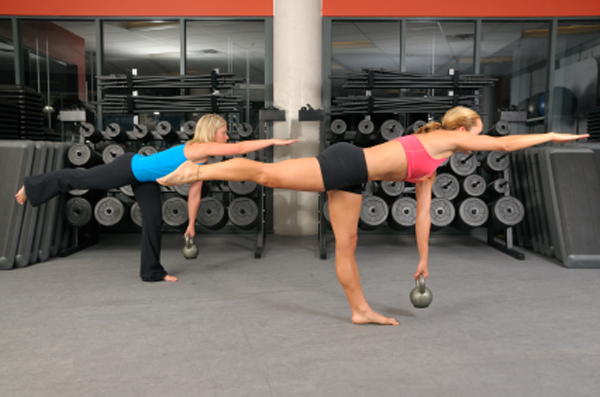
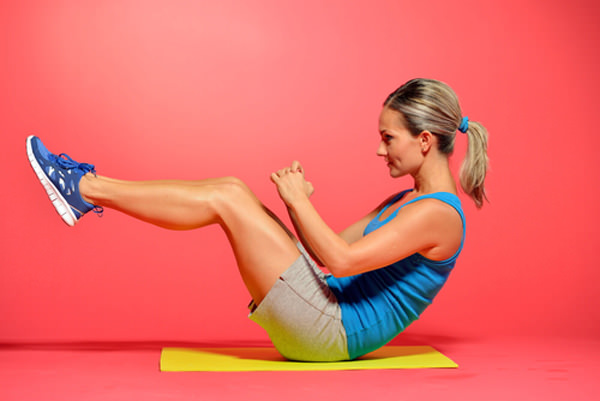
She’s also celebrating what she called a breakthrough this past month. “I did spiderman planks!,” Jennifer bragged. “It’s a big deal to me!” She talked about not being able to do them at all before and now she can hold one for 20 seconds.
Read Full Post >
By Elizabeth Magill
Dealing with an injury that requires rest–no matter for how long–can seem like an eternity. If you’re fitness-conscious as well, you’ll be concerned about staying in shape during your recovery. According to the International Association of Athletics Federations you can do it by focusing on strength, balance, flexibility, and endurance during your downtime.
Here are 10 tips to help you stay fit while recovering.
1. Start with R.I.C.E.
If your injury is sports-related, a sprain, strain, knee injury, fracture, dislocation, or an injury of the Achilles tendon, treatment should begin with the R.I.C.E. method, an acronym for rest, ice, compression and elevation. R.I.C.E helps to reduce swelling and relieve pain, especially during the early phase of the injury. The R.I.C.E. treatment also helps your injury heal faster, enabling you to get back to your previous fitness regime more quickly.
2. Communicate with your doctor
Whatever exercise you do, do it under your doctor’s supervision. Your physician will keep you apprised of what you’re ready for, and what you need to hold off on, so that you don’t re-injure yourself.
3. Listen to your body
In addition to listening to your doctor, listen to your body. It will let you know when you’re exercising too much or pushing too hard. Overdoing it can hinder your ability to stay in shape while recovering from an injury.
Read Full Post >
When former professional dancer Carrie Ekins’ body was sidelined to due hip surgery and a wheel chair, her creativity kept flowing. Being restricted to arm and hand exercises only, Ekins randomly began hitting boxes in her basement. This odd development has lead to a new workout trend, Drums Alive.
Eventually Ekins grew strong enough to stand once more and moved from basement boxes to exercise balls, drum sticks, and a variety of upbeat music. Drums Alive was created and found to be more than just a a workout for fitness. Hitting the exercise balls produces immediate stress relief for starters. However, the seemingly primitive routines can also improve coordination. As drumming engages both the left and the right hemispheres of the brain, coordination can be boosted. And finally, current studies have noted that drumming can contribute to increased immune functions along with improved moods and creativity. That’s a lot of punch for one workout session.
Read Full Post >
Historically known as the “sport for a lifetime,” tennis can be played by just about anyone, at any stage of their fitness journey. It’s a sport that can be both fiercely competitive and completely relaxing. But what are some of the benefits to the player?
- Tennis is a highly aerobic sport that burns more calories per hour than aerobic classes, cycling or skating. Men can burn over 500 calories in an hour of game play and women more than 400.
- Because it requires alertness and tactical reasoning, it may generate new connections between nerves in the brain. This, according to scientists at the University of Illinois, will promote a lifetime of continuing development of the brain. We all know that brain development is a very good thing!
Read Full Post >