

Popular topics:
Diet News, Diet Reviews, Diet Shows, Diet Tips, Diets in Review, General

Author Archive for Kinsey

1

Refined, Enriched, Whole-Grain: Understanding What These Words Mean

Welcome to Diets in Review! If you're new here, you may want to subscribe to our RSS feed. Thanks for visiting!

While you’re in the store doing your grocery shopping, you go down the aisle and notice the words refined, enriched, and whole-grain written on grain products. These words describe the milling and making process of grain products and each term has different nutrition implications.

Let’s break it down.

Grains have three different key parts:

  • Bran- outer protective coating, which is rich in fiber and nutrients
  • Germ- seed that grows into a wheat plant, so it’s especially rich in vitamins and minerals to support new life
  • Endosperm- contains starch and proteins

grains

Quick definitions:

  • Refined- foods lose many nutrients during processing
  • Enriched- products have had some nutrients added back
  • Whole grain- products that are rich in fiber and all nutrients found in the original grain

What makes whole-grain products so nutritious is that they contain much of the bran, germ, and the endosperm.  The difference between white and wheat flour is significant - white bread is wheat bread stripped of all its naturally occurring nutrients.  Whole grains haven’t had the bran and germ removed by milling, making them better sources of fiber.  Whereas refined grains (white rice or flour) contain only the endosperm because they are stripped of the bran and germ.  These items are then enriched by adding vitamins and minerals back after the milling process, but they still don’t have the nutritional value or the fiber that whole grains contain.

It is recommended that at least ½ of the grain products you eat be whole-grain (common range is 3-5 servings).  When purchasing these items, the word whole-grain needs to be listed first or second on the ingredients list.  On the ingredient list, if whole-wheat flour is followed by enriched flour, niacin, and iron then it’s not the healthiest choice.  This is confusing because it is whole wheat, but it is not whole-grain - it came from the wheat plant and it’s all wheat, but not all grain.

*Meaning, whole-wheat options are a good choice, especially over white/enriched grains, but whole-grain products are the best and healthiest option.

whole grain bread

What counts as a serving?

  • a half cup of cooked brown rice, whole-grain pasta, or other cooked whole-grains
  • a cup of 100% whole-grain cold cereal
  • a slice of 100% whole-grain bread
  • a product containing at least 16 grams of whole-grain ingredients

Along with fruits and vegetables, whole-grain products provide disease-fighting fiber, antioxidants, and phytochemicals as well as B vitamins, vitamin E, magnesium, and iron.  Whole-grains have been proven to reduce the risks of obesity, diabetes, cancer, stroke, and heart disease.  Also, fiber is great with weight loss and maintenance because a high-fiber diet tends to make a meal more filling so you stay full for a longer amount of time; therefore you eat less and take in fewer calories.


5

Spinach and Iceberg Lettuce Will be Treated with Radiation

Recent approval by the government (FDA) will allow food producers/processors to use radiation for the first time to kill bacteria in spinach and iceberg lettuce.  The radiation process will zap the lettuce to kill off E. coli, salmonella, and other harmful germs to help decrease or eliminate the likelihood of ingesting potentially, life-threatening contaminated food.spinach

Meats, particularly ground beef, have been treated with radiation for years, but food companies and consumers are somewhat weary of how this will affect the quality of the lettuce.  Some feel the texture will be limp and not as crisp, while others think it could zap out its beneficial nutrients.  The government stays firm and believes the quality of the lettuce will not be compromised and all the vitamins and minerals will stay intact.  The FDA’s decision statement agreed stating that “irradiation will not have an adverse effect” on the nutritional makeup of lettuce.

Some consumers are skeptical about using radiation to control outbreaks and feel that something should be done locally, at the farming level, rather than at the processing step.  Some people feel as though there should be tighter regulations for the farmers to follow in order to eliminate contamination issues, stating that “irradiation is not a remedy for unsatisfactory production practices.”  Caroline Smith DeWaal, food safety director for the Center for Science in the Public Interest, expressed that there isn’t much concern about the safety of irradiated foods,” but feels as though “there are simpler steps that can be taken.”  Another specialist was quoted saying “irradiation is a costly end-of-the-line technology, which should be accompanied by safer produce handling measures at the farm level.”

You be the judge, how do you feel about this?


0

Keeping a Food Journal for Weight Loss is Beneficial

The idea behind keeping a food journal is making yourself keep track of exactly how many calories you are taking in.  The more detailed you keep this food journal the better.  Being very detailed is noting everything, i.e. instead of writing down sandwich you should write two slices of bread, two slices of turkey, one slice of cheese, ½ tbsp mustard, two slices of tomato, four cucumber slices, and ¼ cup lettuce.

food journalIn this food journal you should write down the food you are eating, what time you’re eating, the exact portion/amount you’re consuming, and the amount of calories and fat you’re taking in.  It also would be a good idea if you noted if you were eating alone or with someone else, the mood you were in or how you are feeling, the total amount of time it takes for you to eat, and if you’re doing something else while eating (watching tv, reading, on computer, etc.).

Studies show that people who stay dedicated and keep track of a detailed food journal lose more weight and actually maintain the pounds lost.  Food journals make you responsible for really observing what you are putting into your body.  Food journals provide you with evidence that cutting calories and choosing healthier foods really do translate into weight loss.

Also, you may find it beneficial if you write yourself a goal to obtain each week after looking back at previous journal entries.  An example could be, you notice that you are only eating two servings of veggies at dinner, so you decide to incorporate at least one more serving of vegetables everyday at lunch.

Keeping a food journal can feel tedious and time consuming, but if you stay dedicated and really put forth the effort to maintain one, you will truly benefit by losing those unwanted pounds and keeping it off!

Keeping your food journal can be as simple as a notebook and pencil, or you can consider using one of the many food journal products available. Check out these reviews to learn more:

FitDay
Diet Power
Weight by Date
Sensei
Diet Bug!


0

Basics on Food Storage Safety to Avoid Illnesses

Whether you’re putting food away in the refrigerator or freezer, you need to take caution to prevent foodborne illnesses. These illnesses are caused by microorganisms such as Salmonella, E. coli O157:H7, and C. botulinum.  Keeping foods chilled at proper temps is the best way to prevent or slow the growth of these bacteria.

food storageBasic Food Storage Tips

1. Keep appliances at the proper temperatures.

2. Make sure you are checking your appliances temps regularly and that they fall in the desired range.
Refrigerator temperature should be at or below 40° F (4° C)
Freezer temperature should be 0° F (-18° C).

3. Check storage directions on labels.

4. Most people think that only dairy or meats need to be kept cold, but don’t forget about condiments (i.e. mayo and ketchup) because most of these need to be placed in the fridge after opening.  If in doubt that you haven’t stored an item properly, it’s usually best to throw it out. Don’t chance it, you could get really sick!

4. Perishables need to be placed in the fridge or freezer right away. Stick to the “two-hour rule”.

5. Foods should not be left out at room temperature for any longer than two hours, or if the air temperature is above 90° F, it’s recommended to only have the food out for one hour.  This rule applies to all food, even take-out!

6. Don’t crowd the refrigerator or freezer.  When putting food away, it is important to leave space for air to circulate.

7. Use ready-to-eat foods as soon as possible. Refrigerated ready-to-eat foods (i.e. lunch meats) need to be eaten as soon as possible.  This is because the longer they’re stored in the fridge, the more likely bacterium that causes food borne illness can grow.

8. Keep an eye on your food, throw out spoiled food. If it looks or smells different and suspicious don’t take a chance, go ahead and throw it out.

Food safety is in your hands.  Practice these simple rules and help keep yourself safe and minimize your exposure to potential harmful and life-threatening illnesses.


2

Top Reasons to Eat Fiber

We’ve all heard that fiber can be beneficial for weight loss and overall health. But what’s the big deal? Here are five reasons eating your recommended fiber every day is good for you.fiber

1. Fills you up. Eating fiber helps keep you full and minimizes those frequent cravings/hunger occurrences.  Due to fibers ability to promote satiety, it helps in weight loss/maintenance.  If you eat fiber rich foods (fruits, vegetables, and whole-wheat products) you can curb your hunger and feel satisfied.

2. Keeps you regular. Eating fiber has been shown to play an important role in keeping the digestive system running smoothly. Fiber serves as an bulking agent, which helps move food through your digestive tract.

3. Heart Health. Fiber, especially soluble fiber, has been linked to reducing your risk of heart disease by lowering blood cholesterol levels.  This happens because fiber interferes with cholesterol during absorption in the digestive tract.

4. Diabetes. Whether trying to prevent or living with diabetes, consuming a diet high in fiber-rich whole-grains, fresh fruits, and vegetables has been shown to help diabetics manage their blood sugar and cholesterol levels.

5. Prevent Cancer. Finally, a high fiber intake has been shown to prevent cancer, mainly due to promoting regularity, which in tern keeps your digestive system healthy and frequently moving.

The best way to guarantee you are consuming the recommended 25 grams of fiber you need daily is to eat as many fruits, vegetables, and whole-grains you can handle!


2

Is Bacon a Healthier Choice than Tilapia?

This headline drew much attention after Wake Forest University conducted a study and concluded, “the inflammatory potential of hamburger or pork bacon is lower than the average serving of farmed tilapia.” Well first off, this does not make me want to jump up and start consuming bacon in place of fish because bacon is incredibly high in sodium, fat, and calories.  baconHowever, the information in this study did bring up a good point… that not all fish is created equal in terms of being the most nutritious choice.

Basically what this study did was look at different types of fish and examine the amount of omega-3 and omega-6 fatty acids present.  Omega-3, which is present in most fish, has been proven to have very beneficial effects on heart health (showing anti-inflammatory effects), and where as omega-6 is needed in certain proportion to omega-3, too much omega-6 has been linked to being a pro-inflammatory (inflammation/pro-inflammatory is not good for your heart!).

Fish such as salmon, bronzini, and farmed trout are very high in omega-3 whereas tuna, grouper, and snapper do not provide a significant source.  Certain fish, including farmed catfish, tilapia, and salmon are rich in omega-6; more importantly are high in arachidonic acid (pro-inflammatory omega-6).  Tuna, farmed tilapia, and farmed catfish, three of the most commonly eaten fish, actually contain more omega-6 than omega-3 fatty acids.

While conducting this study, the researchers found that some of the tilapia sampled contained more arachidonic acid and less omega-3 than bacon or hamburger.  The biggest thing to pull from these findings is being skeptic about buying farm raised fish; it is very likely that their feed could be responsible for the increased omega-6 occurrence.  From all my readings and research, I highly recommend buying “wild” fish and avoiding all “farm-raised” fish.

tilapiaAlthough bacon may be lower in arachidonic acid, it is definitely higher in sodium, fat, and calories versus fish/tilapia.  I have said before and it has been clearly proven time and time again, that a high calorie and fat intake directly correlate to heart problems and disease (with an increase in inflammation).

So, I recommend sticking with fish, because it is a great source of high quality protein and fewer calories then bacon, but try to buy “wild” fish.  If you want to eat bacon, please limit the amount you eat and try to only eat it on occasion.


2

How to Eat Like an Olympian

Well let’s face it… we will never need to eat exactly like an Olympian unless we’re training like one, because their calorie needs are probably higher than what we need. However, an Olympian’s diet, for the most part, is ideal believe it or not, but it boils down to making good nutritional decisions. For an Olympian, healthy eating is a lifestyle. They view food as a fuel, rather than an obsession.

Key components to an Olympian’s diet:

olympic rings

  1. Don’t skip meals. This includes breakfast! It’s important to eat healthy and regularly. In doing so, you are providing your body with the energy and nutrients that are needed for optimal health and weight maintenance.
  2. Variety, variety, variety! Don’t allow yourself to get into a rut, which may end up causing you to snack on your junk food of choice. If you have a craving for chips, cookies, or chocolate, allow yourself to indulge. If you constantly pass on temptation, then the day you do take a bit of the cookie you may end up eating the entire bag because you had restricted yourself for so long. Eating cookies on occasion isn’t the worst thing in the world.
  3. Pick nutrient dense foods. Try to avoid empty calories. You want to provide yourself with nutrient packed foods. This will provide you with vitamins, minerals, and you’ll find them more filling and satisfying.
  4. Limit fat, but do not avoid it. The right kind of fat is important for optimal health. Try to minimize the amount of trans and saturated fats you eat and eat more mono-unsaturated fats.
  5. Choose whole-wheat, whole-grain. Whole grains provide you with fiber, which is great for your health!
  6. Go lean with your protein! Try to minimize the amount of red and high fat (i.e. pork) meats you eat and switch to more lean sources, such as fish, chicken, and turkey.
  7. Limit or avoid alcohol. Alcohol in moderation (one drink a day) has been shown to provide you with some health benefits. However, excessive alcohol consumption has been proven to take a toll on your body and health.
  8. Fill up on fruits and veggies. Fruits and veggies are the original fast food! They are easy to carry with you and are the true definition of a nutrient-dense food.
  9. Include dairy. Pick low-fat or fat-free dairy choices.

Eating like an Olympian boils down to eating healthy and making it your way of life, not just a fad to drop a few pounds.


0

These Foods Pack a Mighty Punch of Antioxidants

Antioxidants work wonders in your body!  In our body, we have unstable, harmful molecules known as free radicals that, if left in this unstable stage, can cause severe damage to cells and can eventually lead to serious health complications like cancer, heart disease, etc.  Antioxidants help stabilize these free radicals, thus preventing damage in the body.  Most well know antioxidants include: vitamins A, C, E, beta-carotene, lycopene, and selenium.  The best way to guarantee you are receiving these powerhouse antioxidants is by eating plenty of fruits and veggies.  A good thing to remember is to eat the colors of the rainbow… eat fruits and veggies in every color of the rainbow.  This will ensure you are receiving all the antioxidants your body can handle.

Examples of antioxidant food sources

antioxidants

Vitamin A and Beta-carotene
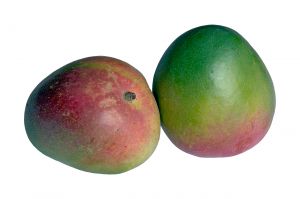
Food sources: fortified cereals, broccoli, carrots, tomato juice, beef liver, sweet potatoes, mango

Vitamin C
Food sources: bell peppers, oranges, strawberries, tomatoes, green leafy veggies, kiwi, broccoli

Vitamin E
Food sources: fortified cereals, nuts, seeds, oils, green leafy veggies

Lycopene
Foods sources: tomatoes, tomato processed foods, watermelon, grapefruit

Selenium
Foods sources: Brazil nuts, meats, tuna, eggs, fish

Make it a point to eat plenty of fruits, veggies, and whole-wheat.  This will help guarantee you are getting plenty of nutrients and the antioxidants your body needs!


2

Start your day off right…eat breakfast!

Breakfast, that word says it all… you are breaking the fast.  You wake up and it’s been 7-9 hours (or longer) since you have eaten a meal.  Why is breakfast so important?  Well your brain runs on glucose for energy which allows you to function and do your normal daily routine.  If you skip breakfast and don’t eat until lunch, you are going way too long and putting unnecessary strain on your body.

Since there is no glucose for energy, your body is working extra hard using stored glucose or breaking down protein or fat into a useable form for energy.  Your body is doing all this hard work while you are trying to perform 100% at work or school.  That’s a lot to ask!  Eating breakfast has been proven to improve mood, memory, concentration, and mental performance.  You and your children are at a disadvantage if you skip out of breakfast.

breakfastEating breakfast also helps with weight loss and weight maintenance.  By eating regularly you are providing brain fuel and energy, jump starting your metabolism, and you can sensibly and reasonably think about your meals because you aren’t starving and trying to devour the first thing you can get your hand on.

A common excuse for not eating breakfast is “not having enough time.”  There are ways to get around this excuse:

  • Wake up 10 minutes earlier
  • Have plenty of healthy breakfast options around the house
  • Prep the night before.  Try to prepare as much as you can the night before (pre-cut fruit, pre-bag cereal, etc.)
  • Have easy to grab and go options (yogurt, mini box cereals, fruit, granola, etc), but taking caution to avoid pastries, sweetened cereal bars, and toaster strudels.

Another excuse is “I’m not hungry.”  Ways to overcome this are:

  • Take your grab and go options with you and eat them in the car or once you get to work/school
  • Wake up earlier and get moving earlier
  • Make it a habit… wake up and eat.  In doing so you’ll train yourself and get into a routine.  Soon you will be waking up and won’t want to wait to eat.

Be creative with your breakfast and include your entire family!  Incorporating the kids in making breakfast is another great opportunity to enjoy some time together and provide education on eating healthy.


0

High-Fat Diet Linked to Early Puberty and Health Complications

The New York Times this week published an animal study examining foods eaten during a rats pregnancy and nursing and its possible affect on the age that their offspring starts puberty.  For girls, an early first menstrual period has been linked to complications later in life such as breast cancer, obesity, and insulin resistance and is associated with teenage depression.

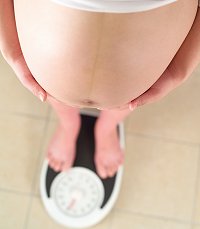
pregnant momResearcher from the University of Auckland conducted a study in which they fed pregnant rats two different diets and continued the feedings though lactation.  One group received a high-fat diet while the other group received a regular diet.  After the babies were weaned from their mothers, they also consumed a high-fat or regular diet.

The researchers noticed those rats whose mothers consumed a high-fat diet had a much earlier onset of puberty, despite the diet the babies ate.  Also, babies that ate a high-fat diet had an early puberty (even if their mothers ate a regular diet). Deborah Sloboda, lead author of the study, concluded with “This might suggest that the fetal environment in high-fat fed mothers plays a greater role in determining pubertal onset than childhood nutrition”.

Easily said, a high-fat diet may be linked to early puberty.  A diet high in fat is linked to numerous health complications, but knowing this information is very important for expecting mothers.  The truth is you are making decisions about yours and your baby’s health.  While pregnant and lactating, it is imperative to provide your child with the best and healthiest food choices.  For specifics, consult a Registered Dietitian (RD) in your area or ask your physician for a RD that specializes in pregnancy and lactation nutrition.


graphic