




I find Russell Simmons fascinating from the perspective that he is a maverick in every sense of the word. He’s not just a successful business man, but he’s a legendary figure in the notoriously macho male world of hip hop, yet he’s a vegan, animal rights activist, and avid practitioner of yoga and Transcendental Meditation (TM).
It’s the vegan and animal right part of his lifestyle that has earned him the honor of PETA 2011 Person of the Year. He’s in good company, since last year the honor went to former President Bill Clinton for raising awareness about the health benefits of a vegan diet.
In a written statement, PETA says that Simmons earned the honor because “he tirelessly advocates for animals and sets a positive example for others by promoting a vegan lifestyle.”
Simmons is known for spreading the word on how his philosophy of compassion and his vegan diet has made his life better for it. You can’t accuse him of mincing his words:
“The horrible abuse of animals is the worst karmic disaster in the history of human kind,” said Simmons. “The work that PETA does to combat this catastrophe is amazing. I’m truly humbled to be chosen as this year’s Person of the Year but the praise should go to the hundreds of thousands of volunteers that are on the ground doing the work. I accept this honor on their behalf.”
Read Full Post >

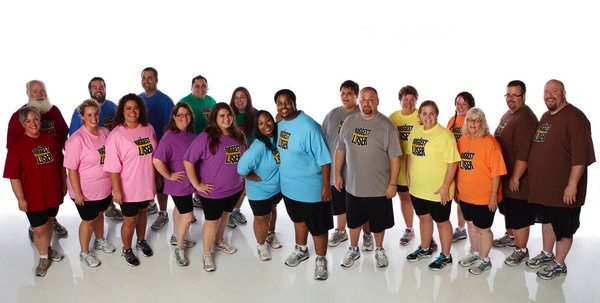
Fresh on the heels of John Rhode‘s amazing win in season 12 of the Biggest Loser, the show has announced details about season 13, which begins airing January 3.
When season 13 kicks off, contestants arrive at the Biggest Loser Ranch and receive some pretty shocking news: while they get there in teams of two, which includes a mother/daughter, father/son, brother/sister and husband/wife combination, they will be split from their loved ones and will have to compete against them!
Dubbed the season of “No Excuses,” the competitors are taken out of their comfort zone to face both physical and mental challenges like they never have before in their lives. Not to mention, one team won’t even make it on the ranch.
Read Full Post >
Why do runners do it? What makes them take a perfectly good day and decide to take an hour to run when you can get great health benefits from walking as well? There must be some reason they do it? There are actually many reasons, here are a few, including some that are a little less known:
Heart Health
The best known benefit to running is the cardiovascular boost runners get. Part of how it improves cardio health is that running lowers your blood pressure and helps maintain elasticity in your arteries. Since heart disease is the leading cause of death in the United States, do you need any other reason to go buy those new running shoes?
Read Full Post >
Low-calorie diets have almost always shined bright in research studies, with favorable results for participants. When you start talking about extremely low-calorie diets, some new findings may surprise you.
Most dietitians do not recommend severely restricted calorie intake. So when you see a study that says their diabetic subjects saw improved heart function while on a 500-calorie-a-day regimen, it’s sure to raise eyebrows.
It should be noted upfront that the findings are not an endorsement of long-term extreme calorie restriction. Their positive findings were solely based on a short-term dietary change.
“Our results show that 16 weeks of caloric restriction improved heart function in these patients,” said lead author Dr. Sebastiaan Hammer, of Leiden University Medical Center in the Netherlands. “More importantly, despite regain of weight, these beneficial cardiovascular effects were persistent over the long-term.”
Read Full Post >
The plight of childhood obesity is well-known. The cost to the young people afflicted and to society as a whole is immeasurable, which makes the idea of child nutrition-specific training for health professionals all the more poignant.
The National Exercise & Sports Trainers Association (NESTA) offers an online, self-paced Kids Nutrition Specialist program. In some ways, nutritionists need to have special skills when it comes to children’s nutrition. Teaching kids their nutritional needs must be presented in a way that will engage their youthful minds, but is also appropriate for their special physiological needs. The health professional also needs to work with parents to make sure they approve of the methods.
Read Full Post >