Diets in Review - Find the Right Diet for You

Author Archive


7 Sneaky Foods for Heart Health

Written by Nicole German, RD for Diet-Blog.com

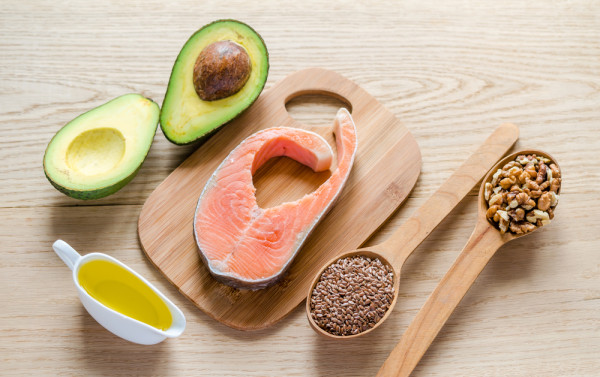
When you think about heart healthy foods, what comes to mind? Nuts, salmon, olive oil, and whole grains are the well-known foods for heart health. But, what about those lesser known foods that keep the heart pumping strong?

Dried Fruits: Some dried fruits like prunes contain a cocktail of phenol antioxidants that work together to prevent cell damage. An added bonus is that dried fruits contain good sources of fiber which can help to lower cholesterol levels and protect the heart.

Blueberries: We know blueberries as the anti-aging fruit—the fruit that will help keep the mind strong. Yet, blueberries protect the entire body. Studies show that eating at least one cup per day can improve cholesterol levels and lower triglycerides. Most interestingly, blueberries can actually improve the quality of the blood due to the combination of antioxidants they contain.

Grapes: Not a red wine drinker? Don’t worry; you can still get health benefits from eating the whole fruit. Grapes have a dual function: they are anti-inflammatory and have high antioxidant power. Grapes are most notable for their ability to lower blood pressure as they may help to dilate blood vessel walls and prevent cell build-up within the walls.
Read Full Post >


Fit in 5: Best 5 Stability Ball Exercises

Pamela Hernandez owns Thrive Personal Fitness in Springfield, MO where she focuses on weight training for weight loss. She writes a blog for her web site, www.thrivepersonalfitness.com, sharing vegetarian recipes from her kitchen, exercise strategies, lifestyle tips and stories from her own journey. You can also follow Pamela on Twitter @ThriveFit or pick up more tips on Facebook, www.facebook.com/thrivepersonalfitness.

Want to know my favorite piece of exercise equipment? I’ll give you a few hints.

It’s bouncy.
It’s round.
It’s filled with air.

You guessed it-the stability ball!

Sometimes called a fitness ball or a Swiss ball, a stability ball is an extremely versatile and inexpensive piece of exercise equipment. It can allow you to do a variety of exercises by subbing for a weight bench, by keeping you off the ground and your back if that causes you discomfort or by adding a new challenge to an old exercise by engaging more core and stabilizer muscles.

Most people are actually intimidated by the stability ball. That comes from not knowing what to do with it or seeing people doing really dumb things with it on YouTube. But most stability ball exercises are easy to learn. If you workout at home and your budget is limited, the stability ball should be the first piece of equipment you purchase. You will be able to get a great workout with just your own body and the ball. Add a pair of dumbbells and the possibilities are endless.


Read Full Post >


Saying “I Do” Can Cause Weight Gain

Brittany Mullins is the author of the blog Eating Bird Food, where she proves that living a healthy lifestyle doesn’t have to be boring or bland by sharing her recipes, fitness activities and tips. Having lost 20 pounds five years ago and kept it off since, she loves to inspire and motivate others by showing that small changes can create a big impact!

It has been proven that women tend to gain a considerable amount of weight after getting married. Being a woman who just recently got engaged, hearing stats like this is quite scary!

No one is certain why it happens, but some speculate that it may be due to a decrease in activity, indulging in rich meals together, eating the same amount as your man even though men naturally require more calories, eating “guy foods” like beer and pizza, skipping the gym to hang out with your honey, or even paying less attention to your weight because you’re no longer on the prowl.

Whatever the reason is, there are definitely ways to prevent it! Here are a few of my favorite tips that can help you stay on track as a newlywed:

Get physical. Stay active together by finding fun activities that you and your man enjoy! If that’s not possible, be sure to make time for yourself to stay active. My guy hates the gym, but I love it so I typically workout at the gym and he plays ultimate Frisbee, runs outside, or works in the yard.


Read Full Post >


Gluten-Free Dorm Room Survival Tips

by Shelby Kaho from Celiacs in the House

When I come home for the weekend, I try to cram in as much time with my friends as I can, but Saturday night and Sunday before I head back to school, I get down to business and cook for a solid few hours preparing gluten-free food to put in my dorm room mini-fridge freezer. The menu usually consists of fried rice with lots of veggies, grilled or baked chicken cut into small slices, sautéed asparagus, black beans, sweet and sour sauce to put on the chicken and/or steak, ravioli with sauce, steak cut into strips and sautéed, pizza, French toast, and chocolate chip cookies. I pack everything in quart sized freezer bags that I fill halfway, release the air and flatten the contents. This makes everything flat and stackable. It also makes it easier to break off single servings if the food is in a thin layer and cut up into small pieces.

I also stock up my fridge with corn tortillas for microwave quesadillas, shredded cheese (I put this on rice bowls, quesadillas, etc…), fruit cups, microwaveable sausages, lunch meat, fruit smoothies, and kefir. I also have several drawers full of the items that don’t need to be refrigerated. Some of my staples are microwaveable rice, gluten-free pretzels, chips, bread, fruit snacks, and beef jerky.

My strategy is to cover the basics like protein and carbohydrate so that I know I won’t go hungry and will always have what I need available to me. I also keep a collection of spices and sauces to make things less monotonous. My favorites to keep on hand are tamari, mayonnaise, hot sauce, ketchup, mustard, garlic powder and chipotle powder.


Read Full Post >


The Gluten Weight Gain Connection

Aimee E. Raupp is the author of Chill Out and Get Healthy– a no nonsense guide for women on improving their health now. As well she is a licensed acupuncturist and Chinese herbalist with a masters of science in Traditional Oriental Medicine. For more information visit AimeeRaupp.com.

Everyone’s talking about gluten these days. Is it just hype or are wheat and other gluten containing foods bad for us? The short answer is yes.

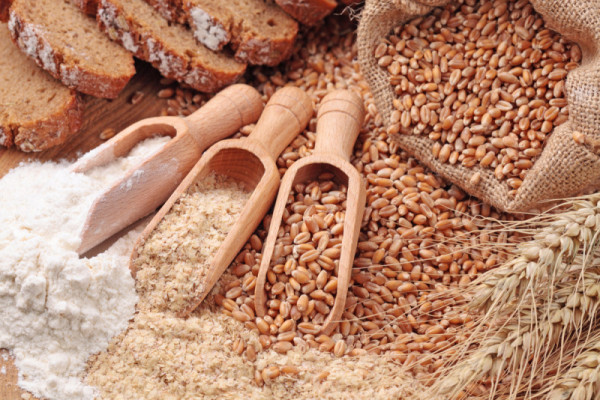
Let me explain. Gluten is a large, water-soluble protein that makes doughy things doughier. It is comprised of two proteins: gliadin and glutenin and is found in grains like wheat, rye and barely (click here for a concise list of gluten containing foods.) As well, since gluten is such a good thickener, these days we can find it in most packaged and processed foods and candy. Gluten has become a staple of the American diet and our health is suffering because of it.

“How?” You ask.

Gluten is a very inflammatory substance that is difficult to digest and causes damage to the walls of your intestines. When this damage occurs, your intestinal walls become leaky and are unable to carry out their expected task of digesting necessary nutrients and filtering out toxins and hence, toxins make their way back into your bloodstream causing an autoimmune reaction. This autoimmune reaction manifests differently in each person, but ultimately, it predisposes you to many diseases and often leaves you feeling unwell, bloated and fatigued.

When it comes to gluten reactions, there are people with Celiac disease and there are people with gluten intolerance. About 1% of the population has Celiac disease—a genetic condition of severe gluten intolerance and then there are the other 30-40% of the population who have a more mild form of gluten intolerance.

Read Full Post >