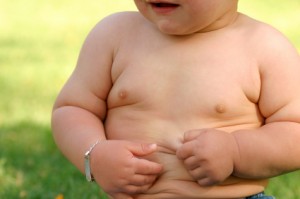
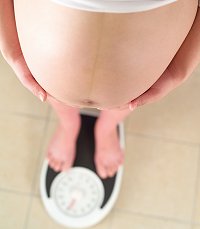
 Here at Dietsinreview.com, we dedicate a lot of time to providing information and tips to help you shape a healthier you. Keeping yourself healthy just got even more important with new evidence showing that for women who are pregnant, excess pregnancy weight can lead to childhood obesity. The findings show that bigger than average babies can be programmed to become overweight children, which further can lead to diabetes and heart disease.
The Institute of Medicine suggests that for healthy a pregnancy, women with the following BMIs, gain the corresponding amount of weight:
• Body Mass Index of 18.5 or lower, recommended weight gain: 28-40 pounds
• Body Mass Index of 18.6-24.9, recommended weight gain: 25-35 pounds
• Body Mass Index of 25-29.9, recommended weight gain: 25-25 pounds
• Body Mass Index of 30 or higher, recommended weight gain: 11-20 pounds
(Please note you should always consult with your doctor to find out the healthy range for you.)
There was also evidence to show that it was not just the weight gained during pregnancy that could lead to child obesity, but the weight you are before becoming pregnant. If a mother is overweight or obese before they become pregnant, their child is more likely to be obese, as well. It is alarming to learn that children can enter into the world with pre-determined health issues, but the good news is that by working to keep ourselves healthy, mother’s can have a direct impact on their families.
This holds true that the examples you set for your family today, by the foods you keep in-house and your active lifestyle, will shape the way the habits they form, too. If you need help on setting a good example, make sure to check-in with our Dietsinreview.com Chief Mom Carmen Stacier. She is a regular contributor, providing news and tips to help you improve and maintain your own health, and that of your family.
Below are links to some great tips for keeping kids healthy from DIR Chief Mom, Carmen:
How to Select a Healthy Peanut Butter
How to Pack a Healthy Lunch: Kid-Friendly Beverages
Grocery Store Shopping Tips