
Strange food mixtures, also referred to as food concocting, may be an indication of being a binge eater. That’s according to a new study from the University of Alabama at Birmingham.
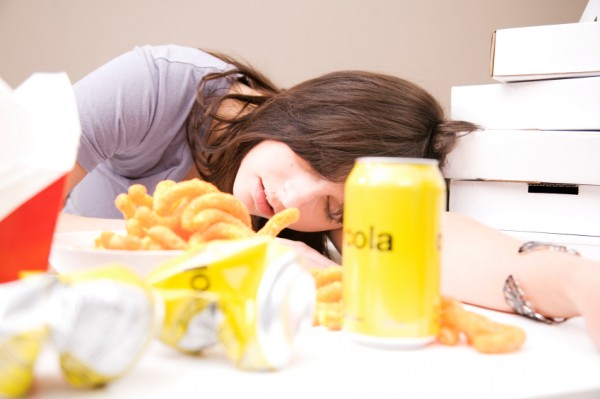
How do you define strange food mixtures? How about:
- Mashed potatoes and Oreo cookies
- Frozen vegetables mixed with mayonnaise
- Chips with lemon, pork rinds, Italian dressing and salt
The excitement comes in the preparation. In fact, they reported having the same emotions as drug users during the act, which was countered by shame and disgust after the fact.
“While they are food concocting and binge eating they report being excited, in a frenzy, and high, but afterwards they feel awful about themselves,” says Mary Boggiano, Ph.D., associate professor in the Department of Psychology and primary investigator of the study.
Boggiano believes that the actual number of binge eaters who participate in food concocting is higher than the study suggests.
“We found significant numbers in a non-clinical population,” said Boggiano. “If the same survey was given to people in a hospital, clinical or psychiatric setting, they would certainly report higher levels.”
So, the big question is, why do they do it? About 41 percent of the study’s concocters said they did it because of a craving. Just nine percent of them said that hunger was a motive.
The study was developed around the “famine hypothesis” which links concocting with calorie deprivation and documented accounts of similar behavior with victims of famine, wartime refugees and POWs.
The study included 507 students from UAB and the University of Texas at El Paso enrolled in psychology 101 classes, and 45 people seeking outpatient treatment for eating disorders in Cincinnati, Ohio.
It’s estimated that eight million Americans suffer from binge eating disorders. The researchers hope their study will shine a light on and create a better understanding of the behavior.
“Secrets can kill us,” said Boggiano. “The more secretive a patient is with aspects of an addiction or eating disorder, the worse off he or she will be because they will continue to engage in their secret, maladaptive behavior.”
Also Read:
Foodpairing Spawns Grilled Parmesan and Dark Chocolate Sandwiches
4 Healthier Ways to Satisfy Nagging Pregnancy Cravings
What Jillian Michaels Eats: 6 Recipes from Biggest Loser’s Star Trainer